

Cyprus Travelogue
Articles
Travelogues
View more from News & Articles or Primerus Weekly

By Tom Kirvan
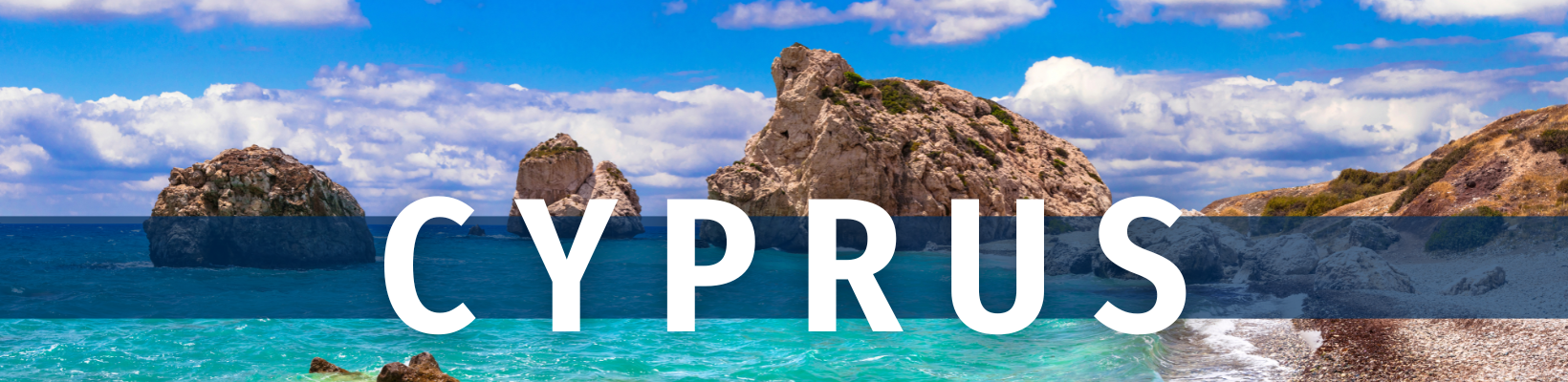
Set in the azure waters of the eastern Mediterranean, Cyprus is a sun-drenched island where myth and history intertwine, and every olive tree, beach cove, and ancient ruin tells a story. With a population of around 1.2 million people, Cyprus is the third-largest island in the Mediterranean Sea and one of its most diverse, both culturally and geographically.
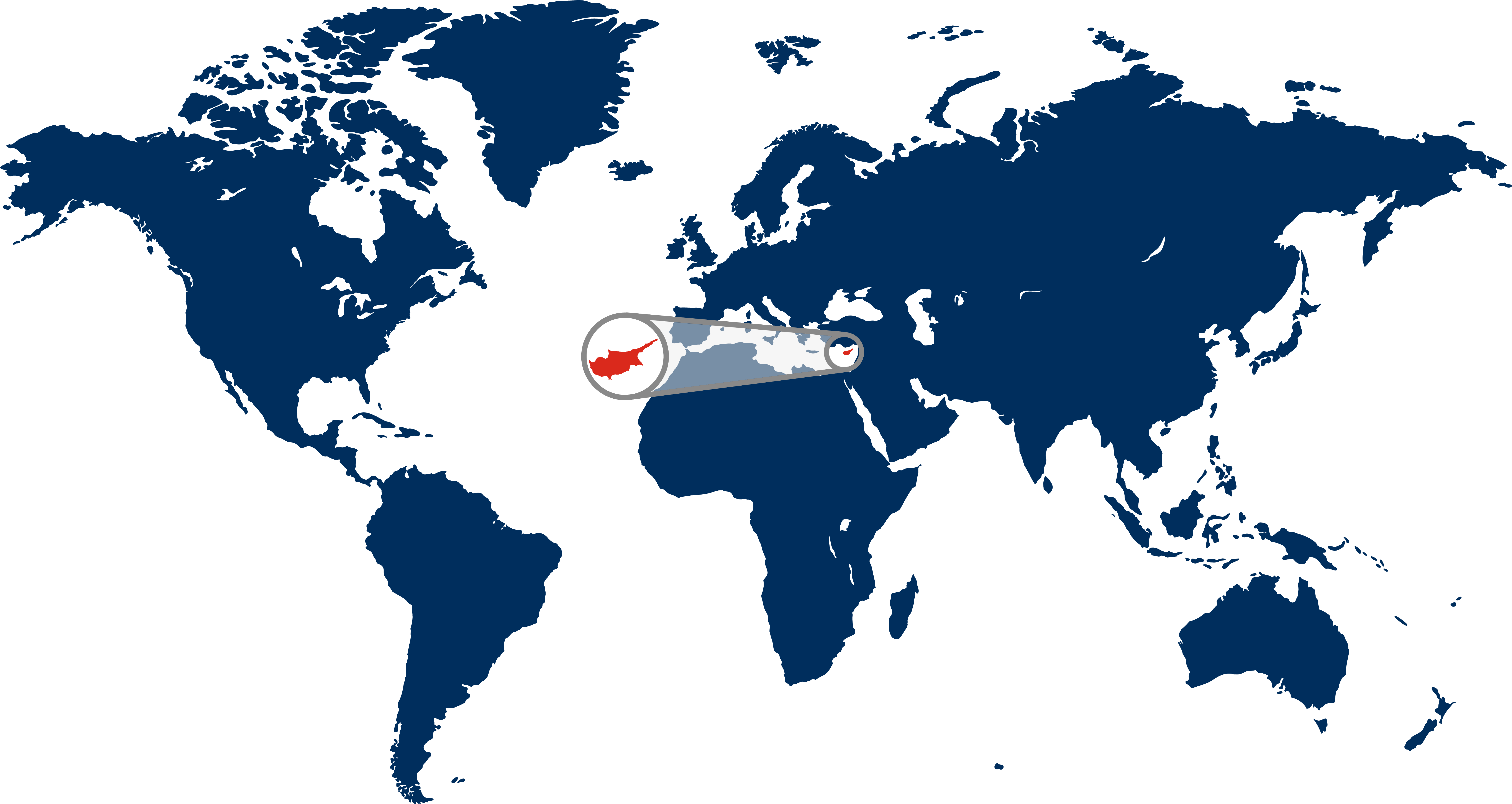
Cyprus is strategically located at the crossroads of Europe, Asia, and Africa, just south of Turkey, and west of Syria and Lebanon. This position has made it a cultural melting pot over thousands of years. The island is roughly 149 miles long and 62 miles wide, ringed by stunning coastlines and crowned by the Troodos Mountains in the interior.
The capital city, Nicosia, is located in the heart of the island. Unique among world capitals, Nicosia is divided between the Republic of Cyprus in the south and the Turkish Republic of Northern Cyprus (recognized only by Turkey) in the north. Despite the division, Nicosia offers a vibrant mix of old and new. Venetian walls encircle its Old Town, while cosmopolitan cafes, museums, and boutiques bring a modern flair. Strolling across the Ledra Street pedestriancrossing allows visitors to experience both sides of this intriguing city.
Dominating the Troodos range is Mount Olympus, the island’s highest point at 6,404 feet above sea level. In winter, it’s capped with snow and home to a small ski resort – an unusual sight in the Mediterranean. In summer, it becomes a haven for hikers, offering cool pine forests, Byzantine monasteries, and breathtaking panoramic views.
Cyprus boasts a history spanning 10,000 years, making it one of the oldest continuously inhabited places on Earth. It has been ruled by Mycenaean Greeks, Phoenicians, Egyptians, Persians, Romans, Byzantines, Crusaders, Venetians, Ottomans, and British, with each leaving behind layers of cultural and architectural heritage.
The island gained independence from British rule in 1960, but tensions between Greek and Turkish Cypriots escalated, leading to the division of the island in 1974. Today, Cyprus remains partitioned, though peaceful, with efforts ongoing to reunify the island.
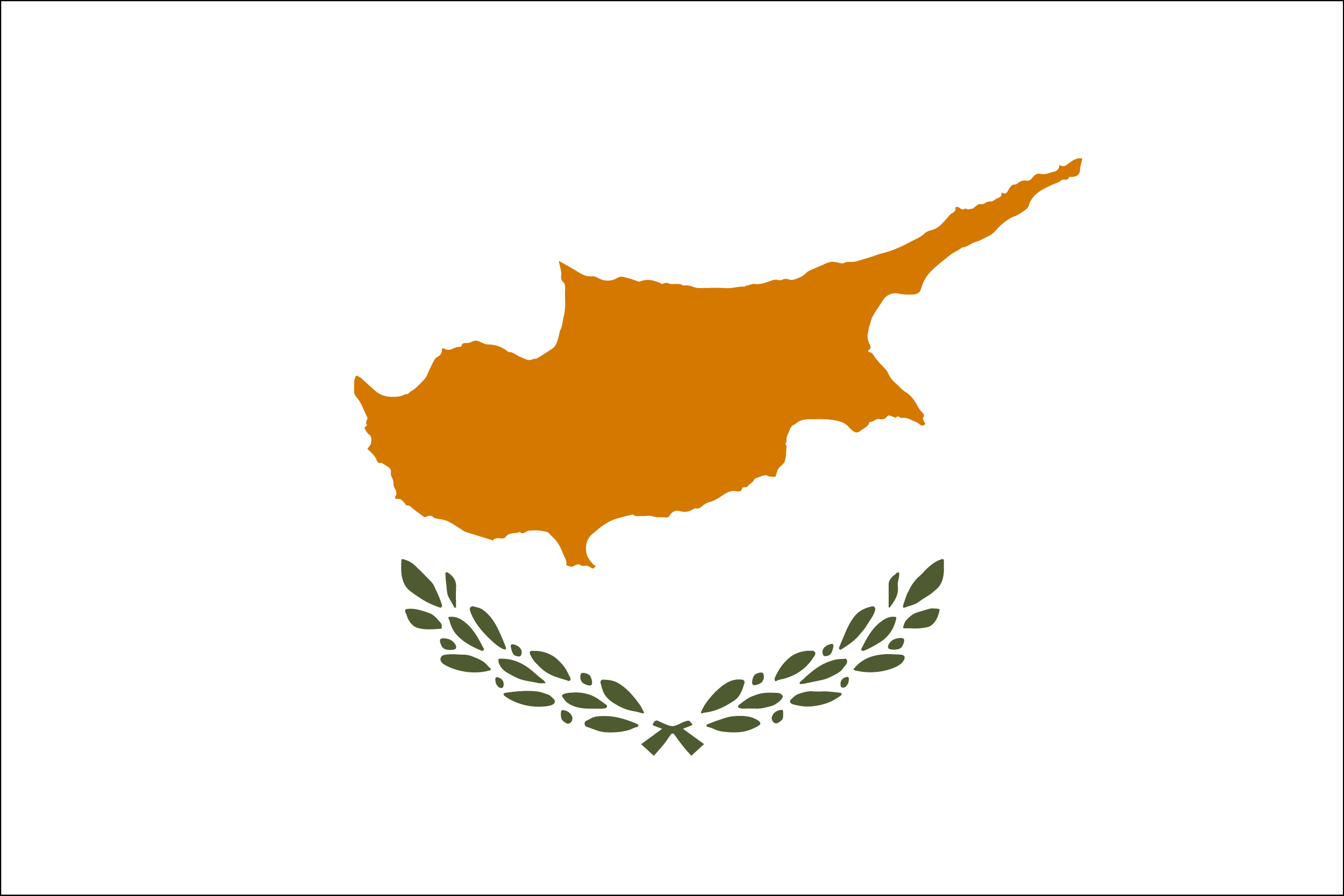
Capital: Nicosia
Population: 1.2 million
Languages: Greek and Turkish
Religions: Christianity and Islam
Primerus Member: AMG Mylonas & Associates, LLC
AMG Mylonas & Associates, LLC, a full-service law firm based in Limassol.
Five Must-See Destinations