

Tokushima City, Japan Travelogue
Articles
Travelogues
View more from News & Articles or Primerus Weekly

1 © julianne.hide / Shutterstock.com
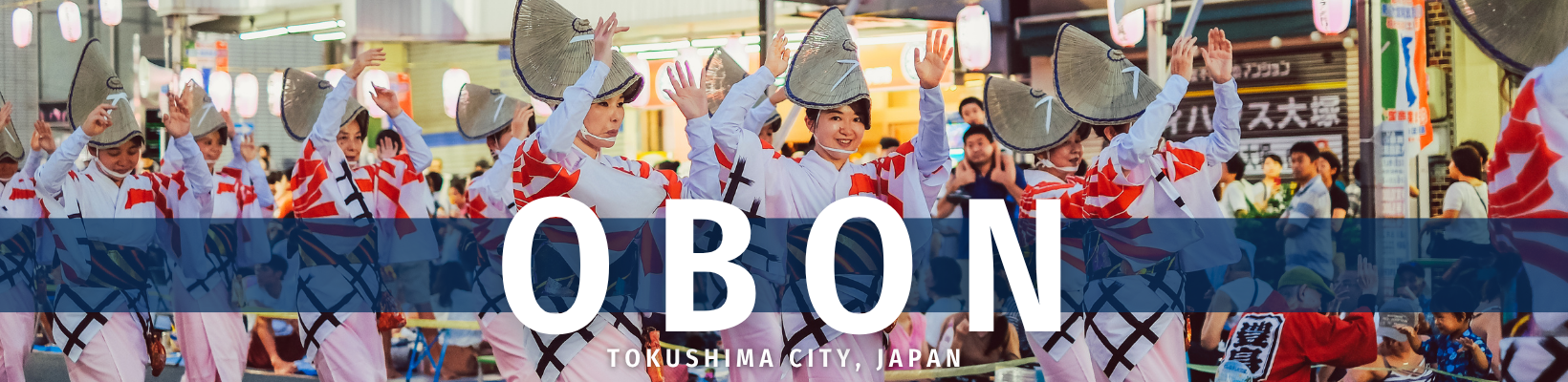
Tokushima City in mid-August is filled with families, tourists, dancers, and food vendors lining the town center, all drawn by one of Japan’s most beloved seasonal traditions: Obon.
Obon is not simply a festival. It is a homecoming. Across Japan, it is a time when families honor the spirits of their ancestors, clean graves, make offerings, light lanterns, and gather with relatives. In many parts of the country, Obon is observed around August 13 to 16, though some regions celebrate in July or according to older lunar-calendar traditions. The holiday has Buddhist roots and has been part of Japanese life for more than 500 years, blending religious remembrance with community celebration.

2 © Shawn.ccf / Shutterstock.com
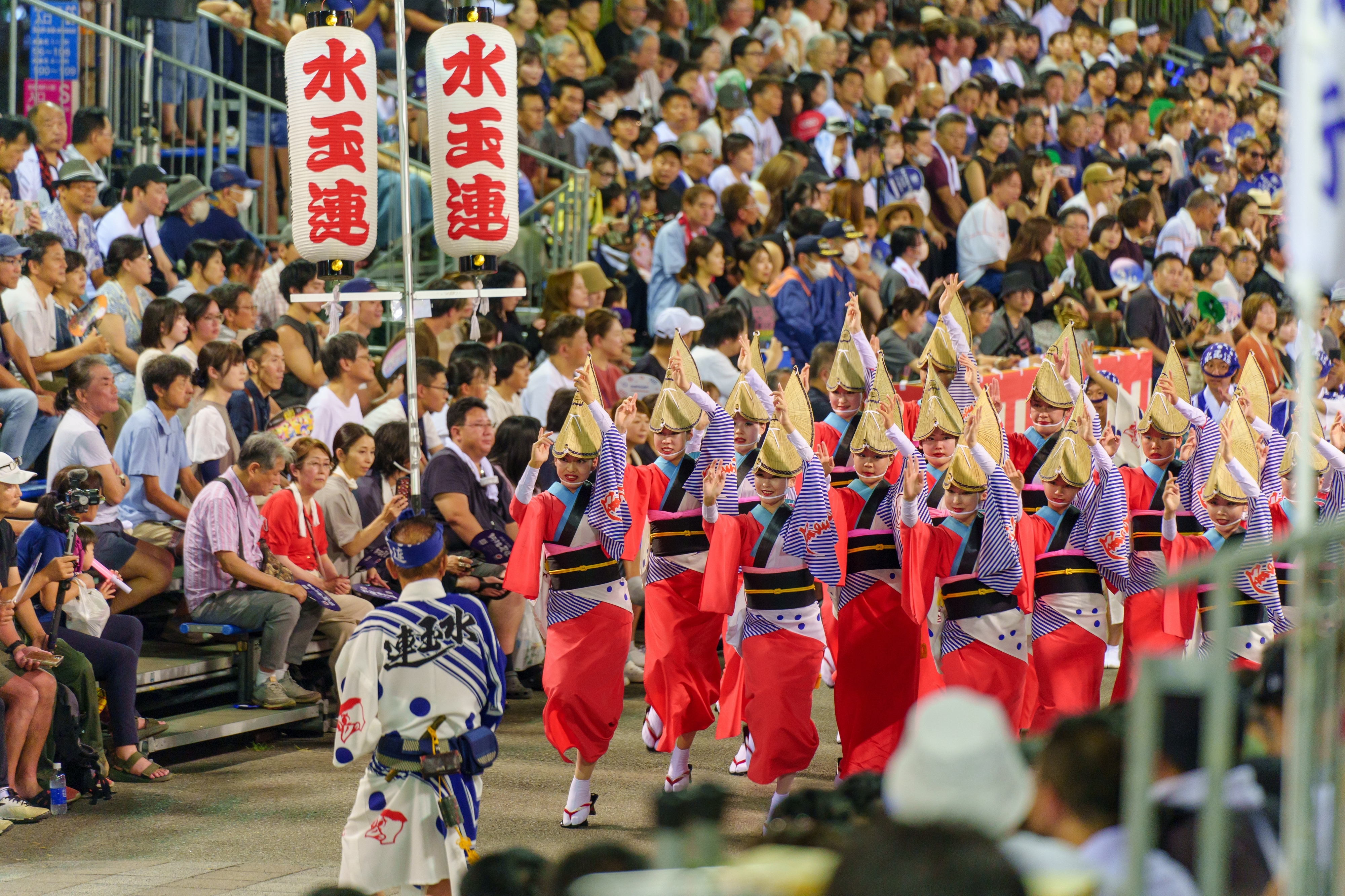
In Tokushima, on the island of Shikoku some 400 miles south of Tokyo, Obon reaches its most famous public form through Awa Odori, Japan’s best-known Bon dance festival. Awa was the old name for Tokushima, and odori means dance. The festival is held every August in central Tokushima City, with the city’s official site describing the event period as August 11-15 and noting that more than 1 million domestic and international visitors come each year.
The first impression is movement. Dancers parade through the streets in groups called ren, wearing straw hats, happi coats, yukata, and split-toed tabi shoes. Their arms rise and fall in graceful rhythm, their feet step forward in quick patterns, and the chant that gives the festival its playful spirit seems to belong to everyone.
The most popular attraction is the dancing itself. Professional and community dance troupes perform in paid seating areas and along open streets, while visitors crowd the sidewalks to watch. Music is everywhere: taiko drums, bells, flutes, and shamisen create a rhythm that feels both ancient and alive. Food stalls sell festival favorites such as yakitori, takoyaki, shaved ice, fried noodles, and local Tokushima specialties. The city also has the Awa Odori Kaikan, a year-round hall where visitors can learn about the dance even outside the August festival season.
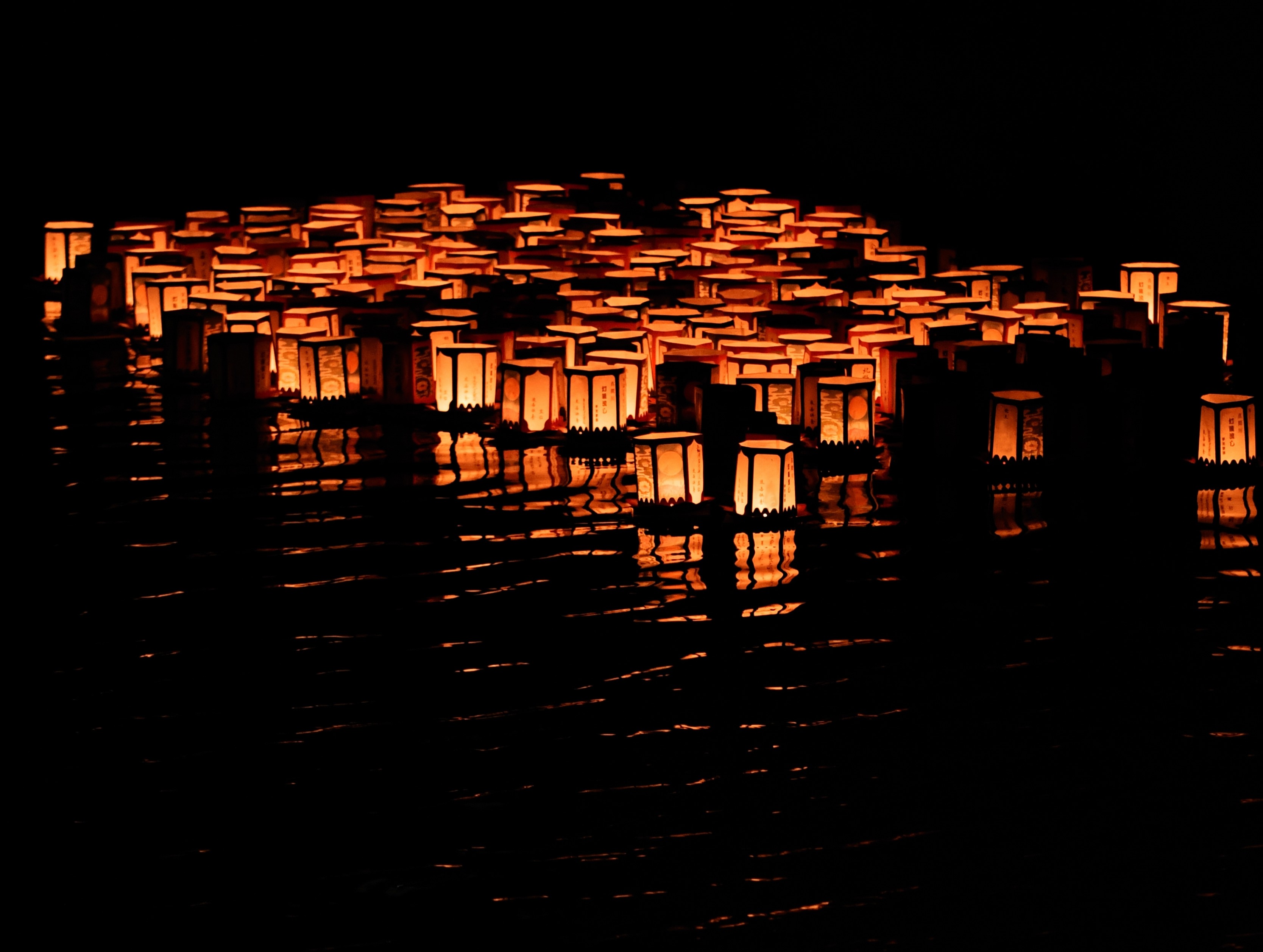
Yet the public celebration is only one part of Obon. Behind the music and dancing is a quieter meaning. Families light lanterns to welcome ancestral spirits home and, in some places, float lanterns on rivers or the sea to guide them back at the end of the holiday. Graves are cleaned, household altars are prepared, and meals are shared. The result is a festival that feels both joyful and reflective, a rare moment when remembrance and celebration stand side by side.

Primerus has a member law firm in Japan, GI&T Law Office, located in Chiyoda-ku, specializing in representing clients in domestic and cross-border dispute resolution, including litigation, arbitration, and mediation and advising on international licensing, promotion, development agreements, and more.
Tokushima City is the perfect host for such an event. It is the capital of Tokushima Prefecture, set near the mouth of the Yoshino River and surrounded by mountains, water, and the culture of the island of Shikoku. For most of the year, it is a manageable regional city. During Awa Odori, however, its center is transformed into a stage. Hotels fill, trains and buses grow crowded, restaurants serve late into the night, and local shops benefit from the sudden wave of visitors.
The economic impact is significant. Tokushima City published an analysis of the 2023 Awa Odori showing that, for just the two days studied, the event’s operating cost helped generate considerable economic benefits, particularly through lodging, dining, transportation, retail, rentals, security, and advertising.
What makes Obon in Tokushima memorable is not only the scale, though the crowds are remarkable. It is the feeling that the entire city is moving together. Children follow the steps of older dancers. Visitors clap along even when they do not know the rhythm. Lantern light softens the streets. The music repeats until it feels less like a performance than a heartbeat.
By the end of the night, Tokushima settles slowly. The dancers disappear down side streets, food stalls begin to close, and the last notes of the flute fade into the humid August air. Visitors leave with tired feet, full stomachs, and the sense that they have witnessed something deeply connected to Japanese life.
Image Credits:
Julianne Hide (2018 August 5). Tokyo, Japan – Japanese performers dancing during the Otsuka summer Awa-Odori event at the Obon festival (the traditional dance festival of Tokushima and is now enjoyed throughout Japan) [Photograph]. Shutterstock. Retrieved August 5, 2026 from Shutterstock.com
Shawn.ccf (2024 August 14). Tokushima, Japan – Tokushima Awa Odori Festival 2024. Performers wear traditional obon costumes, dance and sing in a formation as they parade through the outdoor stage at night [Photograph]. Shutterstock. Retrieved August 10, 2026 from Shutterstock.com