

Technology in Criminal Investigations: The Digital Revolution
Articles
Sidebar
View more from News & Articles or Primerus Weekly

By Jo Mathis
With all the cell phone data, GPS tracking, digital communications, and electronic footprints just waiting for even a mediocre prosecutor to exploit, it’s almost tempting to pity the criminal who expects to get away with anything today. Almost.
Criminal investigations in 2025 have been revolutionized by digital technology, transforming how law enforcement builds cases even when traditional evidence is scarce.
The 2023 trial of South Carolina attorney Alex Murdaugh, who was convicted of murdering his wife, Maggie, and son, Paul, is an excellent example of how digital forensics can provide crucial evidence that would have been impossible to collect just a few years ago.
In that case, prosecutors relied heavily on digital evidence because they lacked traditional proof of guilt. Murdaugh – an experienced attorney – made sure there were no eyewitnesses, nothing captured on camera, and no forensics tying him to the unthinkable crime.
What Murdaugh neglected to realize was that investigators would assemble a large collection of digital evidence, including data from multiple iPhones, call records, and location tracking.
Indeed, who can forget the sight of Alex Murdaugh sitting in that courtroom when prosecutors played the cell phone call made by his son that night, with the clearly audible voice of Alex Murdaugh in the background talking to his dog: “Oh, Bubba!”
This from a man who had sworn he wasn’t there at the dog kennel at 8:44 p.m. on June 7, 2021 when the murders happened.
Murdaugh could lie and spin and protest all he wanted – but there was no disputing that southern drawl on that cell phone recording, and it became a key piece of evidence.
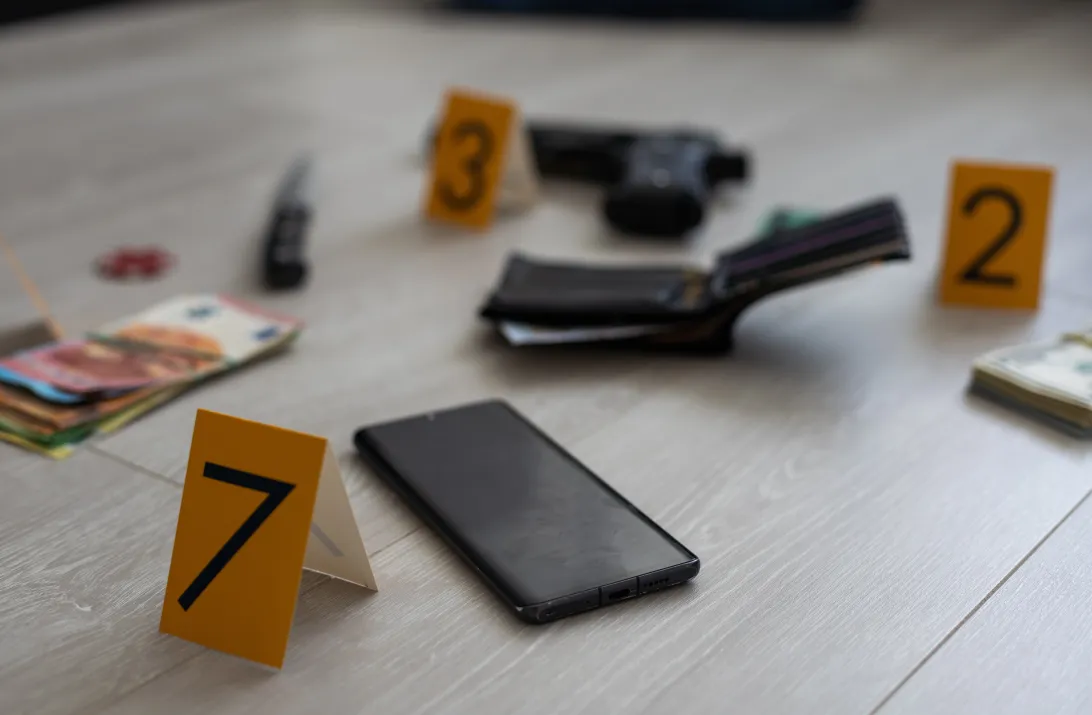
Investigators analyzed multiple data sources to create a clear and comprehensive picture of the defendant's activities that fateful night.
Without the digital evidence, would the jury have believed that a well-respected member of the community – a lawyer from a long-standing family of lawyers – could actually shoot to death his own wife and son?
Investigators representing both the defendant and the people today can access call logs, text messages, location data, internet browsing history, social media activity, and fitness tracker information. This creates ways to establish timelines, verify alibis, and identify inconsistencies in testimony.
But while digital evidence has become central to prosecutions, its interpretation is complex and sometimes contentious.
This was demonstrated during the Karen Read trial in Massachusetts, which ended in a mistrial last year and in a second trial that concluded on June 18 with the verdicts not guilty of second-degree murder or motor vehicle manslaughter but guilty of operating under the influence.
In this case, experts took the same digital evidence and came to different conclusions as to whether Read backed her Lexus into her boyfriend and left him to die in the snow, or whether he was beaten to death inside the house and dragged to his final resting place in the lawn.
Also, though prosecutors rightly insisted that mistakes by the police in no way meant Karen Read was innocent, her defense team pounced on one failing after another to try to suggest she was framed.
In the Murdaugh case, police failed to collect various physical evidence. Perhaps operating under the assumption that Alex Murdaugh couldn’t be the killer, could he? And family members were allowed to walk through the crime scene, because: nobody in this prominent family could be involved, could they?
Ultimately, the digital evidence prevailed, but these physical errors could have let a guilty man go free.
Both cases confirm that immediate, old-fashioned, diligent police work is still crucial, despite the digital evidence to come.
As time goes on, investigators will surely rely more and more on digital forensics, artificial intelligence analysis, and new (and newer) technology to catch and build cases against criminals. Collecting, preserving, and interpreting that data requires specialized expertise, advanced training and equipment, and adherence to legal and privacy standards and is a challenging order at a time when many law enforcement budgets have been tightened.
In this new era in criminal justice, we lawyers should make sure we are up to the challenges. That way, we can continue to use these valuable digital tools for the benefit of society and our clients.
