

Mississippi Travelogue
Articles
Travelogues
View more from News & Articles or Primerus Weekly


By Tom Kirvan
Cradled by the mighty river that shares its name, Mississippi is a state rich in history, culture, and Southern hospitality.
Known as the Magnolia State, Mississippi blends antebellum charm, blues music roots, and scenic landscapes into a special travel experience. With a population of about 2.9 million people, the state may be small in numbers, but it overflows with hidden gems waiting to be explored.
Located in what has long been known as the “Deep South,” Mississippi is bordered by Tennessee to the north, Alabama to the east, the Gulf of Mexico to the south, and Louisiana and Arkansas to the west, with the Mississippi River forming much of its western boundary. The state features rolling hills, pine forests, fertile plains, and lowlands, with a warm, humid climate that supports a lush, green landscape.
The state capital is Jackson, located near the center of Mississippi. Jackson is the political and cultural hub of the state, home to the Mississippi State Capitol, civil rights landmarks, and a growing arts and food scene. Nicknamed the “City with Soul,” Jackson lives up to its name with a powerful history and lasting musical legacy.
Though not soaring in altitude, Mississippi’s highest point is Woodall Mountain, located in Tishomingo County near the northeastern border. Standing at 806 feetabove sea level, the summit offers peaceful views of the surrounding countryside. A small marker and sign commemorate the peak, which played a strategic role during the Civil War’s Battle of Iuka in 1862.
Mississippi’s history is complex and deeply intertwined with America’s own story. Originally inhabited by Choctaw, Chickasaw, and Natchez tribes, the region was colonized by the French in the 17th century and later became part of the United States in 1817.
As a major cotton-producing state, in its early days, Mississippi was heavily dependent on enslaved labor, and its economy, politics, and society were shaped by this legacy. The state joined the Confederacy during the Civil War and was the site of significant battles and Reconstruction struggles.
In the 20th century, Mississippi became a flashpoint for the Civil Rights Movement. Events like the murder of Emmett Till, the Freedom Summer of 1964, and the assassination of NAACP activist Medgar Evers in Jackson galvanized national support for civil rights legislation.
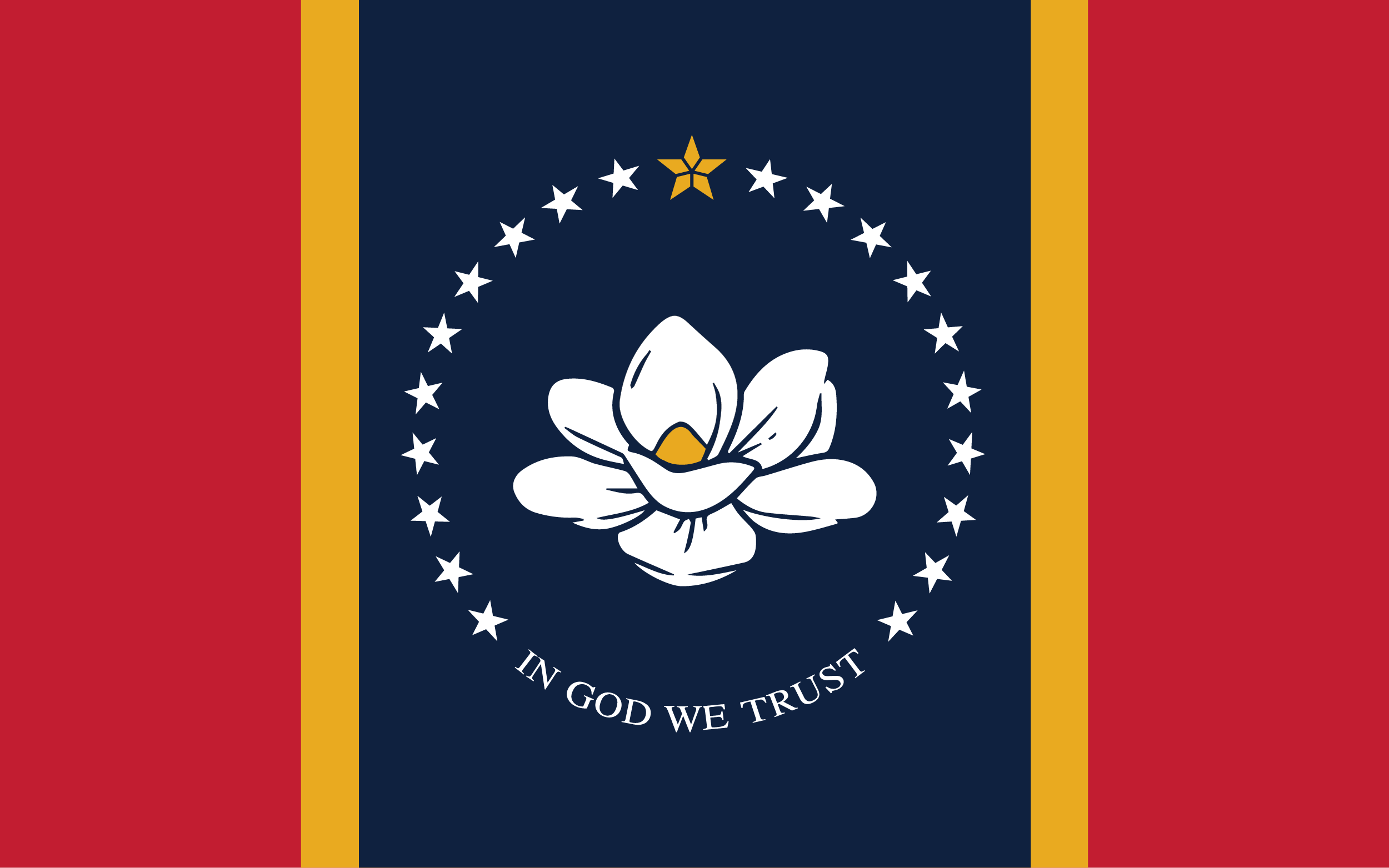

Capital: Jackson
Population: 2.9 million
Highest Point: Woodall Mountain (806 feet)
Trivia: Root beer was invented in Biloxi by Edward Barq Sr. in 1898.
Primerus Member: Young Wells Williams P.A.
Young Wells Williams P.A., a full-service law firm based in Ridgeland.
Despite its painful past, Mississippi has also contributed immeasurably to American culture, especially through music, giving birth to the blues, rock ’n’ roll, gospel, and shaping country music traditions.
Five Must-See Destinations