

Lebanon Travelogue
Articles
Travelogues
View more from News & Articles or Primerus Weekly

By Tom Kirvan
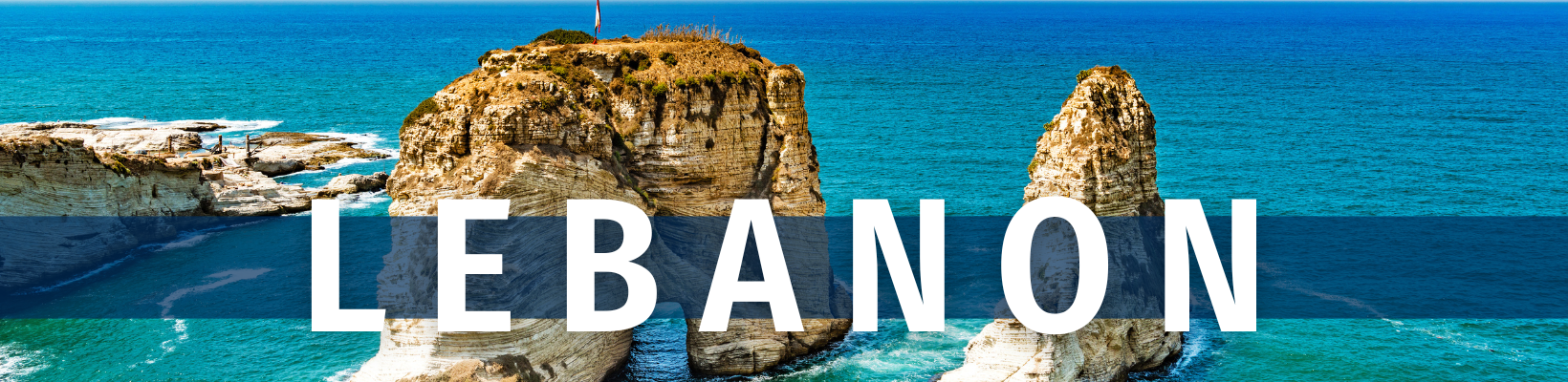
Nestled along the eastern edge of the Mediterranean Sea, Lebanon is a land of captivating contrasts. Towering mountains rise from coastal plains, ancient ruins share space with modern cafes, and traditions thrive alongside vibrant youth culture. Though small in size – just over 3,800 square miles – Lebanon boasts a remarkably rich blend of history, geography, and culture. With a population of approximately 6 million people, the Mideast country offers travelers an unforgettable journey through time and terrain.
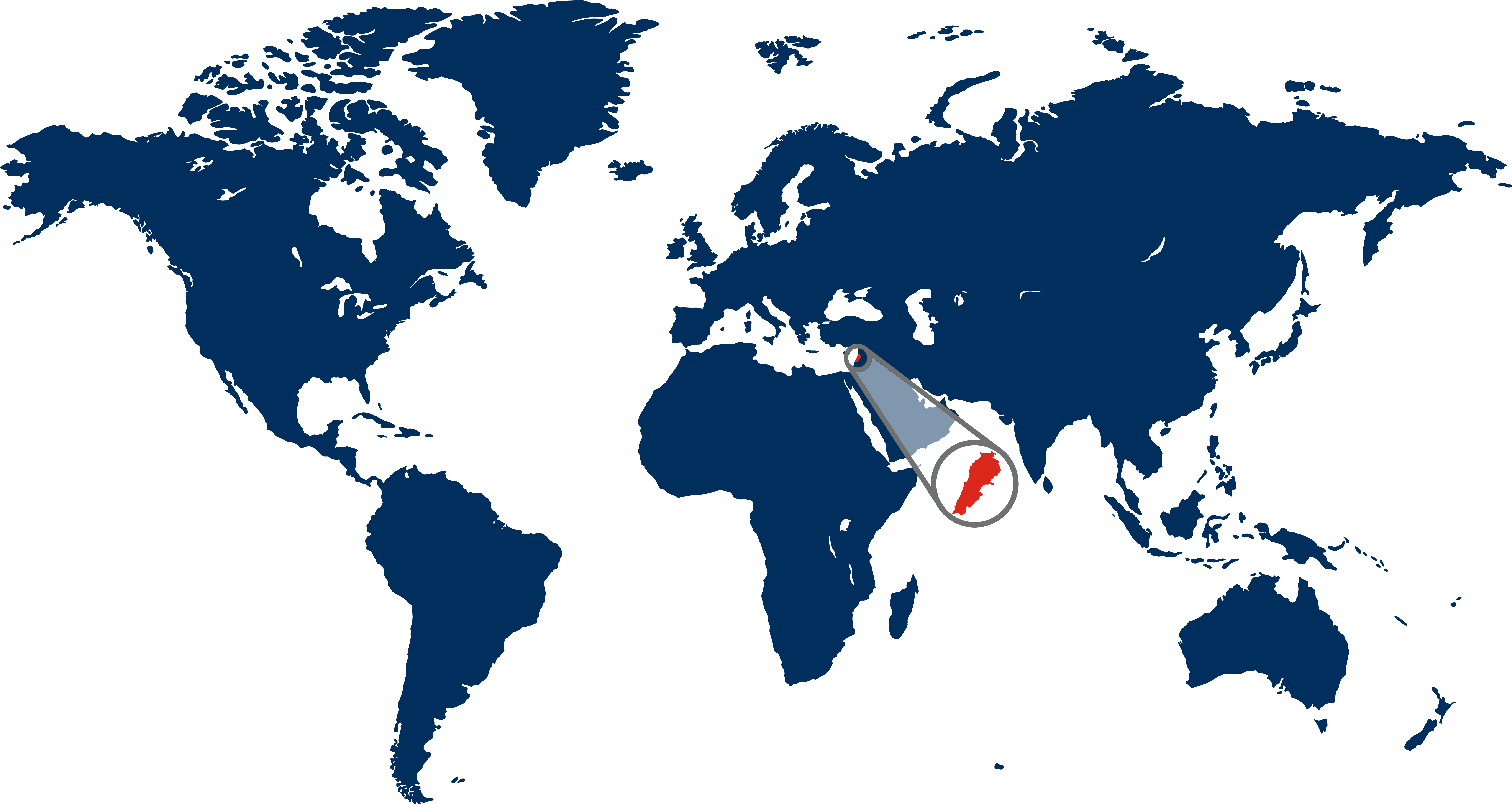
Lebanon is bordered by Syria to the north and east, Israel to the south, and the Mediterranean Sea to the west. Its geography is dramatic and diverse. The country is defined by two parallel mountain ranges – the Lebanon Mountains in the west and the Anti-Lebanon Mountains in the east – separated by the fertile Bekaa Valley, which serves as Lebanon’s agricultural heartland. From snowcapped peaks to sunny beaches, Lebanon’s compact size allows travelers to ski in the morning and swim in the sea by afternoon.
The capital city, Beirut, lies on the Mediterranean coast and is often referred to as the “Paris of the Middle East.” A city of art, intellect, and nightlife, Beirut combines ancient ruins and Ottoman-era buildings with a cosmopolitan energy. Despite periods of conflict and hardship, the city remains the cultural and economic pulse of the country, and serves as home to universities, museums, trendy cafes, and a resilient spirit that pulses through every street.
The highest peak in Lebanon is Qurnat as Sawda’, reaching an elevation of 10,131 feet above sea level. Located in the Mount Lebanon range, it’s part of the Horsh Ehden Nature Reserve and offers spectacular hiking and skiing opportunities. In winter, the nearby Cedars of God area turns into a snow-covered wonderland, while summer brings cool breezes and panoramic views across the country.
Lebanon’s history stretches back more than 7,000 years, shaped by the Phoenicians, Romans, Byzantines, Arabs, Crusaders, and Ottomans. The Phoenicians, seafaring traders who flourished along the Mediterranean, founded some of the world’s earliest ports and helped spread the alphabet across ancient civilizations.
In the 20th century, Lebanon gained independence from France in 1943, becoming a republic known for its religious diversity and political complexity. Beirut was a beacon of culture and finance in the Arab world until the outbreak of civil war in 1975. The country has faced ongoing challenges since, including military conflicts, economic crises, and the devastating Beirut port explosion in 2020.
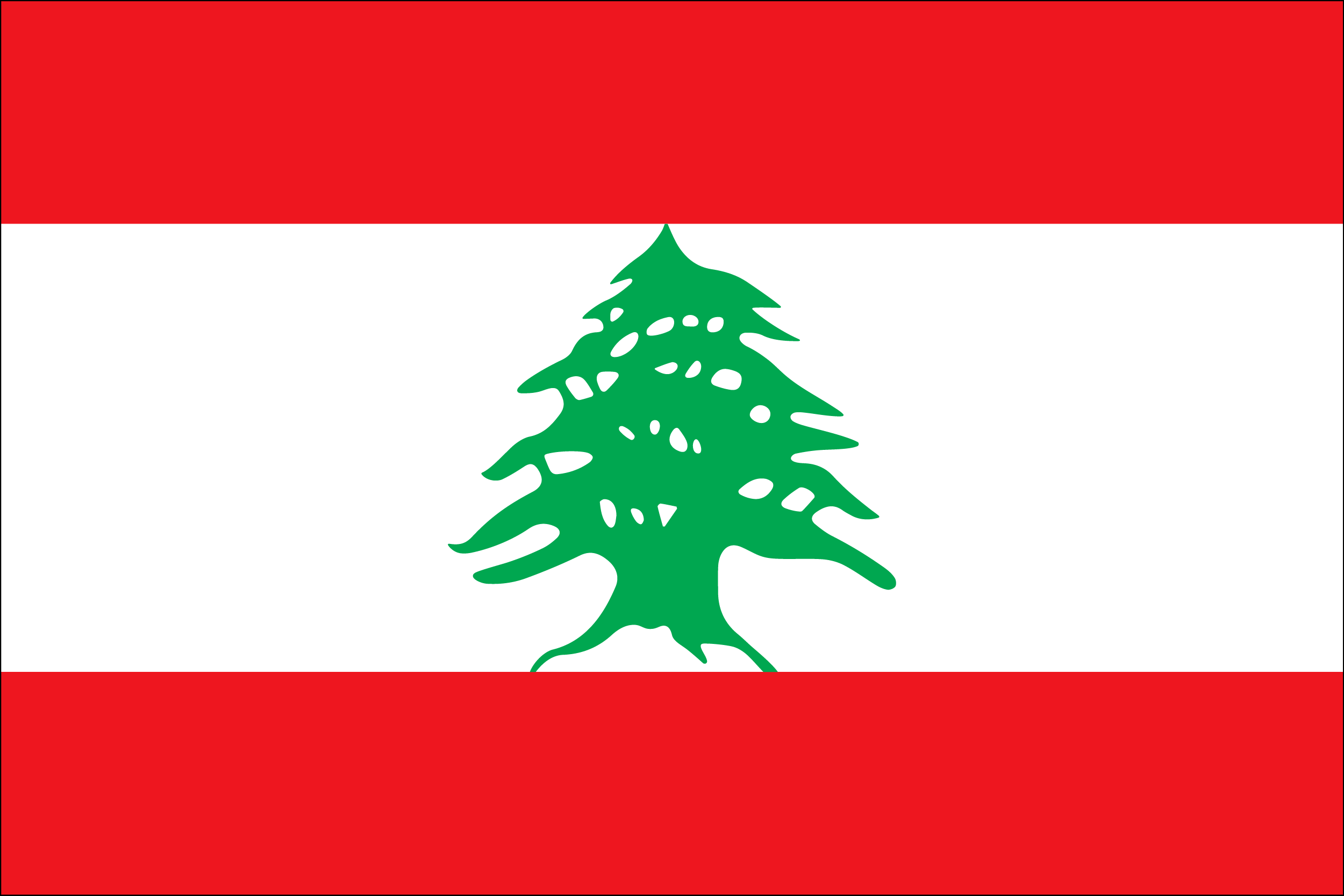
Capital: Beirut
Population: 6 million
Highest Point: Qurnat as Sawda’ (10,131 feet)
Languages: Arabic, French, and English
Primerus Member: SAAS Lawyers
SAAS Lawyers, a business law firm located in Beirut.
Five Must-See Destinations