

India's Diwali Travelogue
Articles
Travelogues
View more from News & Articles or Primerus Weekly
By Tom Kirvan
Diwali, the Festival of Lights, is India’s most significant and spectacular celebration, symbolizing the spiritual victory of light over darkness, knowledge over ignorance, and good over evil. This year, the five-day festival runs from Friday, Nov. 6 through Tuesday, Nov. 10.
Observed by millions of Hindus, Sikhs, Jains, and Buddhists worldwide, the festival transforms the Indian subcontinent into a luminous blend of flickering clay lamps (diyas), vibrant street markets, and spectacular fireworks. Beyond its deep religious roots, Diwali is a multi-faceted phenomenon that shapes India’s economy, defines its seasonal geography, and showcases the country's rich cultural diversity.
Diwali’s origins are tied to ancient agrarian harvest festivals, but its mythological narrative varies beautifully across India's diverse regions. Despite these varied narratives, the core theme remains universal: the inevitable triumph of righteousness.
1 © Talukdar David / Shutterstock.com
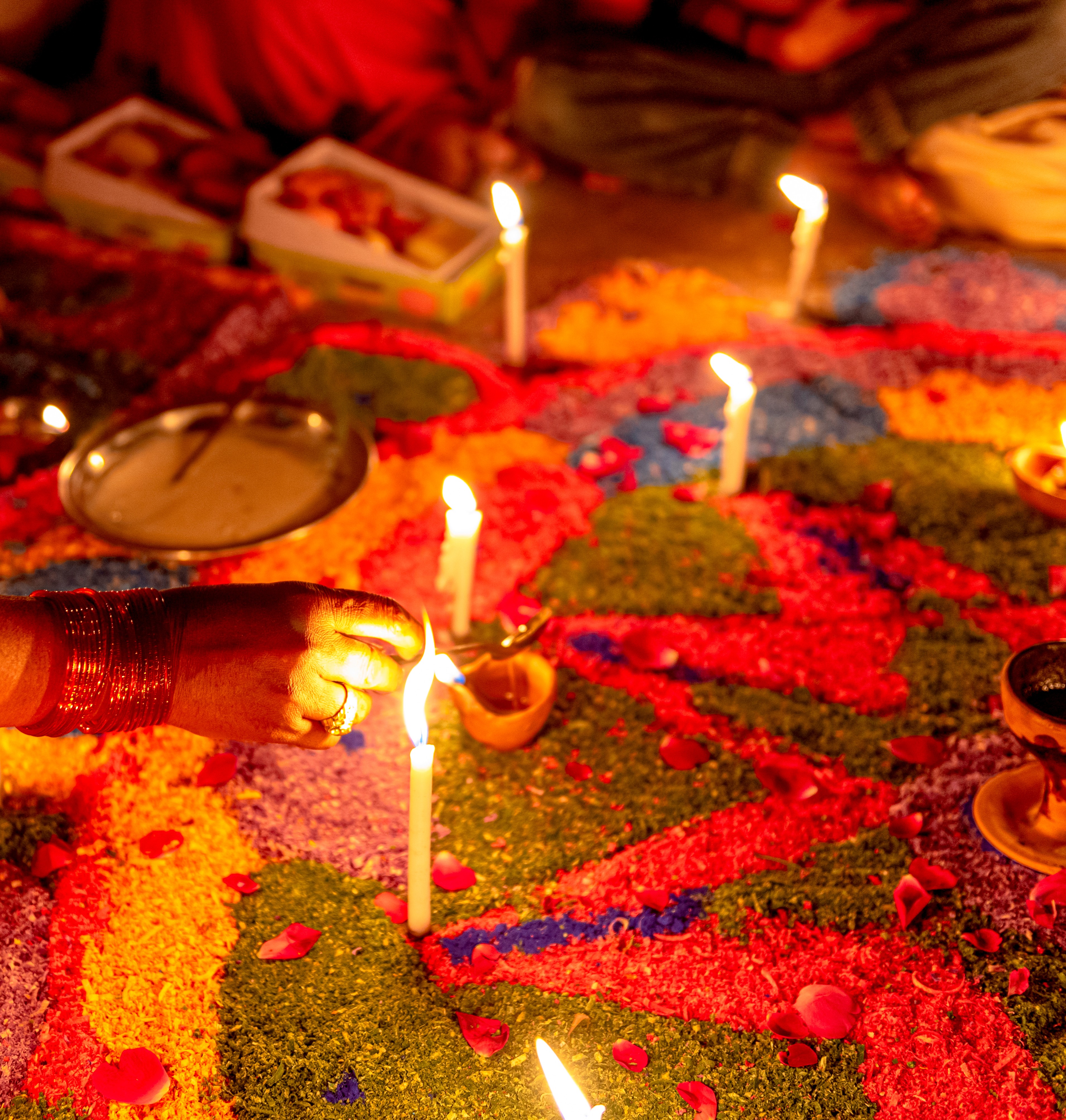
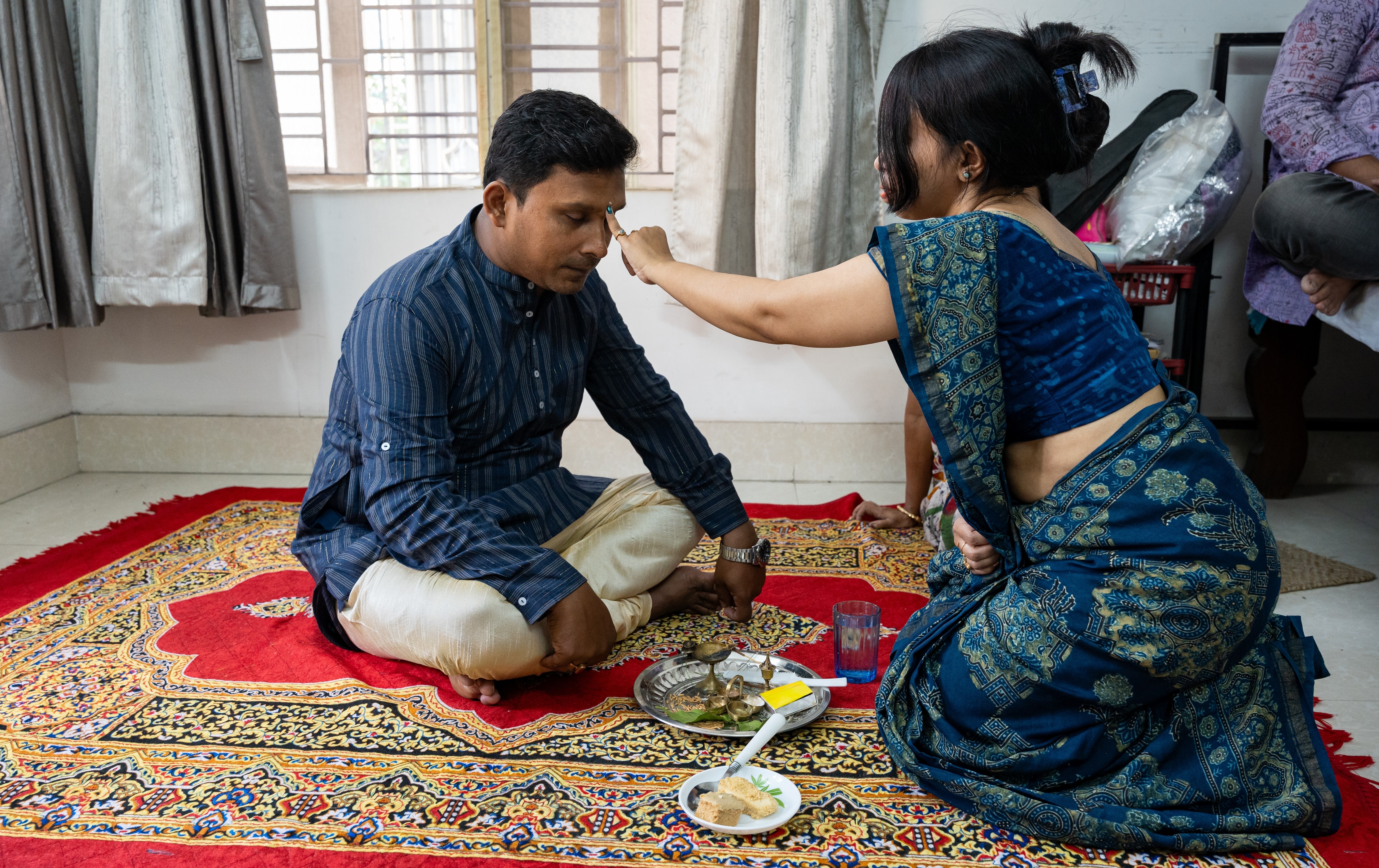
The festival spans five distinct days, each carrying its own ritual significance:
A unique cultural cornerstone of Diwali is Mithai (festive sweets). Millions of boxes of sweet treats are exchanged among families, friends, and business associates as tokens of love and goodwill.
Diwali takes place between mid-October and mid-November, precisely tracking with the Hindu lunar calendar month of Kartika. Geographically, this aligns with the transition from the humid monsoon season to the crisp, cooler autumn air.
The geography of the festival dictates its regional flavors. In coastal Goa, giant paper-effigies of the demon Narakasura are filled with firecrackers and burned at dawn. In Varanasi, the festival merges with the holy Ganges River, where thousands of floating lamps create a glittering galaxy on the water. However, the geographic convergence of autumn weather patterns, agricultural stubble burning, and heavy firecracker usage has increasingly sparked critical environmental dialogues, driving a modern shift toward eco-friendly, "green" Diwali celebrations.
2 © Abdul Munaff / Shutterstock.com
Economically, Diwali is the ultimate engine of India's retail and commercial sectors, akin to the Thanksgiving-to-Christmas shopping season in the West. It accounts for a massive share of annual consumer spending. Businesses offer their highest discounts of the year, driving unprecedented sales in electronics, automobiles, real estate, and apparel.
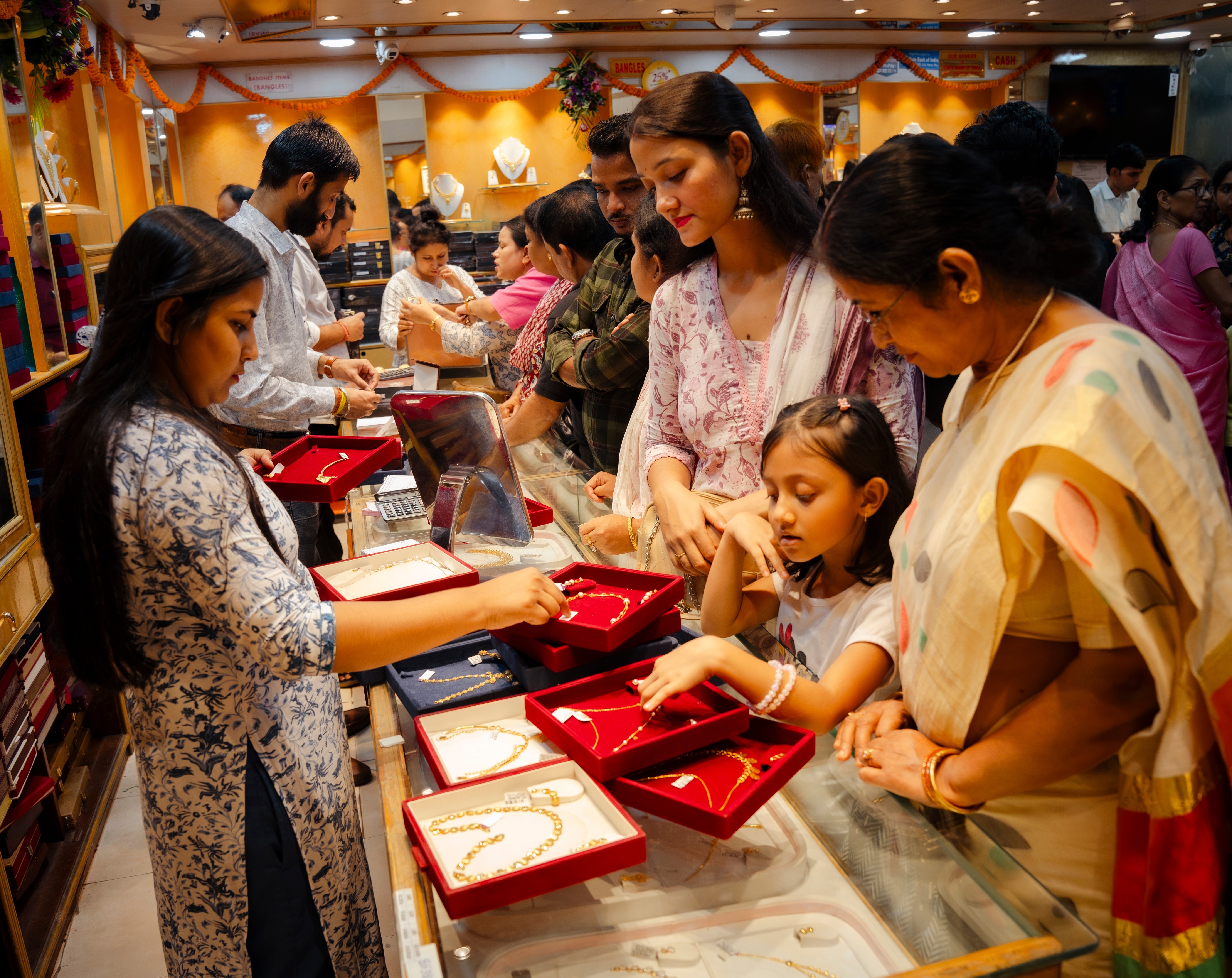
The jewelry industry experiences its sharpest surge due to Dhanteras, as India remains one of the world's largest consumers of gold. Beyond corporate retail, Diwali serves as a critical lifeline for millions of rural artisans, potters, and street vendors who manufacture hand-woven textiles, decorative lights, and millions of biodegradable clay diyas.
Primerus has a member law firm in India, Sarthak Advocates & Solicitors, located in New Delhi, specializing in energy; dispute resolution (litigation and arbitration); education and training; investments; mergers & acquisitions; insolvency and restructuring; ESG, data protection, and human rights; cross-border transactions across Asia, Europe, Africa, and the U.S.; regulatory advisory work for governments, regulators, and global institutions; and more.
Image Credits:
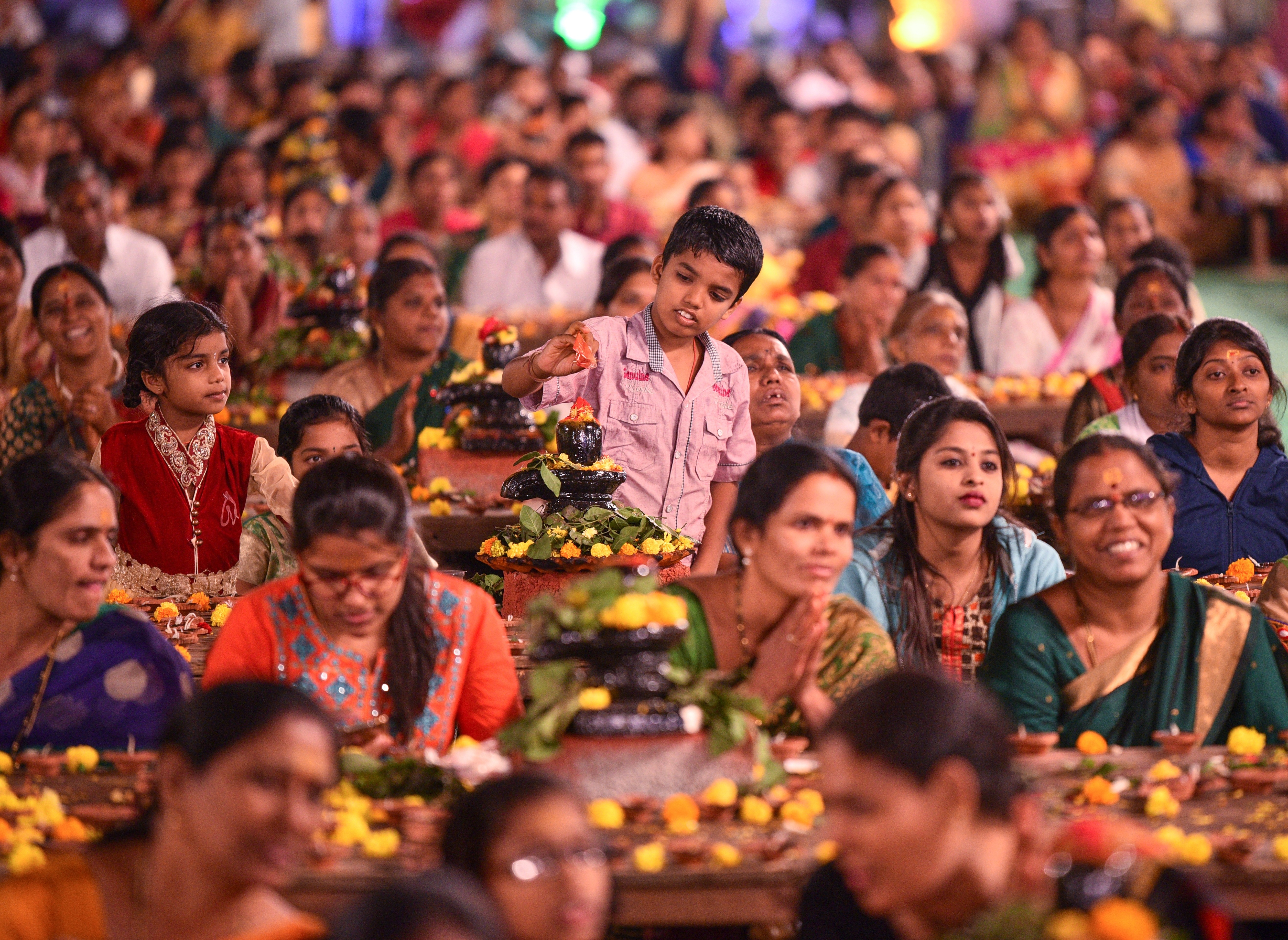
Abdul Munaff (2018 November 12). Hyderabad, Telangana, India – Hindu devotees of Hindu Deity Lord Shiva light up oil lamps during a mass pooja ceremony held during Diwali [Photograph]. Shutterstock. Retrieved November 2, 2026 from Shutterstock.com
Talukdar David (2024 October 29). People buy gold ornaments at a jewelry showroom during Dhanteras,, in Guwahati, India [Photograph]. Shutterstock. Retrieved November 2, 2026 from Shutterstock.com