Foreign Inventors Must Hire U.S. Patent Counsel
Articles
Sidebar
View more from News & Articles or Primerus Weekly

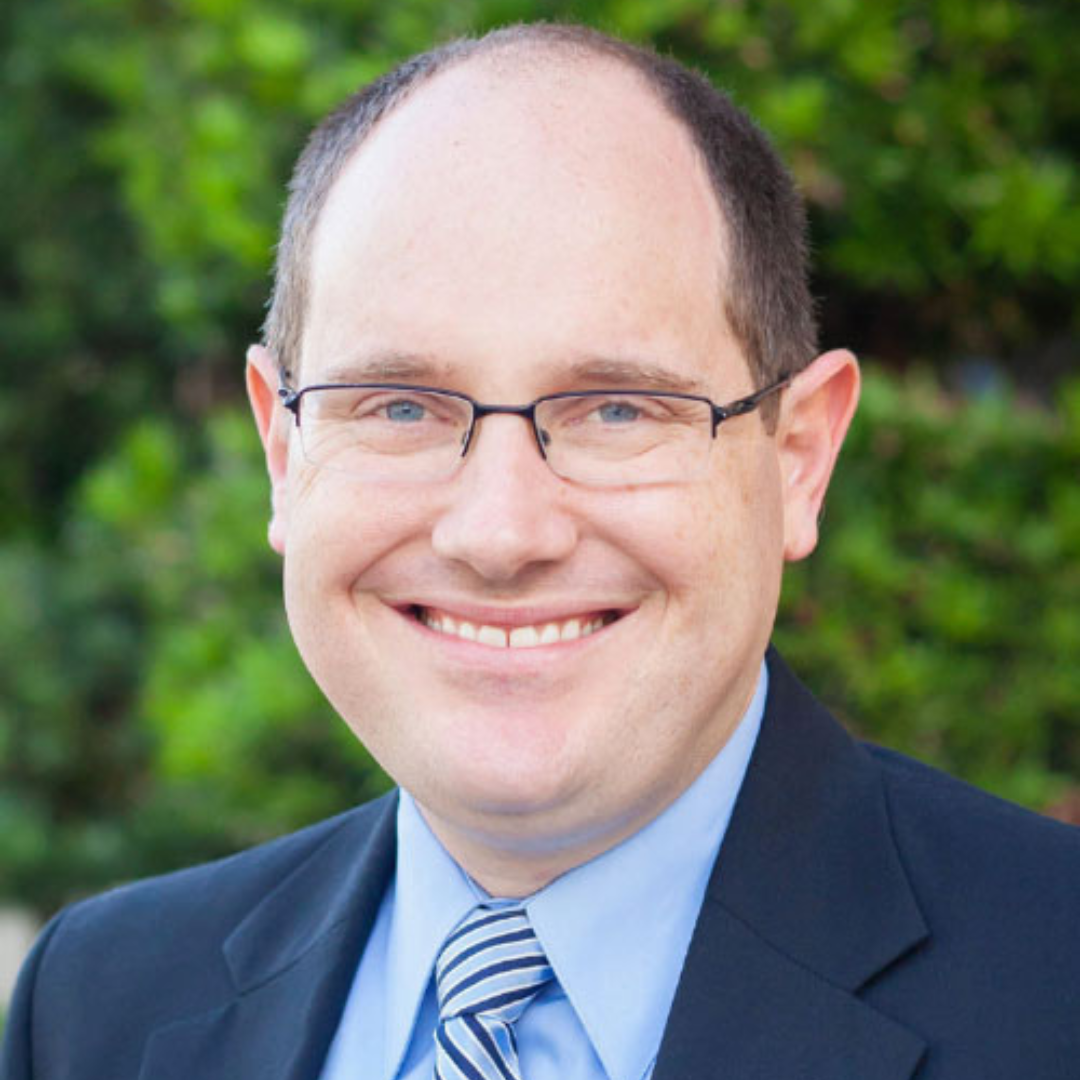
By Daniel Pierron, Registered Patent Attorney, Equity Partner at Widerman Malek, P.L.
If your patent application includes even one foreign-domiciled inventor, the USPTO requires you to have a registered U.S. patent practitioner.
A significant change has taken effect in U.S. patent practice, and if you are an inventor or company located outside the United States, it affects you directly. On March 20, 2026, the U.S. Patent and Trademark Office (USPTO) published a final rule – formally documented in the Federal Register as [Docket No. PTO-P-2023-0041] – requiring all foreign-domiciled patent applicants and patent owners to be represented by a registered U.S. patent practitioner. The rule took effect on July 20, 2026, 120 days after publication.
If you currently file or manage U.S. patent applications without a U.S. attorney or agent, you should take steps to comply with the rule and avoid delays or rejected filings.
Previously, a foreign inventor could file and prosecute a U.S. patent application entirely on their own, what practitioners call filing “pro se.” That is no longer permitted for covered foreign-domiciled applicants and patent owners.
Effective July 20, 2026, any foreign patent applicant or patent owner (meaning anyone whose permanent domicile is outside the United States) must retain a registered U.S. patent attorney or agent to handle their application. This applies to:
The practical effect is straightforward: the USPTO will not accept amendments, replies, information disclosure statements, petitions, or application data sheets unless they are signed by a registered patent practitioner. Papers submitted without the required signature will simply not be entered into the record.
The USPTO frames this change around two primary goals: global harmonization and fraud prevention.
Global harmonization: The United States has long been an outlier among major patent offices. The European Patent Office, Japan Patent Office, China National Intellectual Property Administration, and virtually every other significant IP office in the world already require foreign applicants to be represented by locally licensed counsel. U.S. patent practitioners face this requirement every time they help a U.S. client pursue protection abroad; they must engage foreign associates in each country. Yet foreign inventors have historically been able to skip that step when filing in the U.S. This rule ends that asymmetry and brings U.S. practice in line with the rest of the world.
Fraud and fee abuse: The USPTO is candid that a surge in fraudulent filings motivated this change. The Office has seen a notable increase in false micro entity certifications – claims that entitle applicants to roughly an 80% reduction in USPTO filing fees. When those certifications are fraudulent, they drain USPTO resources and let applicants jump ahead in examination queues unfairly. The problem with foreign pro se filers is structural: when an application is abandoned, the USPTO’s ability to investigate the original fraud largely evaporates. A registered patent practitioner, by contrast, remains subject to USPTO disciplinary rules even after a case closes, giving the Office an ongoing mechanism for accountability.
The data here tells an interesting story. In fiscal year 2022, the USPTO received roughly 297,000 patent applications from foreign applicants or owners, representing nearly 58% of all filings. (Source: USPTO’s Notice of Proposed Rulemaking (90 FR 60594, Docket No. PTO-P-2025-0008)) Of those, only about 1,217 were filed pro se, without a U.S. practitioner. The vast majority of foreign applicants are already represented.
So, in one sense, this rule’s immediate practical footprint is modest. The USPTO estimates that only around 1,102 foreign pro se small entities will be directly impacted.
But there is a subtler issue that deserves close attention: mixed-domicile inventorship teams.
If your startup or research team has even one co-founder or collaborator based outside the U.S., the entire application falls under the foreign representation requirement, regardless of how many U.S.-based inventors are also named.
If a startup has three co-founders, for example, two based in the U.S. and one in Germany, the German co-founder’s foreign domicile triggers the representation requirement for the entire application. The USPTO explicitly declined to create a mixed-domicile exception, and for a notable reason: doing so would create an incentive for applicants to manipulate inventorship by adding a U.S.-domiciled name to avoid the requirement. As a result, international founding teams, university collaborations, and multinational research partnerships must be aware that a single foreign-domiciled inventor on an application requires U.S. practitioner representation across the board.
One of the most technically consequential aspects of this rule is a distinction that is easy to miss: an application filed without a practitioner’s signature can still receive a filing date, but the consequences of that omission ripple forward in ways that can be very difficult to fix.
The Application Data Sheet (ADS) is the document through which an applicant establishes inventorship, claims priority to an earlier filing, and provides other critical bibliographic information. Under the new rule, if a foreign applicant files an ADS without a registered patent practitioner’s signature, the USPTO will treat that ADS as a mere transmittal letter. The result: inventorship is not established, and priority claims are not effective.
Depending on the timing, remedying this later may require petitions for delayed benefit or priority claims, and in some situations, it cannot be remedied at all. For example, a request that the application not be published, or a request for prioritized examination, must be submitted with the original filing. If those requests are rejected because no practitioner signed them, there is no path back.
The takeaway is simple: getting a filing date is not the finish line. Failing to have U.S. counsel in place from day one can quietly unravel rights that the applicant believed were secured.
It is equally important to be clear about what this rule does not affect, because some international clients may have concerns that go beyond the actual scope of the change.
If you are a foreign inventor, company, or patent owner with pending or planned U.S. patent matters, the steps are straightforward:
The USPTO’s new foreign representation requirement is a modest rule change with a small direct impact, but with meaningful consequences for those it touches, particularly foreign-domiciled inventors who have been handling their own U.S. filings and international teams that may not realize that having one foreign co-inventor changes the equation for the entire application.
Because the rule is already in effect, foreign-domiciled applicants and international teams should not wait to confirm whether U.S. practitioner representation is required. For applications already in prosecution, any future USPTO submissions may need to be handled through a registered patent practitioner.
If you have questions about how this rule affects your U.S. patent portfolio or an upcoming filing, please contact us to help you assess your situation and get the right representation in place.
From our home base in Melbourne, Florida, Widerman Malek has grown into a global intellectual property practice and full-service law firm serving clients across Florida, the United States, and around the world. For fellow Primerus member firms, our IP team is available to assist when your clients need U.S. patent counsel, trademark support, IP portfolio strategy, or guidance on cross-border intellectual property matters.
If questions arise from this new USPTO requirement, Dan Pierron and our patent team can help evaluate the issue and coordinate next steps.
Contact him at DPierron@USLegalTeam.com or +1 321.255.2332.
Daniel Pierron is a registered patent attorney and partner at Widerman Malek, P.L., where he focuses on U.S. and international patent prosecution, IP portfolio strategy, and technology commercialization. He is admitted to practice before the U.S. Patent and Trademark Office and has extensive experience representing foreign applicants, including inventors and companies from Europe, Asia, and Latin America, navigating U.S. patent requirements. Daniel regularly advises multinational founding teams, university research collaborators, and established corporations on cross-border IP strategy aligned across the USPTO, EPO, JPO, CNIPA, and the PCT system.
This article is provided for general informational purposes and does not constitute legal advice. For advice specific to your situation, please consult a qualified patent attorney.