Dubai, United Arab Emirates Travelogue
Articles
Travelogues
View more from News & Articles or Primerus Weekly

By Tom Kirvan
Dubai is a city that feels as though it has risen from the desert in a single bold gesture.
As visitors arrive by air, the first sight is the dramatic contrast of golden desert sand meeting a skyline of glass and steel. Though many people think of Dubai as a country, it is in fact one of the seven emirates that make up the United Arab Emirates (UAE), whose capital city is Abu Dhabi. The UAE has a population of roughly 10 million people, with Dubai itself home to more than 3 million residents – an extraordinary number considering its modest beginnings as a small fishing and pearling village a little more than a century ago.
Geographically, the UAE lies on the southeastern corner of the Arabian Peninsula, bordered by Saudi Arabia and Oman, and flanked by the Persian Gulf. Much of the country is characterized by desert landscapes, featuring vast stretches of sand dunes that glow amber at sunrise and crimson at sunset. Yet beyond the dunes lie rugged mountain ranges. The highest point in the UAE is Jebel Jais, standing at 6,345 feet above sea level in the emirate of Ras Al Khaimah. From its summit, visitors can gaze across dramatic rocky valleys that contrast sharply with Dubai’s ultra-modern architecture.
Dubai’s history is rooted in trade. In the 19th century, it was known for pearl diving and maritime commerce. Its strategic position along trade routes helped it grow steadily, but the real transformation began in the late 20th century with the discovery of oil. Unlike some neighboring states, Dubai’s oil reserves were relatively limited. Recognizing this early, its leaders made a deliberate decision to diversify the economy. Today, oil accounts for only a small fraction of Dubai’s GDP. Instead, the emirate thrives on trade, aviation, tourism, finance, and real estate.
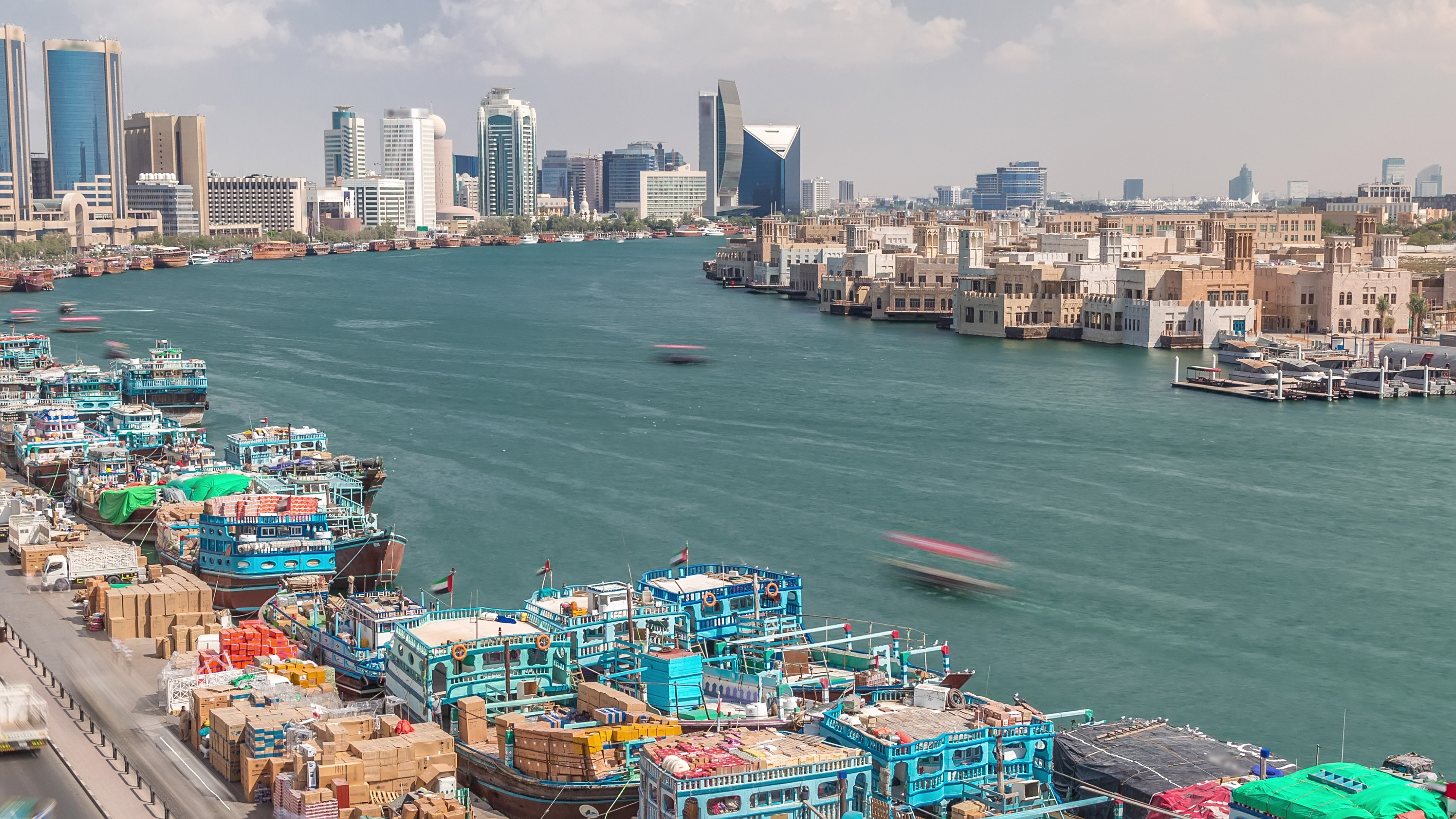
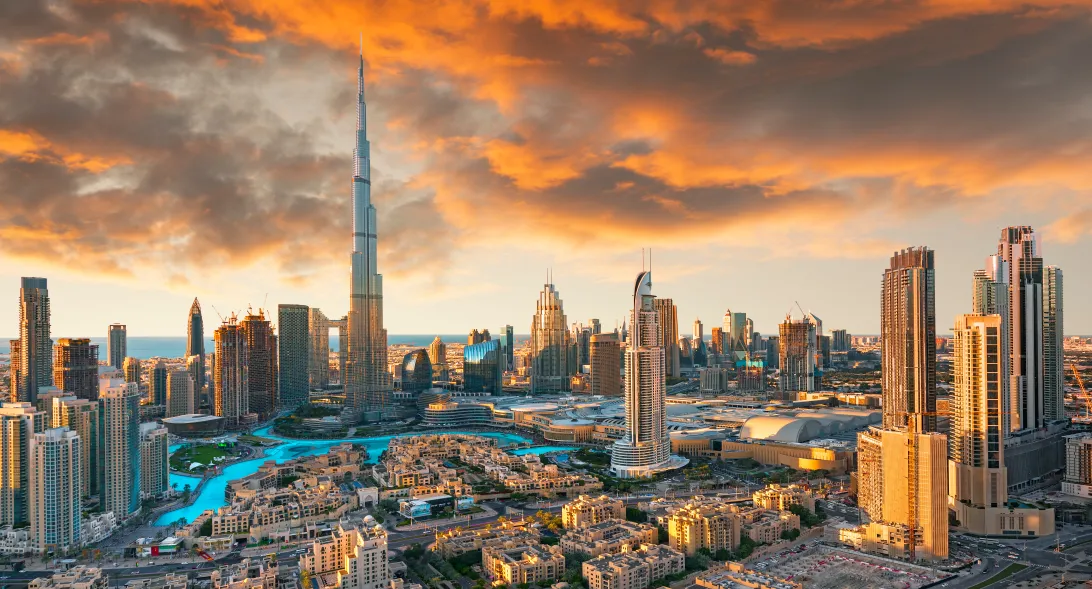
Walking through the historic Al Fahidi district, with its wind-tower architecture and narrow lanes, one can glimpse the city’s past. Traditional abras (small wooden boats) still ferry passengers across Dubai Creek, much as they have for generations. Yet just a short drive away rises the Burj Khalifa, the tallest building in the world at 2,716 feet. From its observation deck, the view stretches from the Persian Gulf to the desert, illustrating the remarkable blend of nature and ambition that defines Dubai.
The religious makeup of the UAE reflects both tradition and globalization. Islam is the official religion, and the majority of Emirati citizens are Muslim. The call to prayer echoes from mosques throughout the city. However, due to its large expatriate population, who comprise nearly 85 percent of Dubai’s residents, the city is notably religiously diverse. Churches, Hindu temples, and Sikh gurdwaras stand alongside mosques, symbolizing the country’s relative tolerance and cosmopolitan character.
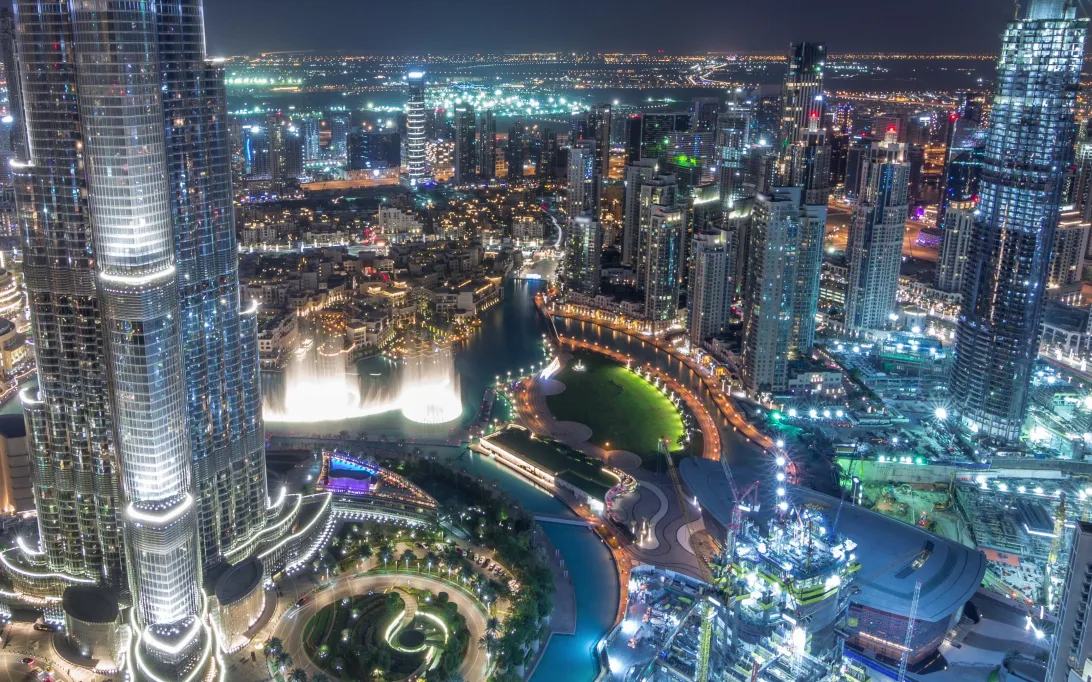
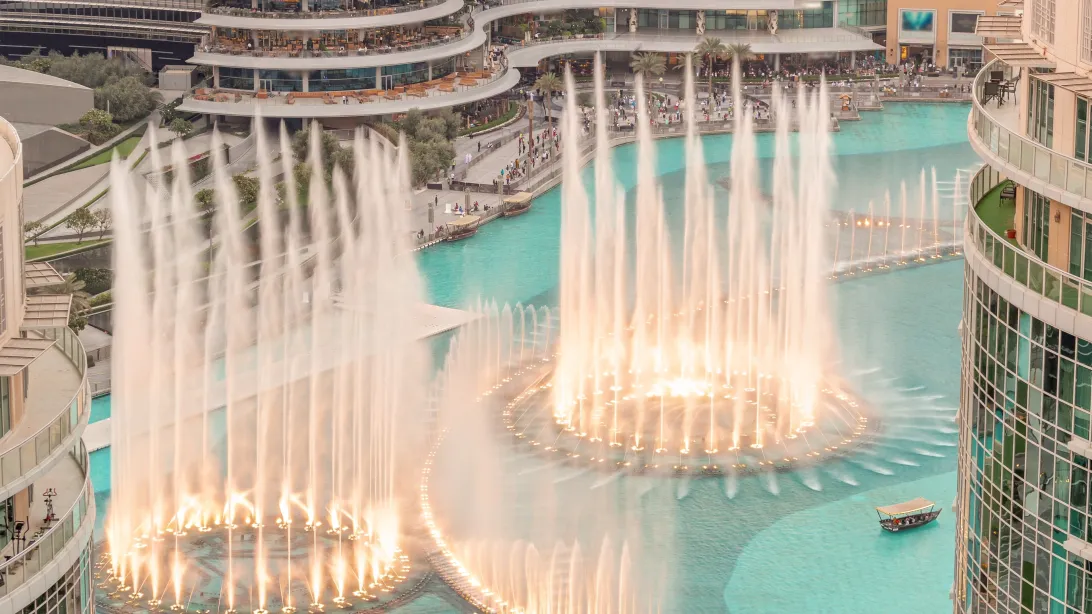
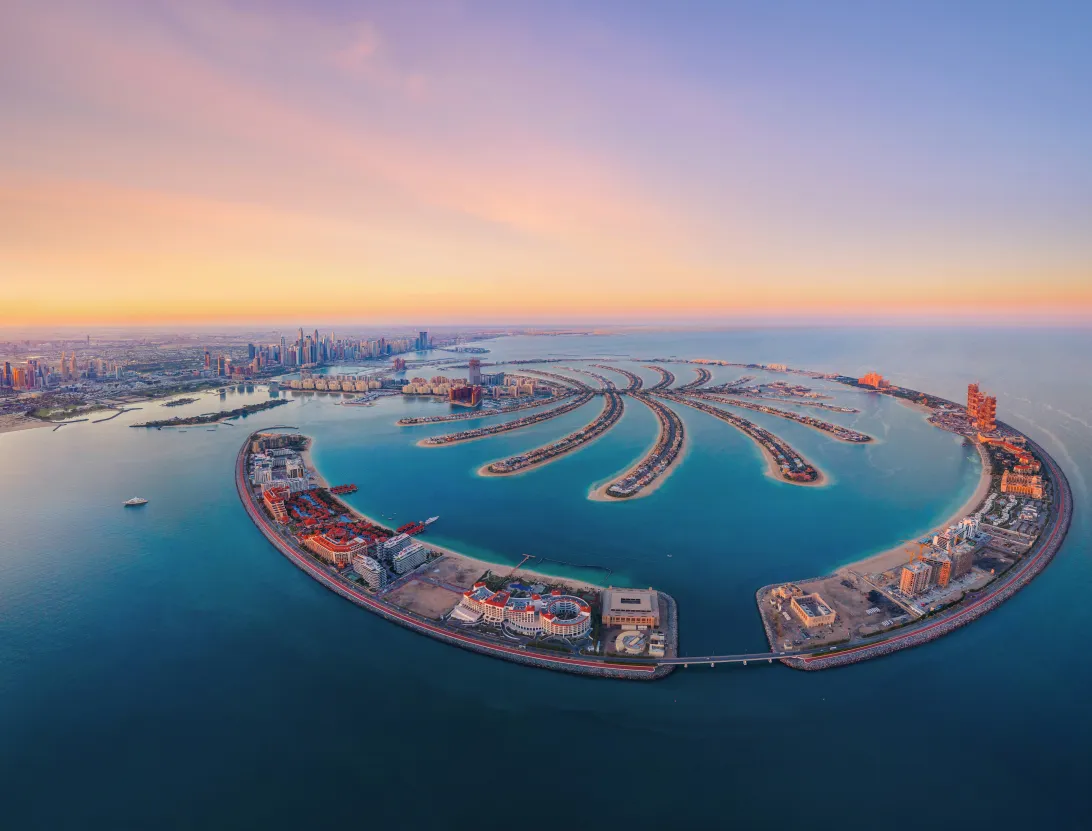
Dubai’s economy is perhaps its most striking feature. It is home to one of the busiest airports in the world, a leading global airline (Emirates), and one of the largest man-made ports, Jebel Ali. The city has also invested heavily in tourism infrastructure. Palm Jumeirah, an artificial island shaped like a palm tree, stretches into the sea as a testament to ambitious engineering. Massive shopping malls, including The Dubai Mall, combine retail with aquariums, ice rinks, and entertainment complexes.
The city is also renowned for hosting major international events. The Dubai Shopping Festival, held annually, attracts millions of visitors with concerts, fireworks, and major retail promotions. These events underscore Dubai’s ambition to serve as a crossroads between East and West.
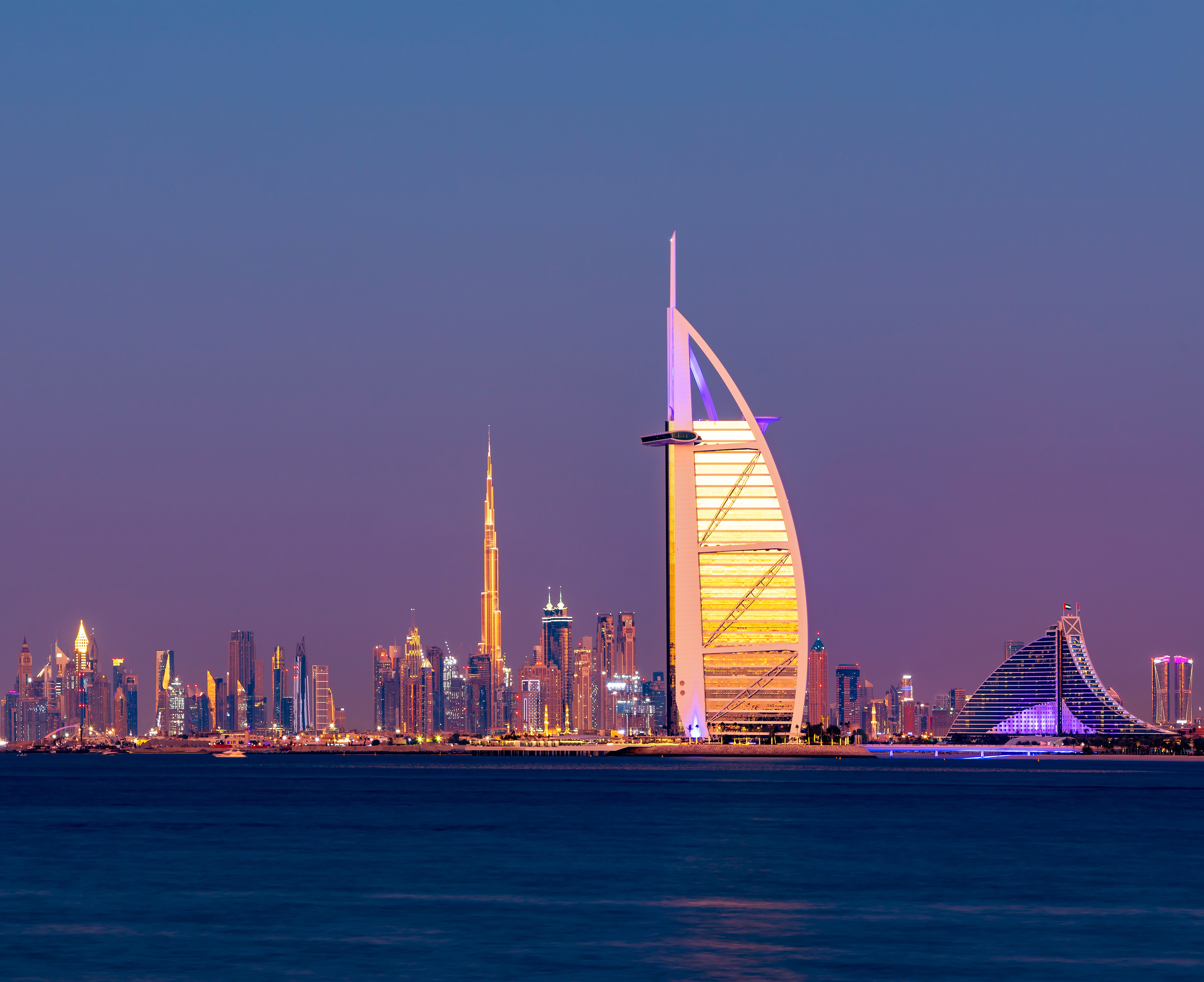
1 Editorial credit: Rasto SK / Shutterstock.com
Primerus has a member law firm in United Arab Emirates, Reina Consulting FZ LLC, located in Dubai, provides specialized legal services in tax, corporate, and privacy law, with expertise tailored to the Gulf Cooperation Council (GCC) region.