

Boston, Massachusetts, U.S. Travelogue
Articles
Travelogues
View more from News & Articles or Primerus Weekly

By Tom Kirvan
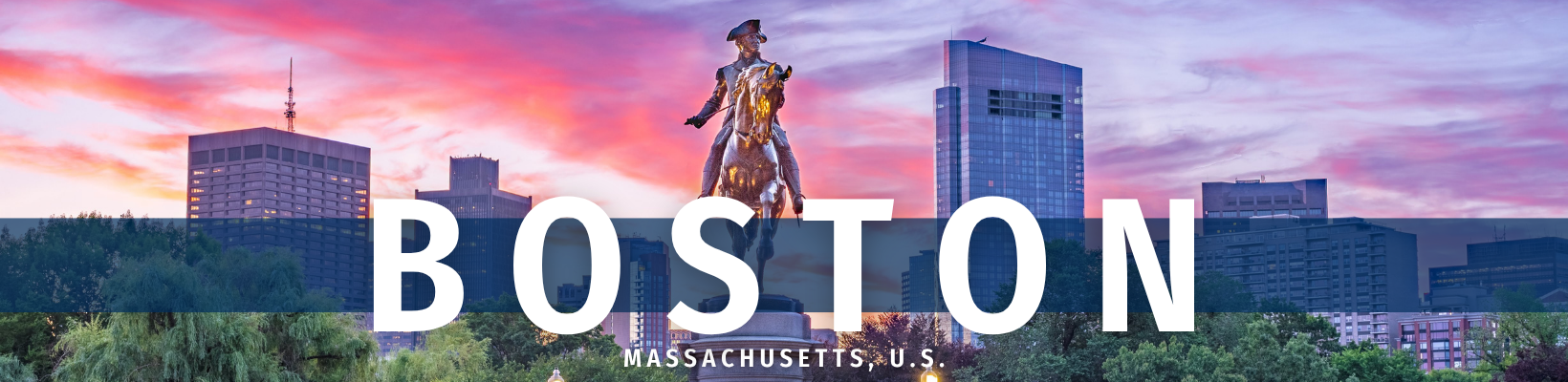
Boston is a city where American history is not preserved behind glass but woven directly into daily life.
Located on the Eastern Seaboard along Massachusetts Bay, Boston is one of the oldest cities in the United States and remains one of its most influential as the capital of Massachusetts. With a population of roughly 675,000 residents and a metropolitan area that exceeds 4 million people, Boston functions as both a compact historic city and the anchor of a vast regional economy.
Geographically, Boston is defined by water. The city sits at the mouth of the Charles River, with Boston Harbor opening into the Atlantic Ocean. Much of the modern city rests on land that did not exist two centuries ago as extensive landfill projects have reshaped Boston’s shoreline, creating neighborhoods such as the Back Bay and Seaport District. The city’s layout reflects its age, with winding streets and irregular grids that contrast sharply with newer American cities. This dense, walkable environment gives Boston a distinctly European feel, reinforced by compact neighborhoods and a strong public transit system.
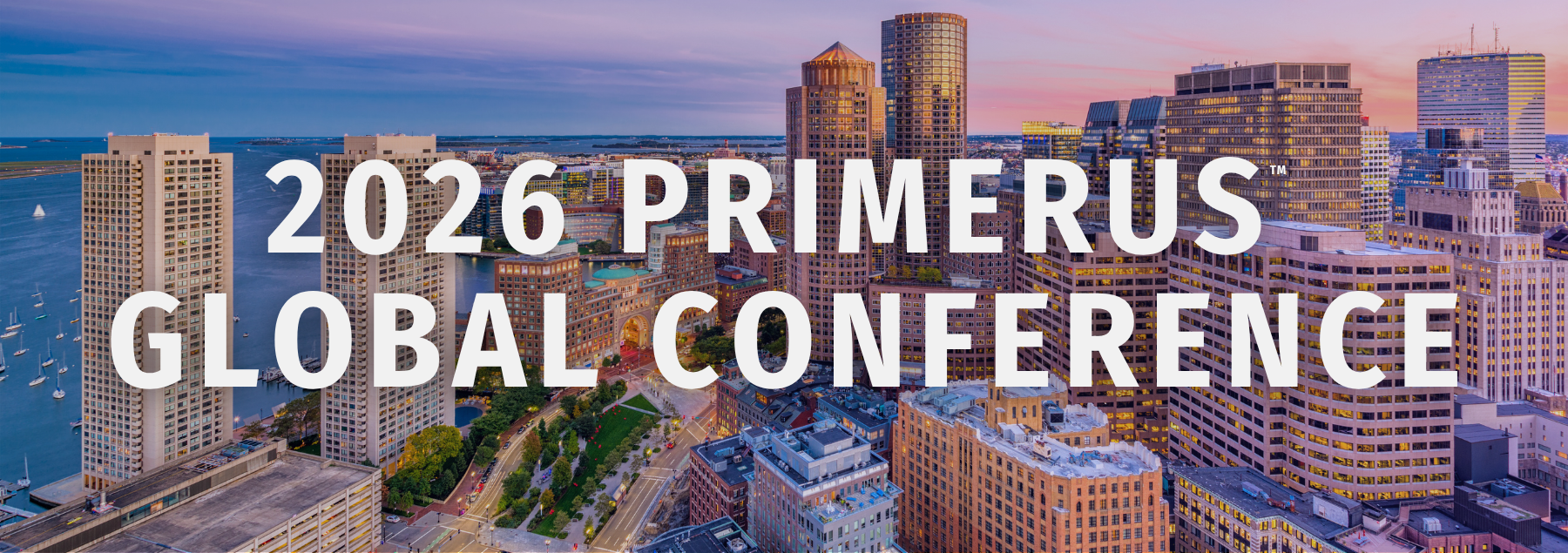
October 1-3, 2026
Fairmont Copley Plaza, Boston
138 St. James Ave.
Boston, MA 02116
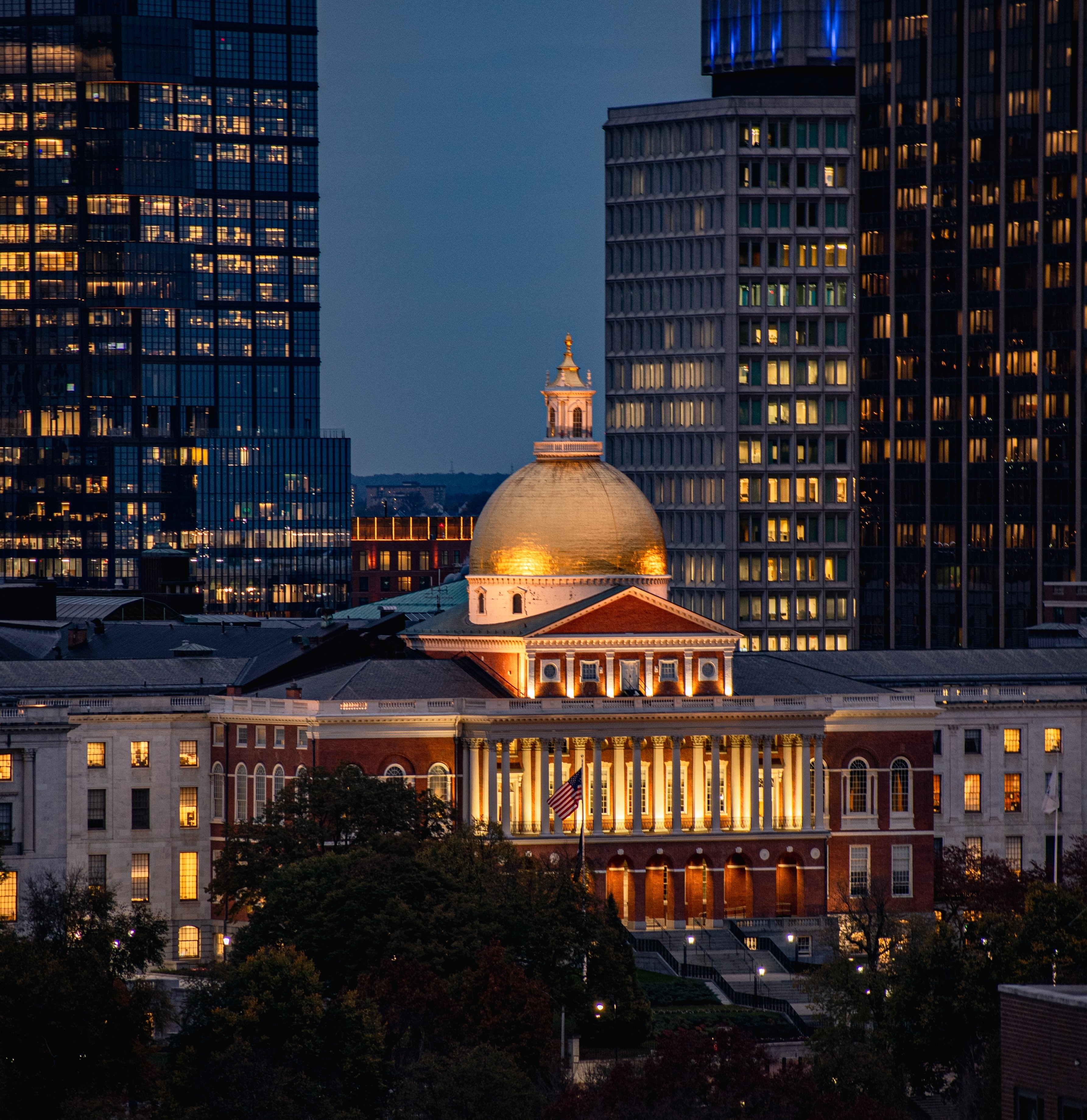
1 Liquid Origins / Shutterstock.com
Boston’s economy is among the most educated and specialized in the country. It is globally recognized as a center for higher education, medicine, and research. Universities and colleges anchor entire neighborhoods and fuel innovation in biotechnology, health care, artificial intelligence, and engineering. Major hospitals and research institutions draw talent from around the world, while finance, professional services, and technology firms contribute to a highly diversified economic base. In recent years, the Seaport District has emerged as a hub for startups and tech companies, signaling Boston’s ability to evolve without abandoning its core strengths.
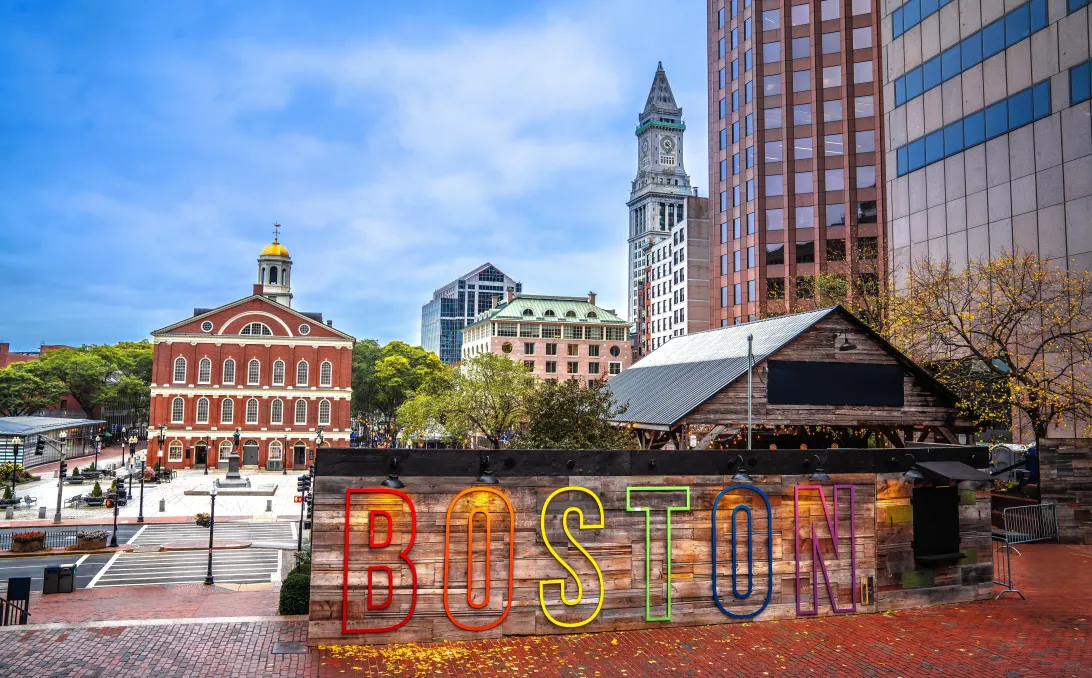
Sightseeing in Boston is inseparable from its historical significance. The Freedom Trail, a red-brick path winding through downtown, connects many of the city’s most important Revolutionary-era sites, including churches, meeting houses, and burial grounds. These landmarks tell the story of Boston’s role in the American Revolution and the birth of the nation. Yet the city is far more than its colonial past. Institutions such as the Museum of Fine Arts and the Isabella Stewart Gardner Museum offer world-class cultural experiences, while Fenway Park – home to the Boston Red Sox – stands as one of the most notable sports venues in the world.
Important landmarks include Old North Church, Paul Revere House, Old State House, the Massachusetts State House, the Bunker Hill Monument, and the Boston Tea Party Museum, among many others.
Neighborhoods give Boston much of its character. Beacon Hill’s narrow streets and brick row houses reflect the city’s early development, while the North End remains a cultural center of Italian-American life and cuisine. Cambridge, just across the Charles River, adds intellectual gravity through its universities and research centers, while South Boston and Dorchester highlight the city’s strong neighborhood identities and evolving demographics. Despite rapid growth and rising costs, Boston retains a strong sense of place rooted in these communities.
Primerus has a member law firm in Massachusetts, Rudolph Friedmann LLP, located in Boston, specializing in business law, construction law, education law, employment, estate planning, mergers & acquisitions, real estate law, and more.
Historically, Boston has been at the center of pivotal national moments. Founded in 1630, it became a leading port and commercial center in colonial America. The city played a crucial role in resistance to British rule, hosting events that shaped the course of the Revolution. In the 19th and early 20th centuries, waves of immigrants transformed Boston into a diverse, industrial city, laying the foundation for its modern cultural and political life. Over time, deindustrialization gave way to a knowledge-based economy, reshaping the city without erasing its past.
Boston’s calendar is filled with annual events that reflect both tradition and civic pride. The Boston Marathon, held each spring on Patriots’ Day, is one of the most prestigious and widely watched road races in the world, drawing elite athletes and tens of thousands of participants. Patriots’ Day celebrations commemorate the opening battles of the American Revolution, blending history with community events. Summer brings waterfront festivals and outdoor concerts, while the city’s strong sports culture ensures that championships, parades, and rivalries remain part of the public fabric.
Ultimately, Boston is a city whose influence comes not from size alone but from its ideas, institutions, and historical weight. From its role in shaping a nation to its position at the forefront of global research and innovation, Boston continues to balance reverence for the past with a clear-eyed focus on the future.
Image Credit:
Liquid Origins (2024 November 3). Boston, Massachusetts USA November 3, 2024 Boston state house; historic spots at night [Photograph]. Shutterstock. Retrieved May 11, 2026 from Shutterstock