

The Iditarod Travelogue: Alaska’s long-standing test of endurance and community
Articles
Travelogues
View more from News & Articles or Primerus Weekly


By Tom Kirvan
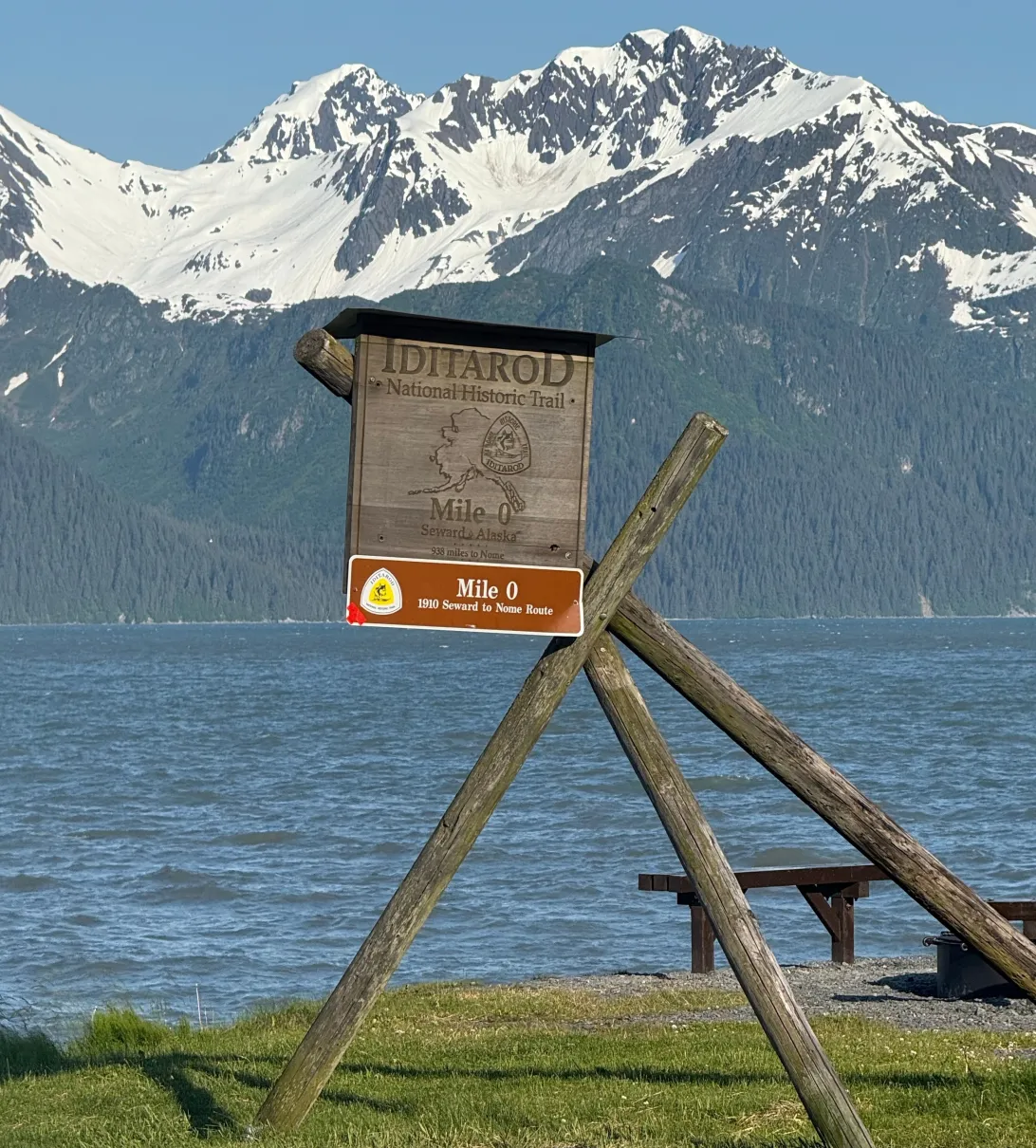
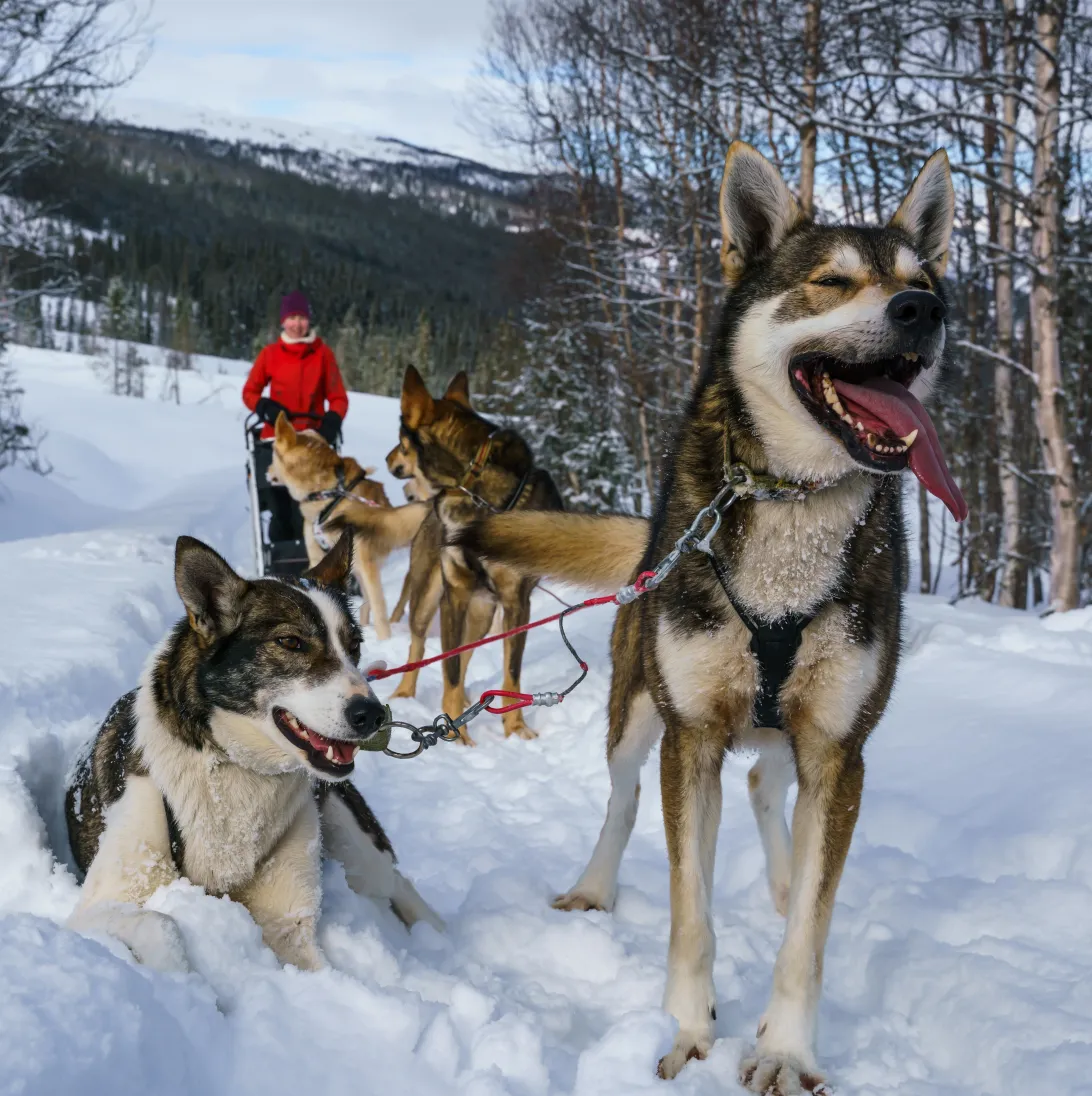
Each March, Alaska becomes the center of global attention as mushers and their dog teams take on one of the most demanding endurance events in the world: the Iditarod Trail Sled Dog Race. Stretching roughly 1,000 miles from Anchorage to Nome, the Iditarod is far more than a race – it is a living tribute to Alaska’s history, resilience, and deep connection to the land.
The Iditarod officially begins in early March, with festivities kicking off in Anchorage, the most populous city in Alaska with nearly 300,000 residents. The ceremonial start, typically held on the first Saturday of the month, allows spectators to meet the mushers, see the dogs up close, and celebrate Alaska’s sled-dog culture in a festive, family-friendly atmosphere. The following day, teams relocate to Willow, where the competitive restart launches the true race northward and west across frozen rivers, mountain ranges, and remote villages. Depending on weather and trail conditions, the first finishers usually arrive in Nome between 9 and 12 days later.
Alongside the race itself, communities host banquets, school visits, dog-handling demonstrations, and cultural events that highlight Indigenous traditions and modern Alaskan life. These activities help make the Iditarod accessible and engaging, even for those who never set foot on the trail.
A Race Rooted in History
The Iditarod’s origins are deeply tied to Alaska’s past. The modern race was first run in 1973, inspired by efforts to preserve sled dog traditions that once served as the backbone of winter transportation across the territory. The trail itself follows historic mail and supply routes that connected isolated communities long before highways or airplanes became commonplace.
One of the most enduring inspirations for the race is the 1925 serum run to Nome, when dog teams relayed life-saving diphtheria antitoxin across hundreds of miles in brutal winter conditions. That heroic effort cemented sled dogs as symbols of courage and reliability, values that continue to define the Iditarod today.
Despite its remote setting, the Iditarod enjoys international recognition. Fans follow the race through live GPS tracking, social media updates, and daily reports that bring the drama of the trail to audiences around the world. Elite mushers become household names in Alaska, and even mid-pack competitors often develop devoted followings.
The race’s appeal lies in its authenticity. There are no stadiums or controlled environments – just humans, dogs, and nature in its rawest form. This authenticity has helped the Iditarod maintain relevance for over five decades, even as technology and modern sports evolve.
Economic Impact on Alaska Communities
Beyond tradition and sport, the Iditarod plays a meaningful economic role in Alaska, particularly for rural communities along the trail. The influx of visitors, media crews, and support teams generates revenue for hotels, restaurants, outfitters, and transportation services in Anchorage, Nome, and dozens of smaller villages.
Local residents are hired for trail preparation, logistics, veterinary support, and checkpoint operations. Schools, tribal organizations, and community groups often receive funding or donations tied to race activities. For remote villages with limited economic opportunities, the Iditarod provides both seasonal income and global visibility. Additionally, sponsorships and tourism linked to the race contribute millions of dollars annually to Alaska’s economy, reinforcing the event’s importance beyond recreation alone.
In a state defined by distance, weather, and self-reliance, the Iditarod remains a powerful symbol of what it means to live – and thrive – in Alaska. It honors the past while continuing to evolve, bringing together athletes, communities, and spectators in a shared celebration of endurance and cooperation. More than 1,000 miles long and more than 50 years strong, the Iditarod continues to define Alaska in the eyes of the world.
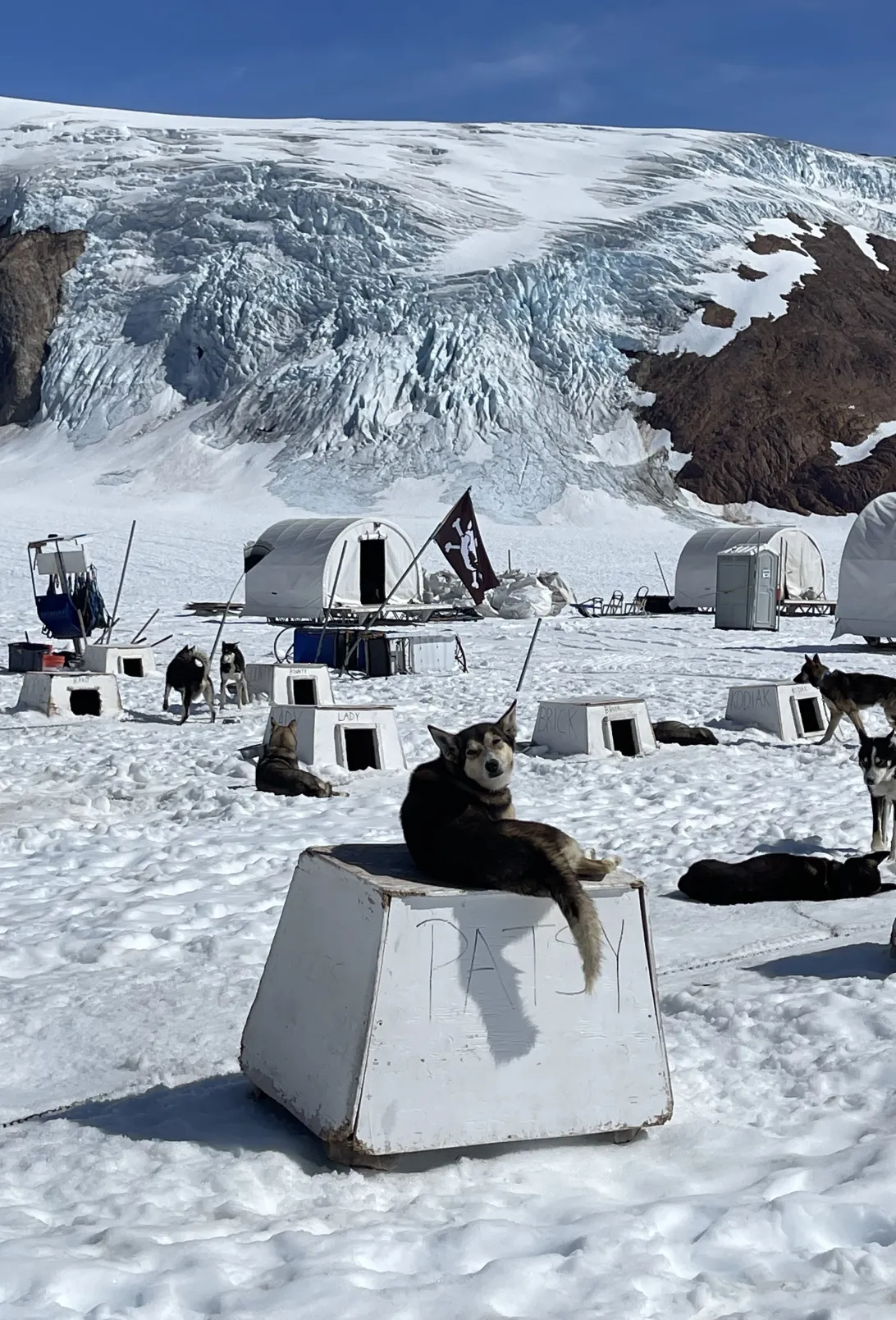
Primerus has a full service member law firm in Anchorage, Alaska:
More information about the Iditarod can be found at: https://iditarod.com/