

São Paulo Carnival Travelogue
Articles
Travelogues
View more from News & Articles or Primerus Weekly

By Tom Kirvan
Each February, Brazil’s largest city transforms into a nonstop celebration of music, movement, and cultural expression as Carnival in São Paulo takes over the streets and sambadromes.
Held February 13-18, São Paulo’s Carnival is one of the most dynamic and fast-growing Carnival celebrations in the world, reflecting the city’s immense diversity, creativity, and scale. While often compared to Rio de Janeiro’s iconic festivities, São Paulo’s Carnival has carved out its own identity – urban, expansive, and deeply rooted in community participation.
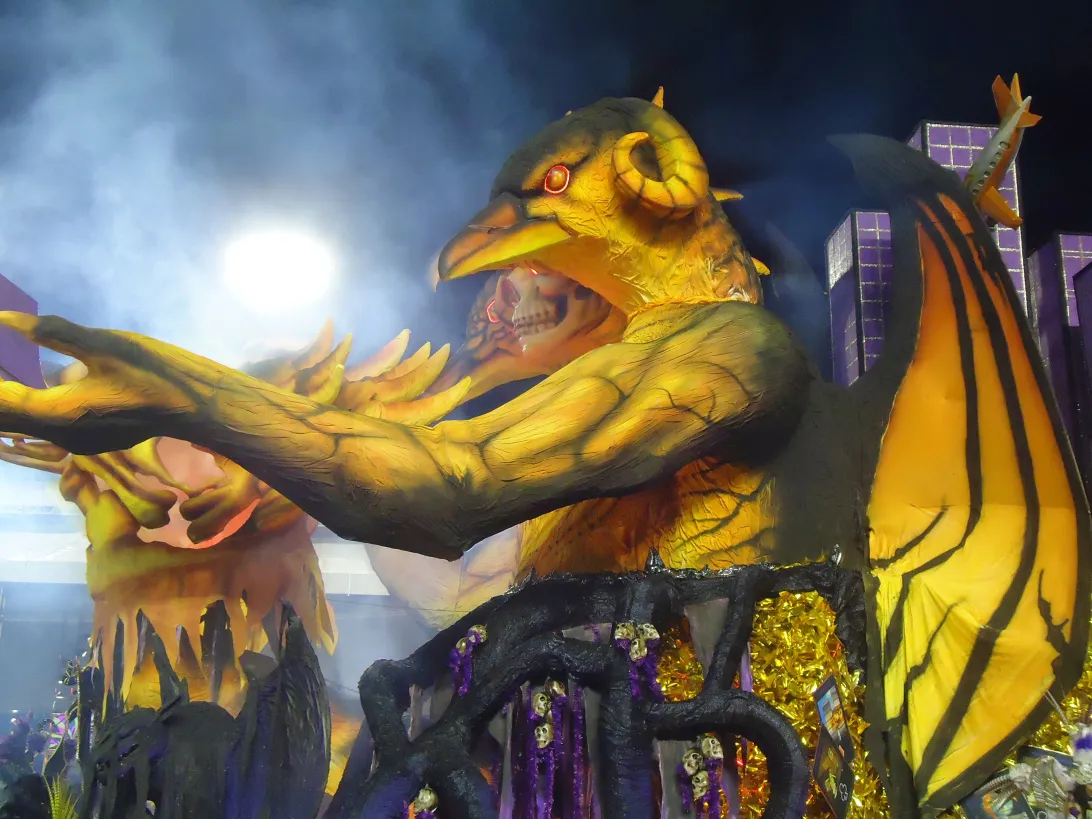
Carnival in São Paulo is anchored by two main experiences: the spectacular samba school parades at the Anhembi Sambadrome and the massive street parties known as “blocos.” The samba school competitions are highly choreographed events featuring elaborate floats, thousands of dancers, live percussion sections, and themed performances judged on music, costumes, rhythm, and storytelling. These parades draw large crowds and television audiences, showcasing months of preparation and craftsmanship by samba schools representing neighborhoods across the city.
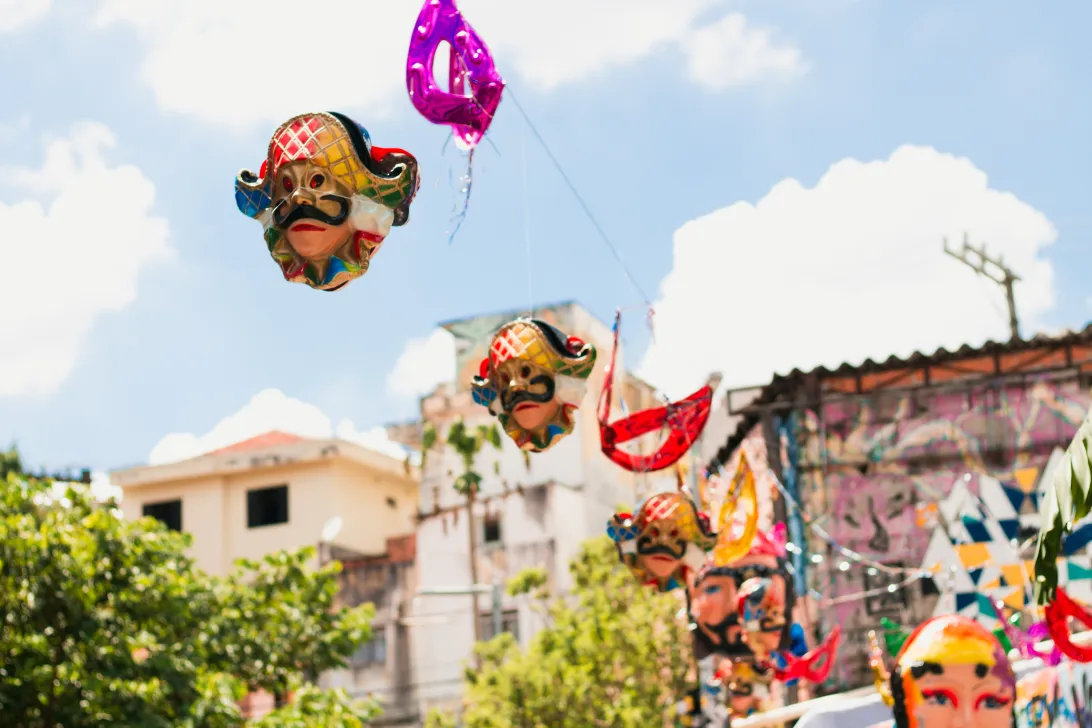
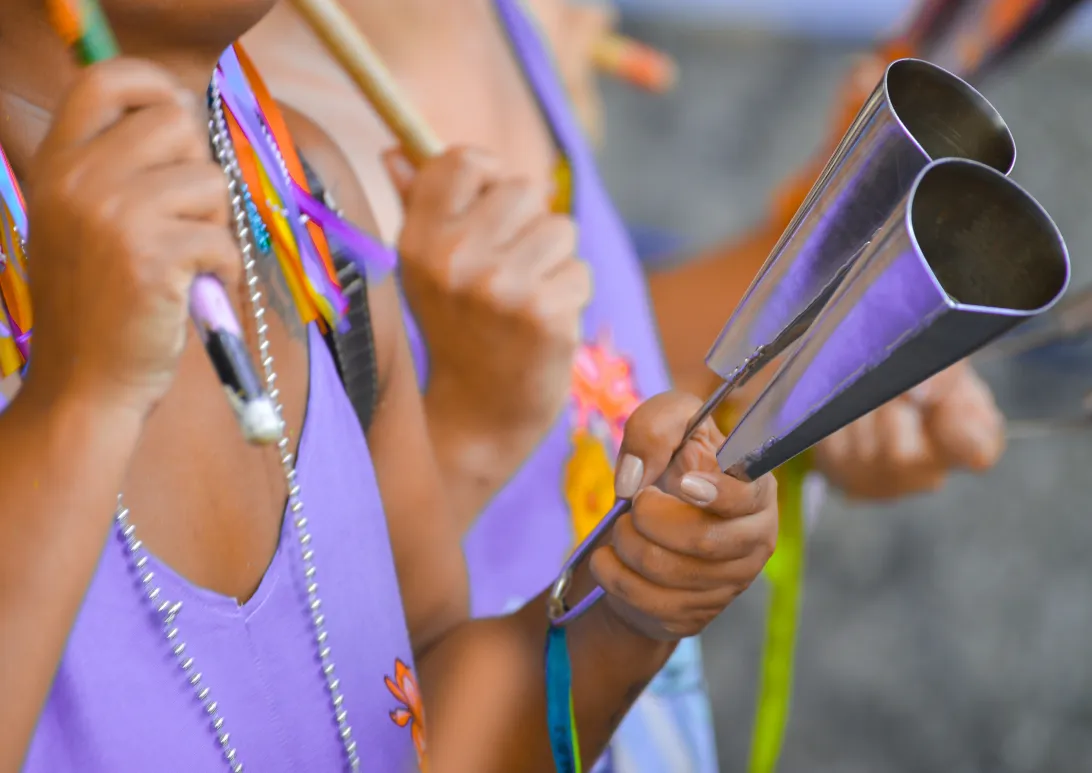
Equally important, and often even larger in attendance, are the blocos de rua. During Carnival week, hundreds of blocos flood São Paulo’s streets, each with its own musical style, theme, and personality. Some blocos focus on traditional samba, while others blend pop, funk, rock, or electronic music. Many are free and open to the public, turning entire neighborhoods into moving street festivals where millions of residents and visitors dance together all day and into the night.
The history of Carnival in São Paulo mirrors the city’s broader evolution. Early celebrations date back to the late 19th and early 20th centuries, influenced by European masquerade traditions and Afro-Brazilian cultural practices. As São Paulo industrialized and grew through waves of migration, from within Brazil and from countries around the world, Carnival absorbed new sounds, rhythms, and customs. Over time, samba schools became formalized organizations, and the city invested in infrastructure like the Anhembi Sambadrome to support the event’s increasing size.
Today, Carnival is one of São Paulo’s most popular annual events, attracting millions of participants and spectators. Unlike destination-driven Carnivals that rely heavily on tourists, São Paulo’s celebration is fueled largely by its own population of more than 12 million people. That local energy gives the festival a uniquely democratic feel, as promoters declare that the Carnival belongs to everyone, from lifelong samba school members to first-time bloco dancers.
The economic impact of Carnival on São Paulo is significant. During the six-day celebration, hotels report high occupancy rates; restaurants and bars see dramatic increases in business; and transportation services operate at full capacity. The event generates thousands of temporary jobs in costume production, event staffing, security, food service, and logistics. Samba schools support year-round economic activity through workshops, rehearsals, and community programs leading up to Carnival.
Primerus has a member law firm in Brazil, Simões, Ribeiro, Bernardini & Furiati Advogados, located in São Paulo, specializing in corporate, mergers and acquisitions, tax, and business law for national and international clients.
Beyond direct spending, Carnival strengthens São Paulo’s creative economy. Designers, musicians, choreographers, artisans, and performers rely on Carnival as a major source of income and a platform for visibility. The festival also reinforces the city’s global image as a cultural capital, an essential counterpart to its reputation as Brazil’s financial and industrial hub.
At its heart, São Paulo’s Carnival is a celebration of collective identity. It reflects the city’s size and scope, diversity, and relentless energy, offering a respite from everyday life when daily routines pause and creativity takes over.
For six vibrant days each February, São Paulo becomes a living stage, proving that Carnival is not just a party, but a powerful cultural and economic force woven into the life of a city that is the most populous in Brazil and also the southern hemisphere.
More information about Carnival in São Paulo can be found at: https://visitbrasil.com/en/festivity/carnival-en/