

New Mexico Travelogue
Articles
Travelogues
View more from News & Articles or Primerus Weekly


By Tom Kirvan
New Mexico is a state of stark contrasts and deep cultural roots. With its breathtaking landscapes, rich history, and vibrant blend of Native American, Hispanic, and Anglo influences, the “Land of Enchantment” offers a truly unique travel experience.
New Mexico is home to approximately 2.1 million people, making it one of the least densely populated states in the U.S. Despite its relatively small population, it boasts a remarkable diversity of cultures and traditions. The state has a significant Native American population, with 23 federally recognized tribes, including the Navajo, Apache, and Pueblo. Additionally, its Hispanic heritage is deeply rooted, dating back to Spanish colonization in the 16th century.
Geographically, New Mexico is one of the most diverse states in the U.S. It features vast deserts, towering mountains, sprawling plains, and dense forests. The Sangre de Cristo Mountains, an extension of the Rockies, dominate the northern part of the state, while the southern regions are characterized by arid deserts and striking rock formations. The Rio Grande River runs through the heart of New Mexico, providing a lush contrast to the surrounding landscapes.
New Mexico’s history stretches back thousands of years. Long before European exploration, the Ancestral Puebloans built remarkable cliff dwellings and villages, some of which remain preserved today. The arrival of Spanish explorers in the late 1500s brought profound changes, as missions and settlements were established.
In 1821, Mexico gained independence from Spain, and New Mexico became a Mexican territory until it was ceded to the United States in 1848 following the Mexican-American War. It became the 47th state in 1912. During the 20th century, New Mexico played a key role in military and scientific advancements, most notably as the site of the Manhattan Project, which developed the first atomic bomb at Los Alamos National Laboratory.
New Mexico’s economy is a mix of traditional and modern industries. Historically, agriculture, mining, and ranching have been economic staples. The state is known for its production of chili peppers, pecans, and cattle.
In recent decades, New Mexico has become a hub for science and technology. Los Alamos National Laboratory and Sandia National Laboratories contribute to research in nuclear energy and national security. The state is also a leader in space exploration, with Spaceport America serving as a launch site for commercial space travel.
Tourism is another major economic driver for New Mexico, with visitors drawn to the state’s natural beauty, historic sites, and vibrant arts scene. The film industry has flourished in recent years, thanks to New Mexico’s striking landscapes and generous tax incentives for filmmakers.
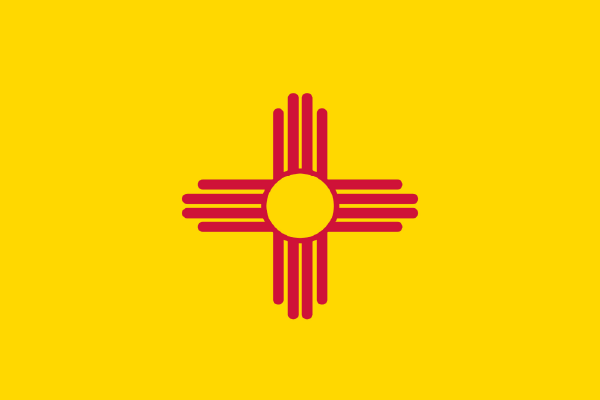
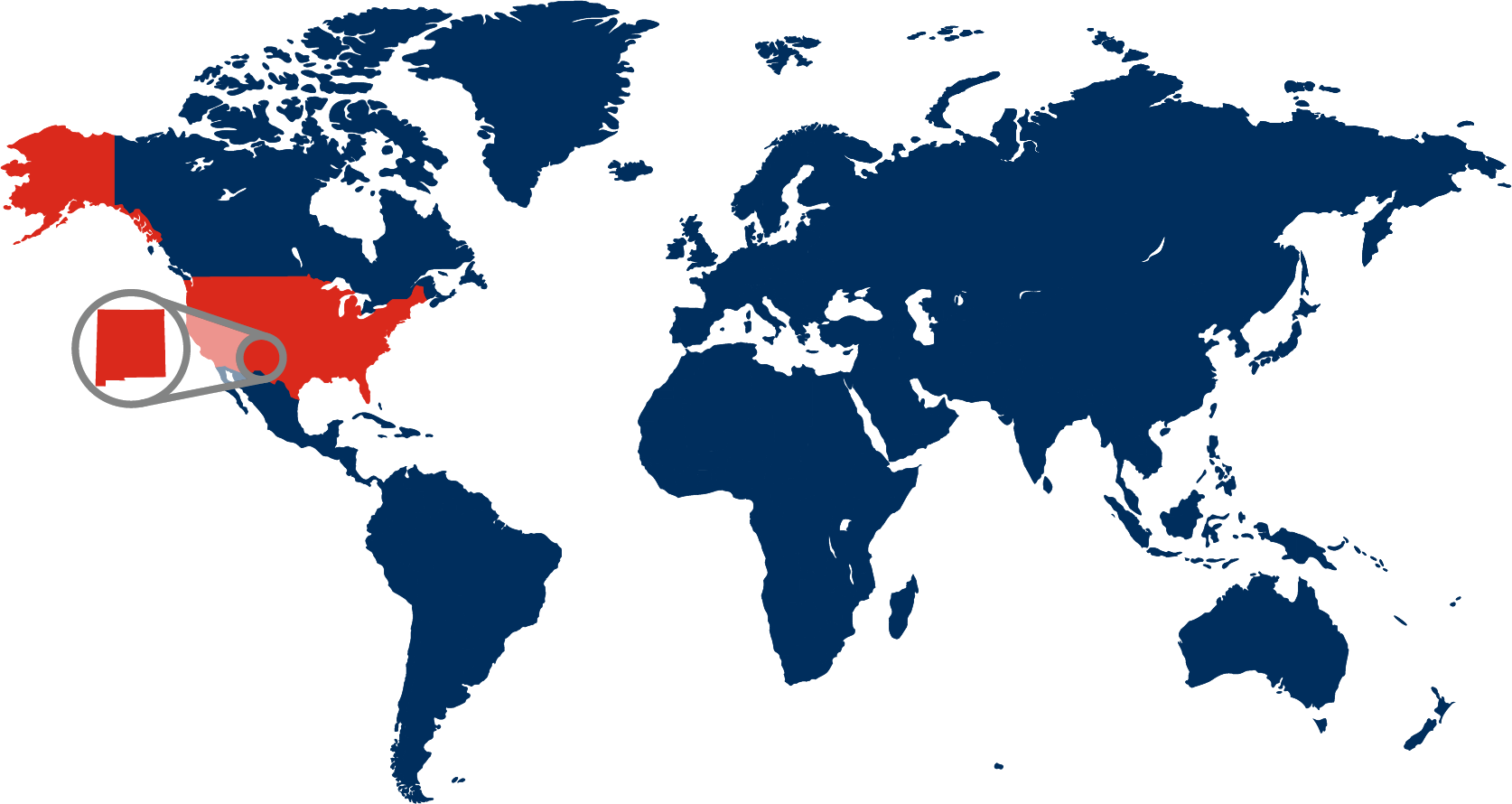
Capital: Santa Fe
Population: 2.1 million
Economic engines: Science and Technology, Mining, and Tourism
Highest Point: Wheeler Peak (13,161 feet)
Primerus Member:
Hinkle Shanor LLP, a full-service law firm with offices in Albuquerque, Roswell, and Santa Fe.
The state capital, Santa Fe, is the oldest capital city in the U.S., founded in 1610. It is known for its well-preserved Spanish colonial architecture, thriving arts scene, and distinctive Pueblo-style adobe buildings. Santa Fe is a cultural haven, home to numerous art galleries, museums, and the renowned Santa Fe Opera.
Albuquerque, the largest city in New Mexico, is a vibrant urban center that balances modernity with deep historical roots. Situated along Route 66, it is known for its annual Albuquerque International Balloon Fiesta, which fills the sky with hundreds of colorful hot air balloons every October.
Five Must-See Destinations