

Oklahoma Travelogue
Articles
Travelogues
View more from News & Articles or Primerus Weekly

By Tom Kirvan
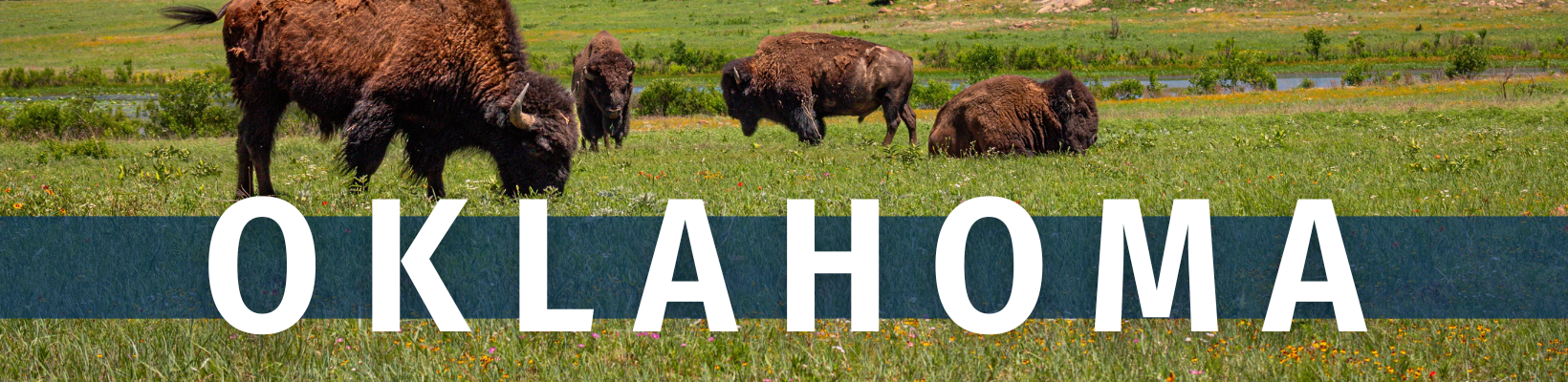
Tucked into the south-central region of the United States, Oklahoma is a state where rugged frontier spirit meets sweeping prairies, rich Native American culture, and unexpected natural beauty. With a population of about 4 million people, Oklahoma offers a compelling mix of Western heritage, small-town charm, and a growing urban energy that makes it one of America’s most underrated travel destinations.
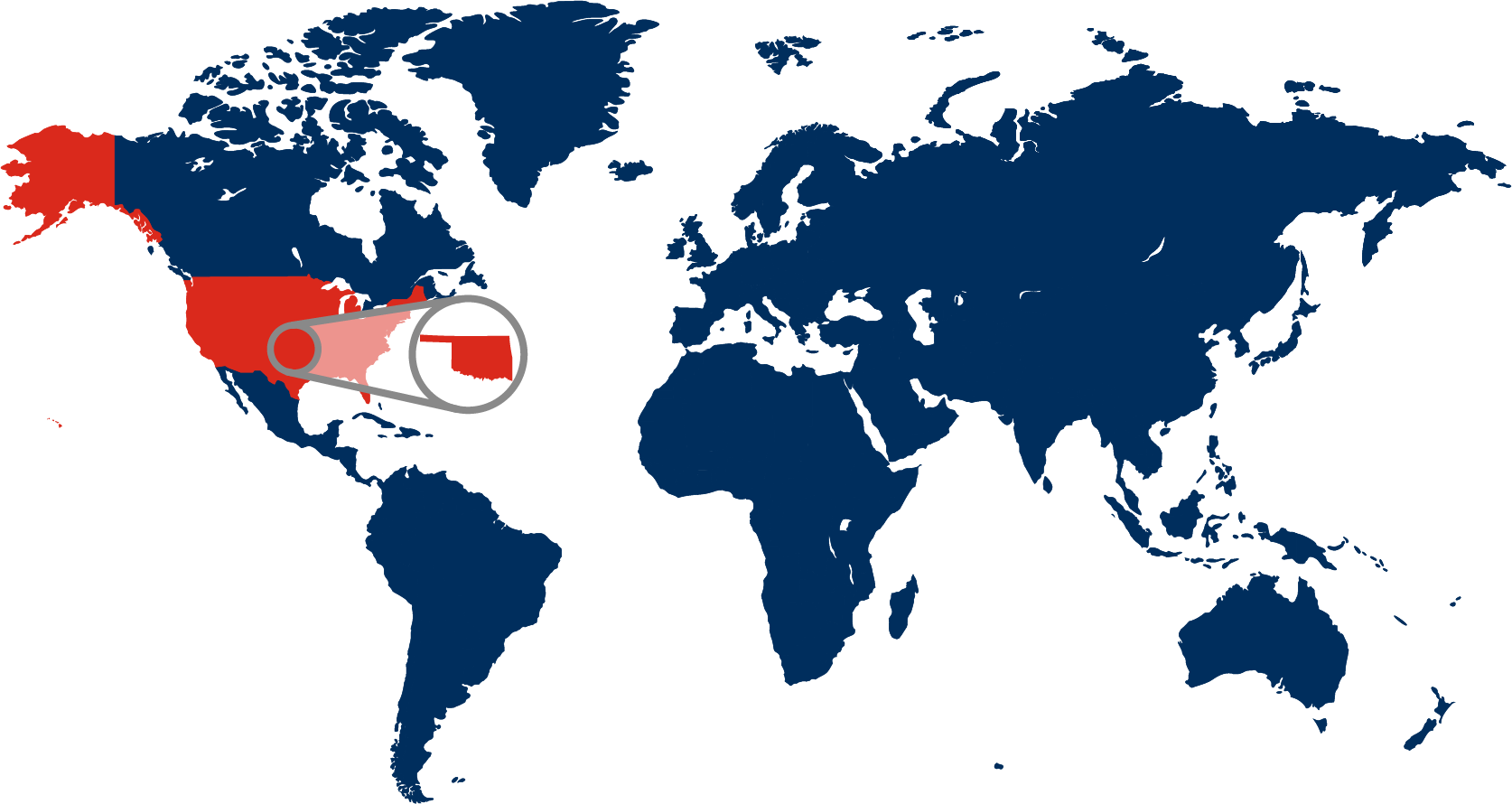
Oklahoma is bordered by six states – Texas to the south and west, Kansas to the north, Missouri and Arkansas to the east, and Colorado and New Mexico to the northwest. Its geography is diverse: from rolling plains and prairies to forested hills, salt flats, and mountainous terrain. The state lies at the crossroads of the Great Plains, Ozark Plateau, and Ouachita Mountains, making it a natural playground for hikers, wildlife enthusiasts, and road trippers.
Some settlers who came to Oklahoma in the 1880s claimed land earlier or sooner than they were allowed, earning the state the nickname “The Sooner State.”
The capital and largest city, Oklahoma City, sits in the heart of the state. Known for its cowboy culture, revitalized downtown, and lively arts scene, Oklahoma City offers visitors a mix of urban exploration and frontier nostalgia. The city is also home to the Oklahoma City National Memorial, a poignant tribute to the victims of the 1995 bombing that ranked as one the worst acts of domestic terrorism in U.S. history.
Located in the remote panhandle region of the state, Black Mesa is Oklahoma’s highest point, standing at 4,973 feet above sea level. Rising dramatically above the surrounding grassland, this rugged, flat-topped formation is part of the Black Mesa State Park and Nature Preserve. A hike to the summit offers panoramic views of three states and a glimpse into the unique high plains ecosystem that defines this corner of Oklahoma.
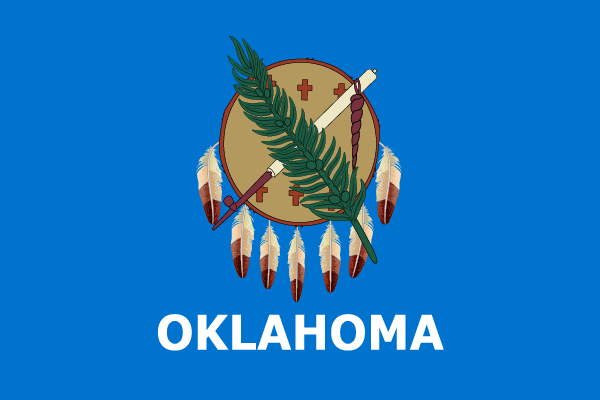
Oklahoma has a layered and often painful history. Originally designated as Indian Territory, it became home to many Native American tribes forcibly relocated from the southeastern U.S. along the Trail of Tears. Today, Oklahoma is home to 39 federally recognized tribes, and Native American culture is deeply woven into the state’s identity.
The Land Runs of the late 19th century saw thousands of settlers racing to claim plots of land, forever altering the region's demographic and political landscape. Oklahoma became the 46th state in 1907, combining Indian Territory and Oklahoma Territory.
In the 20th century, Oklahoma made headlines for both triumph and tragedy – from the Tulsa Race Massacre of 1921, one of the worst acts of racial violence in American history, to the discovery of oil, which earned the state immense wealth and the nickname “Black Gold Capital.” The state's motto, “Labor Conquers All Things,” reflects a grit and determination that’s visible in its communities, landscapes, history, and cultural fabric.
Five Must-See Destinations
Capital: Oklahoma City
Population: 4 million
Highest point: Black Mesa (4,973 feet)
Economic engines: Oil and gas production, aerospace, and agriculture
Primerus Members:
The Handley Law Center, PPII
(El Reno, Oklahoma, U.S.)
The Handley Law Center, a personal injury and criminal law firm located in El Reno.
Smiling, Smiling & Burgess, PDI
(Tulsa, Oklahoma, U.S.)
Smiling, Smiling & Burgess, an insurance defense law firm located in Tulsa.