

Alaska Travelogue
Articles
Travelogues
View more from News & Articles or Primerus Weekly

By Tom Kirvan
Vast, untamed, and breathtaking, Alaska is unlike any other place in the United States. Known as "The Last Frontier," it is a land where glaciers meet the ocean, mountains pierce the sky, and wildlife roams free. With a population of just under 740,000 people spread across more than 663,000 square miles, Alaska is the largest state in the U.S. by area – but among the least densely populated. This rugged northern state is a dream destination for adventurers, nature lovers, and those seeking solitude in the great outdoors.
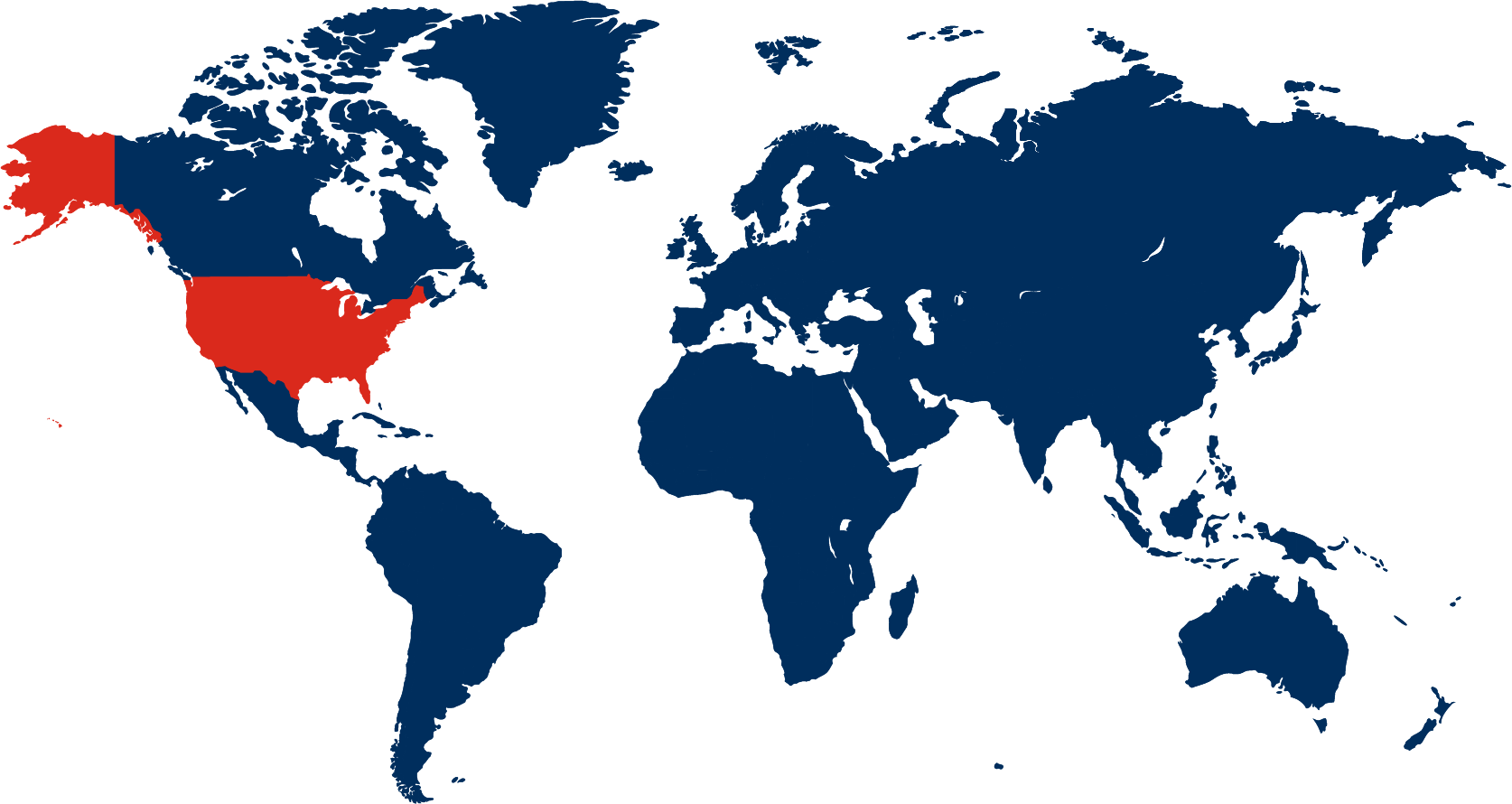
Alaska is located in the far northwest corner of North America, bordered by Canada to the east, the Arctic Ocean to the north, the Pacific Ocean to the south, and Russia across the Bering Strait to the west. The state’s geography is staggering in its diversity: snow-capped mountain ranges, vast boreal forests, tundra plains, fjords, glaciers, and more than 3 million lakes. Alaska’s coastline is longer than that of all other U.S. states combined, and its natural ecosystems support a rich array of wildlife, from grizzly bears and moose to orcas and bald eagles.
The capital city, Juneau, sits in southeastern Alaska and is only accessible by boat or plane – there are no roads connecting it to the rest of the state. Nestled between the sea and towering mountains, Juneau is a charming mix of Native Alaskan heritage, Gold Rush history, and modern-day governmental function. Its proximity to glaciers, fjords, and wilderness makes it a favorite among cruisers and outdoor explorers alike.
Towering at 20,310 feet, Denali (formerly known as Mount McKinley) is not only Alaska’s highest peak but also the tallest mountain in North America. Located in Denali National Park and Preserve, the mountain rises dramatically from a broad plain and is a dominant feature of the landscape. Climbing Denali is a serious feat reserved for experienced mountaineers, but visitors can take in its awe-inspiring presence from afar through scenic drives, flightseeing tours, or hiking routes within the national park.
Alaska’s rich history dates back thousands of years, with Indigenous peoples including the Inuit, Athabaskan, Tlingit, and Aleut living sustainably across its diverse regions. Russian explorers arrived in the 18th century, and Alaska was eventually sold to the United States in 1867 for $7.2 million, a purchase once mocked as “Seward’s Folly.”
Capital: Juneau
Population: 740,000
Highest Point: Mt. Denali (20,310 feet)
Economic engines: Oil production, tourism, and fishing
Primerus Member: Landye Bennett Blumstein LLP
Landye Bennett Blumstein LLP, a full-service law firm located in Anchorage.
The Klondike Gold Rush of the late 1800s brought waves of settlers and fortune-seekers. Alaska gained statehood in 1959, becoming the 49th U.S. state. The discovery of oil in Prudhoe Bay in 1968 and the completion of the Trans-Alaska Pipeline in the 1970s transformed the state’s economy and infrastructure.
Five Must-See Destinations