


Booming data center construction sparks a fiery national debate over economic promise, environmental cost
By Tom Kirvan
Across the United States, a quiet but transformative building boom is underway.
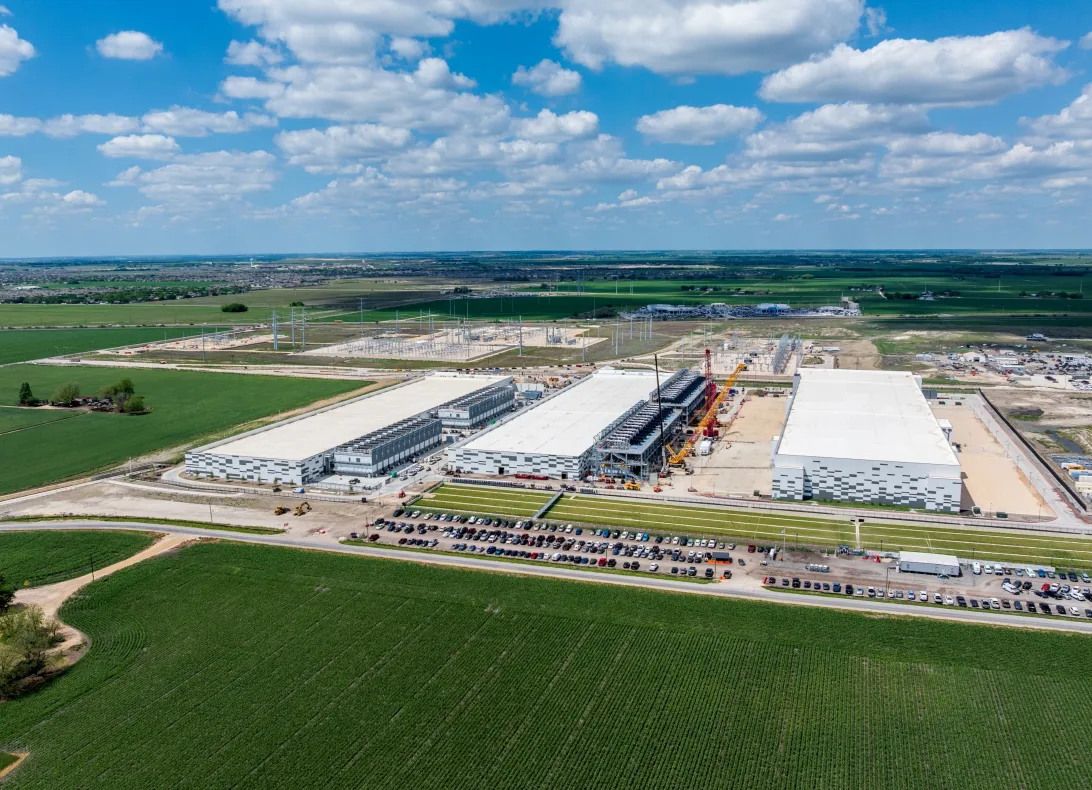
Massive data centers – warehouse-sized facilities packed with servers powering everything from cloud storage to artificial intelligence (AI) – are rising on the outskirts of cities, in rural farmland, and near suburban neighborhoods. While proponents hail them as essential infrastructure for the digital economy, critics warn of mounting environmental strain, rising electricity costs, and stress on local communities.
In the past two years, industry estimates suggest that more than 250 large-scale data center projects have been completed nationwide, with some 400 additional developments in planning or construction. The surge is fueled largely by the rapid growth of AI, which requires unprecedented computing power and physical infrastructure to support it.
Yet, as the projects multiply, so does the controversy.
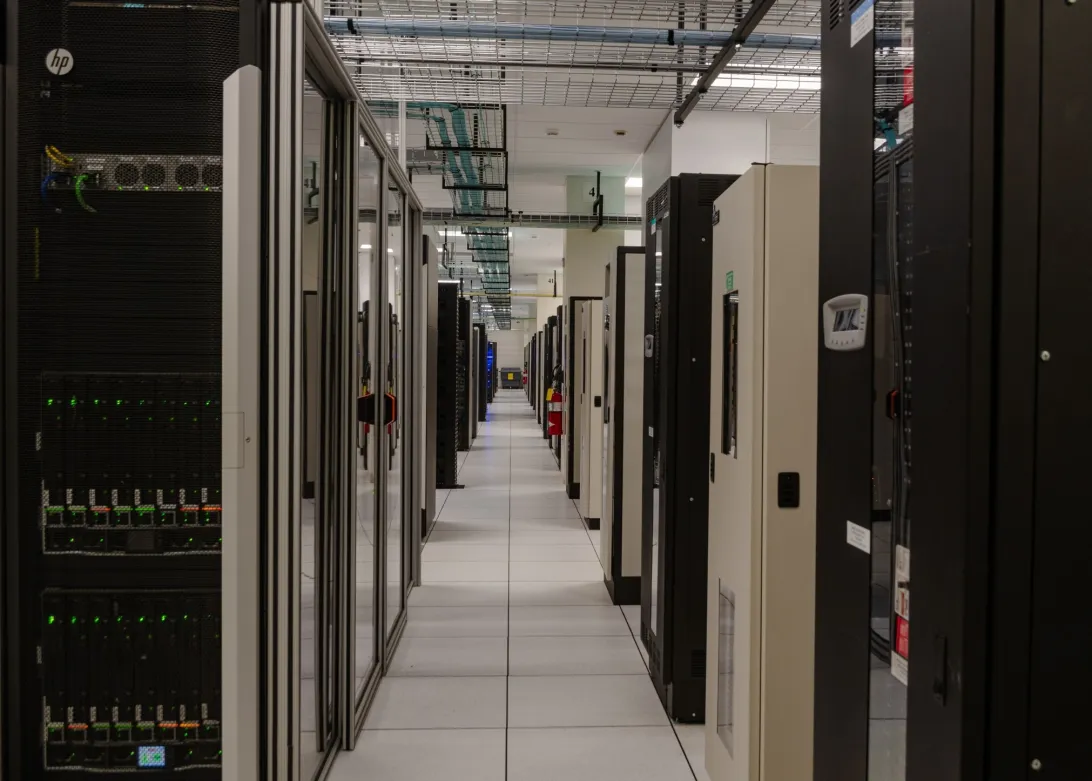
Modern data centers are staggering in size and cost. A typical hyperscale facility can span 500,000 to more than 1 million square feet and cost $500 million to $2 billion to build. These facilities house tens of thousands of servers and rely on extensive cooling systems, backup generators, and high-capacity electrical connections.
Despite the scale of investment, long-term employment is relatively limited. Most large data centers employ between 50 and 200 full-time workers, primarily in operations, maintenance, and security.
That imbalance has drawn scrutiny from some policymakers and analysts who question whether the economic return matches the footprint.
Supporters argue that the benefits extend far beyond direct employment.
“Data centers are the backbone of the modern economy,” Microsoft CEO Satya Nadella said in a recent earnings call, emphasizing that cloud and AI infrastructure underpin everything from health care systems to manufacturing operations.
These projects often generate significant property tax revenue and can anchor broader economic development. Local governments, particularly in rural areas, have offered tax incentives to attract developers, betting on long-term fiscal gains.
Amazon CEO Andy Jassy has similarly defended the expansion of data centers, noting that cloud infrastructure enables “virtually every industry to modernize and innovate,” making such investments critical to economic competitiveness.
Construction phases can also bring temporary job growth, employing hundreds of workers over multiple, but limited years.
The AI Factor: Exploding Demand for Computing Power
At the heart of the boom is AI.
Training large AI models requires enormous computational capacity, often running continuously for extended periods. Once deployed, AI systems demand ongoing processing power to handle queries, automation, and analytics.
NVIDIA CEO Jensen Huang has described modern data centers as “AI factories,” arguing they will be central to global economic productivity in the coming decades.
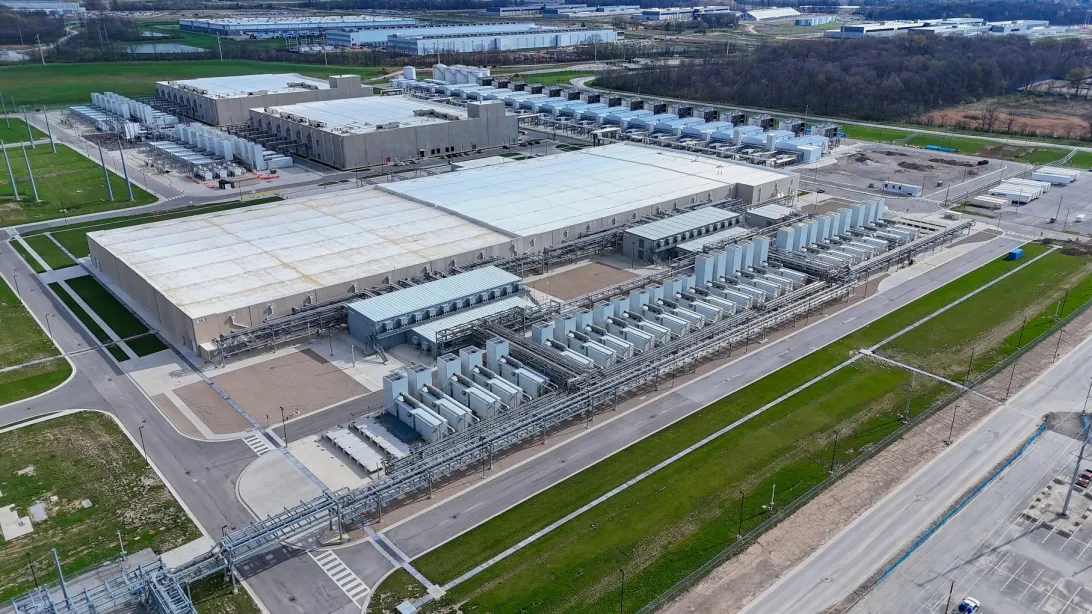
“The data center is no longer just a place to store information,” Huang said during a keynote address. “It is where intelligence is created.”
That shift is driving a new generation of AI-optimized facilities, which require even more electricity and advanced cooling systems than traditional data centers.
But the growth comes with significant environmental tradeoffs.
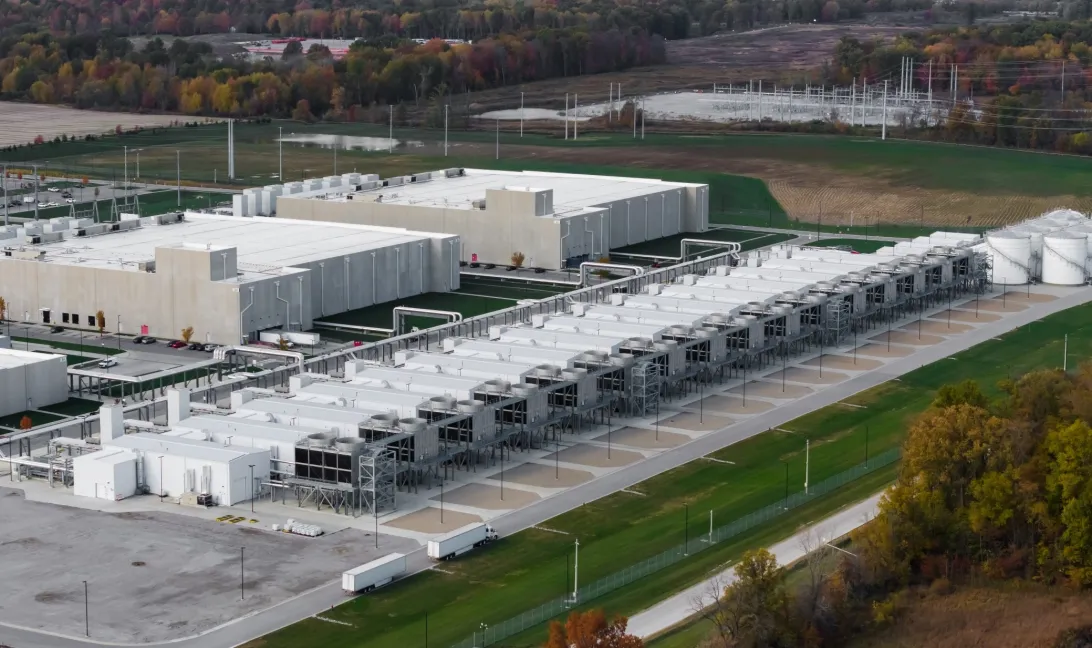
Data centers are among the most energy-intensive types of infrastructure. A single hyperscale facility can consume as much electricity as tens of thousands of homes, and collectively, data centers account for an estimated 2 to 3 percent of total U.S. electricity usage – a share expected to rise.
Critics warn that accommodating this demand will require costly upgrades to the power grid, potentially leading to higher electricity rates for consumers.
“Large industrial users like data centers can drive the need for new generation and transmission,” said Tyson Slocum, energy program director at Public Citizen. “Those costs are often socialized across rate-payers.”
Water usage is another major concern. Many facilities rely on water-intensive cooling systems, consuming millions of gallons annually. In drought-prone regions, this has sparked backlash from residents and environmental groups.
AI researcher Kate Crawford, author of “Atlas of AI,” has argued that the environmental footprint of AI infrastructure is often underestimated.
“These systems are not immaterial,” she has said. “They rely on vast amounts of energy, water, and raw materials.”
Beyond environmental concerns, data centers can place pressure on local infrastructure, critics of the projects contend.
Communities must often upgrade roads, power lines, and water systems to support new developments. Emergency services also face new demands, from managing electrical hazards to ensuring adequate fire protection for high-voltage facilities.
Local officials point out that the data center projects involve highly complex industrial sites, and require coordination across utilities, public safety, and transportation systems.
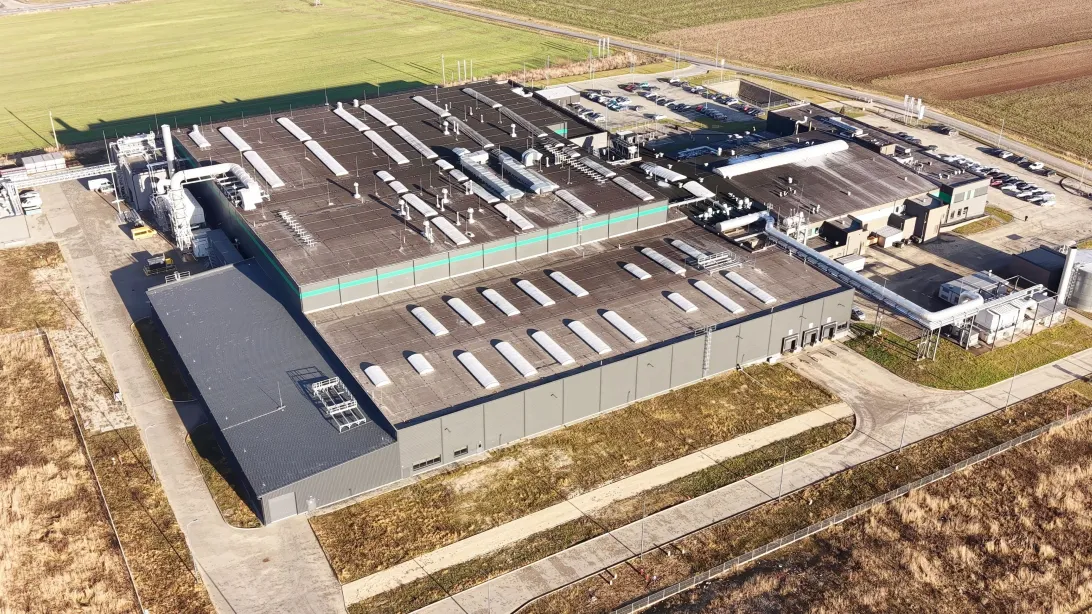
In some cases, residents have raised concerns about noise from cooling systems and backup generators, as well as the visual impact of large, windowless buildings.
Community Pushback and Political Scrutiny
As development accelerates, opposition has grown.
In states like Virginia, Texas, Michigan, and Arizona, residents have organized protests and pushed local governments to reconsider zoning approvals and tax incentives.
In a March 26 article appearing in The New York Times, Chris Miller, the president of the Piedmont Environmental Council of Virginia, outlined the degree of local resistance to data centers.

“You’re going to see a growing level of frustration and discontent all across the Commonwealth of Virgina as the infrastructure reveals itself,” said Miller. “They’re running into the basic philosophy of most Americans. It’s like, ‘We get to decide how our community changes.’”
And to discover those who stand to benefit once the data centers become operational.
“We have to ask who really benefits,” said Stacy Mitchell, co-executive director of the Institute for Local Self-Reliance, which has criticized subsidies for large tech projects. “These facilities can impose real costs on communities while delivering relatively few jobs.”
Environmental activist Bill McKibben has also warned about the broader climate implications of energy-intensive industries expanding at scale.
“We need to be thinking carefully about where our energy is going,” McKibben said, particularly as the U.S. works to reduce emissions.
Some lawmakers have begun to take notice. Representative Alexandria Ocasio-Cortez (D-N.Y.) has been critical of corporate tax incentives and has called for greater scrutiny of large-scale developments that carry environmental and public cost implications. She said the tax breaks are “a poor use of public funds that could otherwise support infrastructure like schools and subways.”
The growing tension has prompted calls for a more balanced approach.
Policy experts suggest stronger requirements for renewable energy use, greater transparency around resource consumption, and revised tax structures to ensure communities receive fair returns.
Some companies have begun to respond. Google and Microsoft have both pledged to power their operations with carbon-free energy and reduce water usage through advanced cooling technologies.
Ruth Porat, president and CIO of Alphabet and Google, has emphasized the company’s commitment to sustainable growth, stating that infrastructure expansion must align with environmental goals.
As the U.S. continues to expand its digital infrastructure, the debate over data centers reflects broader questions about the future of technology and its societal impact.
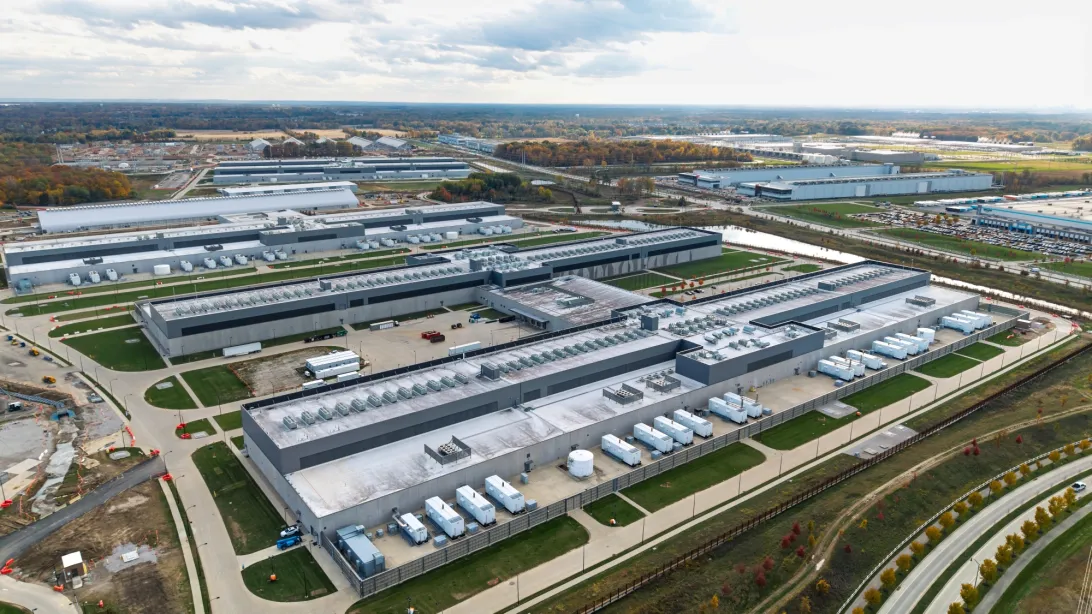
On one hand, these facilities are essential to powering the tools that increasingly define modern life. On the other, they raise complex questions about sustainability, resource allocation, and the balance between private investment and public cost.
With hundreds of projects still in development and demand for AI accelerating, the stakes are only rising.
The outcome of this debate may determine not just where data centers are built, but how the next era of technological growth is shaped.