


Environmental Liabilities in Latin America: A Comparative Perspective
By Natalia Alvarez Lozano, of Pinilla, González & Prieto Abogados
The management of environmental liabilities has become one of the most complex challenges for Latin American countries, particularly in contexts of economic growth driven by extractive activities and land-use transformation.1 For example, in Colombia, a country internationally recognized for its extraordinary biodiversity and natural wealth, environmental liabilities represent a persistent threat to ecosystems, human health, and community well-being.2 Beyond their environmental dimension, these liabilities also have direct consequences for the structuring, execution, and continuity of economic projects, particularly in sectors that rely heavily on land access, and long-term investment decisions. Despite regulatory advances in environmental protection, accumulated environmental damage continues to generate long-term impacts that, in many cases, have not been adequately remediated.
One of the main challenges across the region lies in the gap between the existence of legal frameworks and their effective implementation. Colombia’s recent Law 2327 of 2023 represents a significant step forward by establishing a specific framework for the management of environmental liabilities.3 However, its application faces important obstacles, including the absence of fully developed public policies, secondary regulation, and clear operational mechanisms. This challenge is compounded by a particularly sensitive issue: the allocation of responsibility when the polluter cannot be identified. Under objective liability approaches, this has resulted in third parties, such as current landowners, being required to assume environmental burdens they did not create, generating significant legal uncertainty for investors and project developers.

This article examines these challenges from a comparative perspective, contrasting the Colombian experience with that of other Latin American countries (such as Peru, Chile, and Brazil) which have developed more advanced instruments for the identification, management, and remediation of environmental liabilities. The objective is to extract practical lessons that may inform the consolidation of Colombia’s emerging legal framework and contribute to greater predictability for economic activities exposed to legacy environmental risks.

For the purposes of this analysis, the definition established in Law 2327 of 2023 is adopted: an environmental liability refers to environmental damage caused by anthropogenic activities – whether authorized or not – that generates an unacceptable level of risk to life, human health, or the environment, and that is measurable, geographically identifiable, and spatially delimited.4
A key element of this definition is that such damage is not subject to a valid environmental or sectoral management instrument, which distinguishes environmental liabilities from impacts regulated through environmental licenses, permits, or environmental management plans. This regulatory gap is particularly relevant for project structuring and environmental due diligence processes, as liabilities often emerge during construction or operational phases, when corrective options are more limited and costly.
This characterization is important for comparative analysis, as it emphasizes not only the existence of environmental damage but also the absence of institutional tools for its management, a common feature across several countries in the region. It also helps explain why environmental liabilities pose specific challenges in terms of responsibility allocation, remediation strategies, and financing mechanisms, especially when the original polluter cannot be identified or no longer exists, creating disincentives for private actors to intervene or redevelop affected areas.
Across the Latin American region, environmental liability management has evolved unevenly, although a common pattern emerges, regulatory frameworks formally recognize the problem, but their implementation is constrained by institutional, technical, and financial limitations. Regional experience shows that while several countries have developed instruments to identify and characterize environmental liabilities, structural difficulties persist in prioritizing sites, executing remediation, and securing sustainable financing, with direct implications for investment timelines and risk allocation in major projects.
From a regional perspective, the Economic Commission for Latin America and the Caribbean (ECLAC) has warned that environmental liabilities constitute one of the most significant environmental risks in Latin America and the Caribbean due to their persistent effects on air, water, and soil, as well as their impact on human health and ecosystem stability. These risks are exacerbated by factors such as proximity to populated areas and water bodies, climatic conditions, and seismic activity, underscoring the need for risk-based management approaches.5
One of the main regional challenges is the prevalence of abandoned environmental liabilities/sites without clearly identified responsible parties, a situation aggravated by informality and illegality in certain extractive activities, especially in the mining sector. In such contexts, environmental liabilities not only generate long-term environmental damage but also fuel socio-environmental conflicts and create contingent liabilities for the State, as remediation costs are ultimately transferred to public authorities. Additionally, the heterogeneity of legal definitions of environmental liabilities across the region hinders policy harmonization and regional cooperation.6

In Peru, the State has taken relevant steps to strengthen environmental liability management. Through Supreme Decree No. 009-2023-MINAM, which regulates Emergency Decree No. 022-20207, Peru established a specific framework for the identification and management of environmental liabilities arising from extractive, productive, and service-related activities. This regime introduces a two-phase approach: first, the identification of environmental liabilities and their responsible parties; and second, their remediation through an Environmental Liability Management Plan. The framework also provides the creation of a National Environmental Liabilities Inventory. Importantly, when no responsible party can be identified, the State assumes an active role in managing the liability, without automatically transferring responsibility to the landowner.8
Chile, by contrast, has developed a more robust approach to the inventory and monitoring of mining-related environmental liabilities, even though it lacks a comprehensive environmental liability or contaminated land law. Through the National Geology and Mining Service, Chile has established a National Inventory of Mining Environmental Liabilities, focused on identifying and prioritizing risks associated with abandoned or inactive mining sites. While this approach has enabled significant advances in risk assessment and monitoring, it presents limitations in enforcing remediation measures when no clearly identifiable operator exists.9
Brazil’s experience, analyzed by ECLAC, represents one of the clearest examples of objective and joint liability, particularly in the regulation of contaminated areas. Under this model, remediation obligations may extend not only to the polluter but also to the owner or possessor of the contaminated site, even if they did not cause the pollution. While this approach has facilitated important progress in the identification and control of contaminated sites, it has also generated significant tensions in terms of legal certainty, particularly in real estate transactions and asset acquisitions, as good faith does not exempt parties from remediation obligations.10
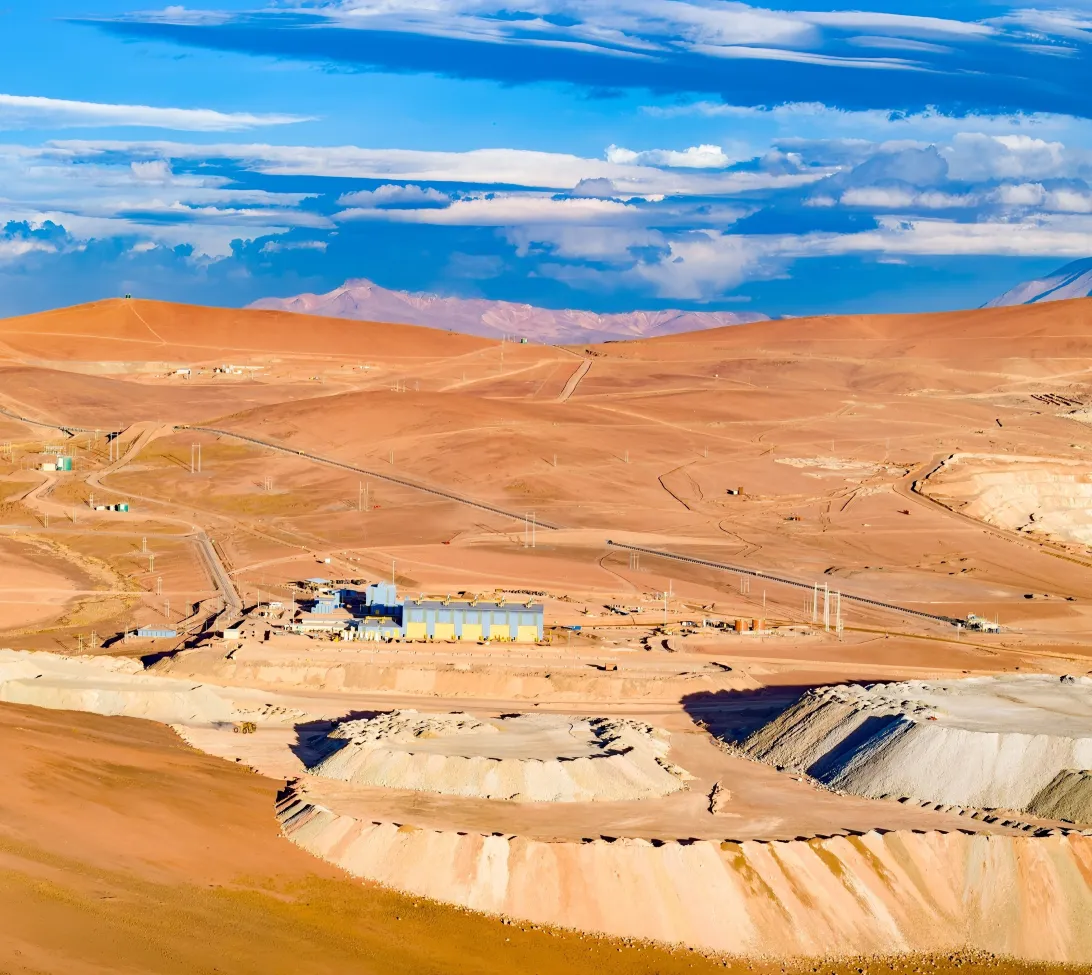
Taken together, the comparative experience reveals shared structural challenges across the region:
- gaps between regulation and execution
- limited technical capacity for remediation
- insufficient financing mechanisms
- persistent difficulties in assigning responsibility for historical environmental damage
These factors translate into higher transaction costs, expanded due diligence requirements, and increased exposure to unforeseen liabilities for economic operators.
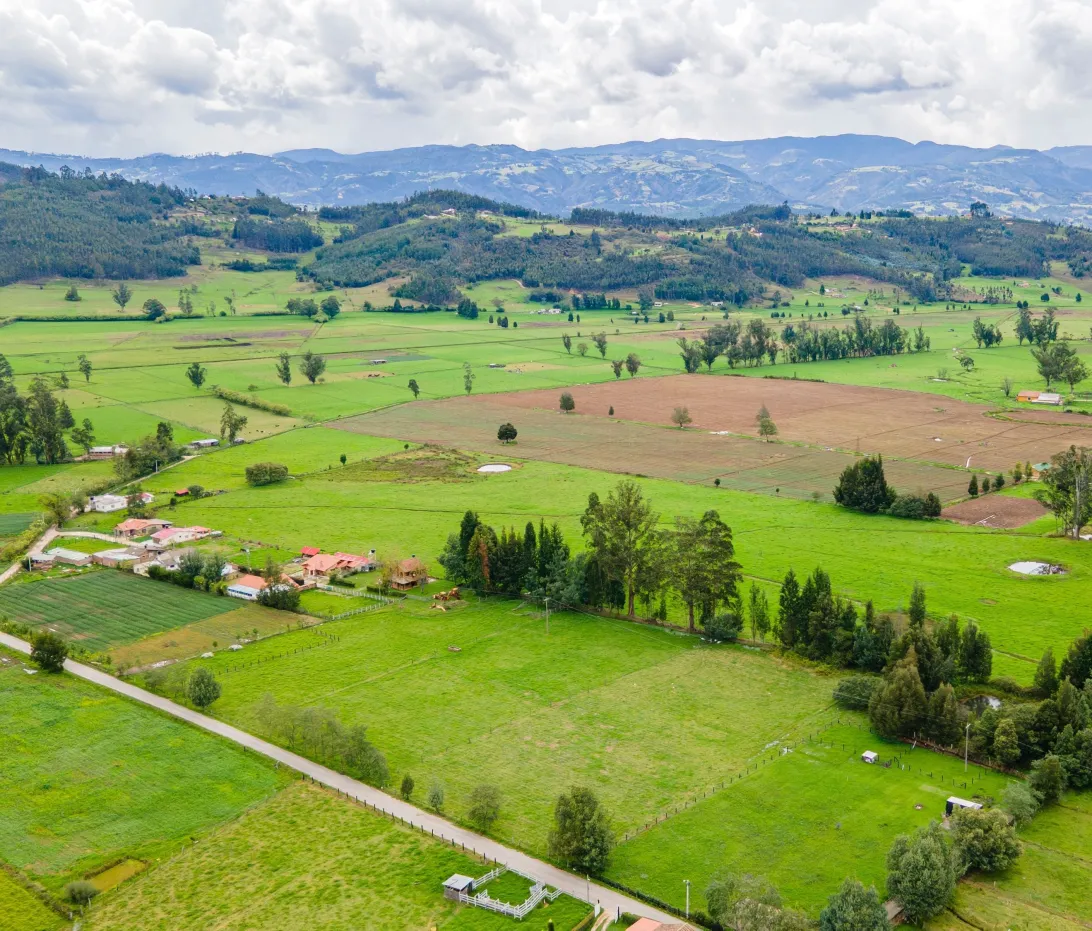
In Colombia, although Law 2327 of 2023 established a general framework for the identification and management of environmental liabilities, the country remains in a pre-operational phase. Key instruments envisioned by the law, such as an effective environmental liabilities registry, fully adopted technical manuals, and nationally consistent methodologies, have yet to be implemented, limiting the law’s practical effectiveness and increasing uncertainty for project planning and land acquisition processes.11
The main challenges include insufficient financial resources for the remediation of complex environmental liabilities, technical difficulties in addressing historically contaminated sites, and territorial conflicts arising from land-use changes that reveal pre-existing contamination. These issues are compounded by slow identification and validation processes by environmental authorities and by unclear responsibility allocation, which increases litigation risks and places additional pressure on the State, while discouraging early intervention by private actors due to the absence of legal safeguards for voluntary remediation.
Despite these challenges, significant opportunities remain. Comparative experiences provide valuable insights for strengthening international cooperation, building technical capacity, and designing public policies grounded in risk-based management. Moreover, institutional strengthening, improved economic incentives, and closer integration with land-use planning processes could transform Law 2327 of 2023 into an effective tool in Colombia for promoting timely remediation, enhanced legal certainty, and meaningful private sector participation.
- María Alejandra Rodríguez-Zapata, César Augusto Ruiz-Agudelo, Environmental liabilities in Colombia: A critical review of current status and challenges for a megadiverse country. Environmental Challenges, Volume 5, 2021, 100377, ISSN 2667-0100, https://doi.org/10.1016/j.envc.2021.100377.
- Ibidem
- Senejoa Quevedo, Laura Natalia & Yara Rodríguez, Sara Isabella, “Evolución de la legislación ambiental sobre pasivos ambientales en Colombia: un análisis de la Ley 2327 en el contexto del Código Nacional de Recursos Naturales Renovables y de Protección al Medio Ambiente”, Master’s thesis in Environmental Law and Management, Universidad del Rosario, Bogotá, 2024.
- Congress of the Republic of Colombia, Law 2327 of 2023, "Por medio de la cual se establece la definición de pasivo ambiental, se fijan lineamientos para su gestión y se dictan otras disposiciones", Colombia, 2023.
- Pereira, Mauricio, “Gestión de pasivos ambientales en América Latina”, Economic Commission for Latin America and the Caribbean (ECLAC), 2021 (in Spanish).
- Ibidem
- Ministry of the Environment of Peru (MINAM), Reglamento del Decreto de Urgencia N.º 022-2020 sobre la identificación y gestión de pasivos ambientales, approved by Supreme Decree No. 009-2023-MINAM, Official Gazette, 2023 (in Spanish).
- Ministry of the Environment of Peru (MINAM), “Perú fortalece la gestión de pasivos ambientales a nivel nacional,” press release, 12 August 2023 (in Spanish).
- National Geology and Mining Service of Chile (SERNAGEOMIN), Mirada de los Pasivos Ambientales Mineros en Chile, Santiago, 2021 (in Spanish).
- Economic Commission for Latin America and the Caribbean (ECLAC), Management of Contaminated Areas in Brazil, United Nations, Santiago, 2010, document code S0800086_es (in Spanish).
- Senejoa Quevedo, Laura Natalia & Yara Rodríguez, Sara Isabella, “Evolución de la legislación ambiental sobre pasivos ambientales en Colombia: un análisis de la Ley 2327 en el contexto del Código Nacional de Recursos Naturales Renovables y de Protección al Medio Ambiente”, Master’s thesis in Environmental Law and Management, Universidad del Rosario, Bogotá, 2024.