

Chile Travelogue
Articles
Travelogues
View more from News & Articles or Primerus Weekly

By Tom Kirvan
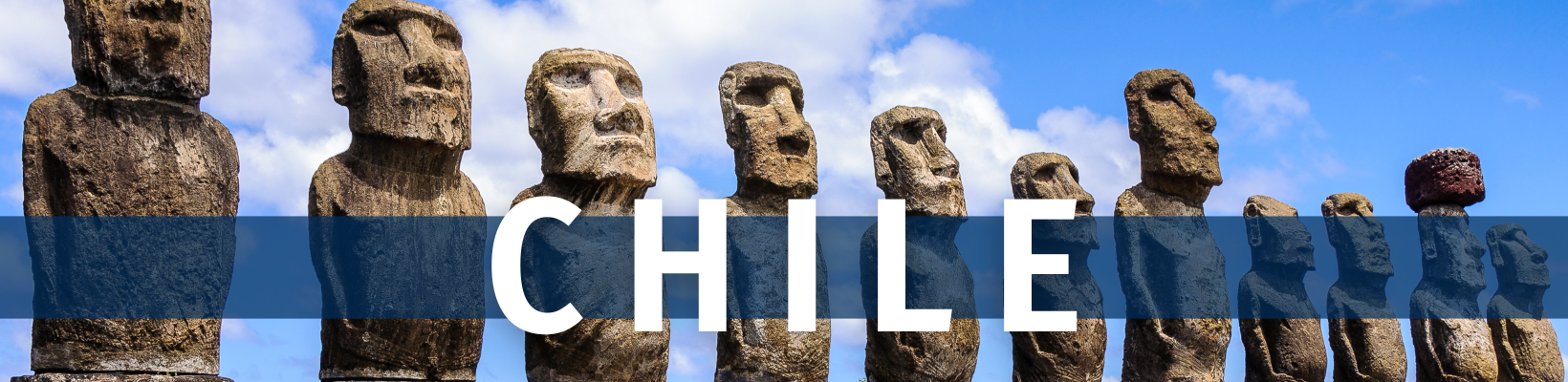
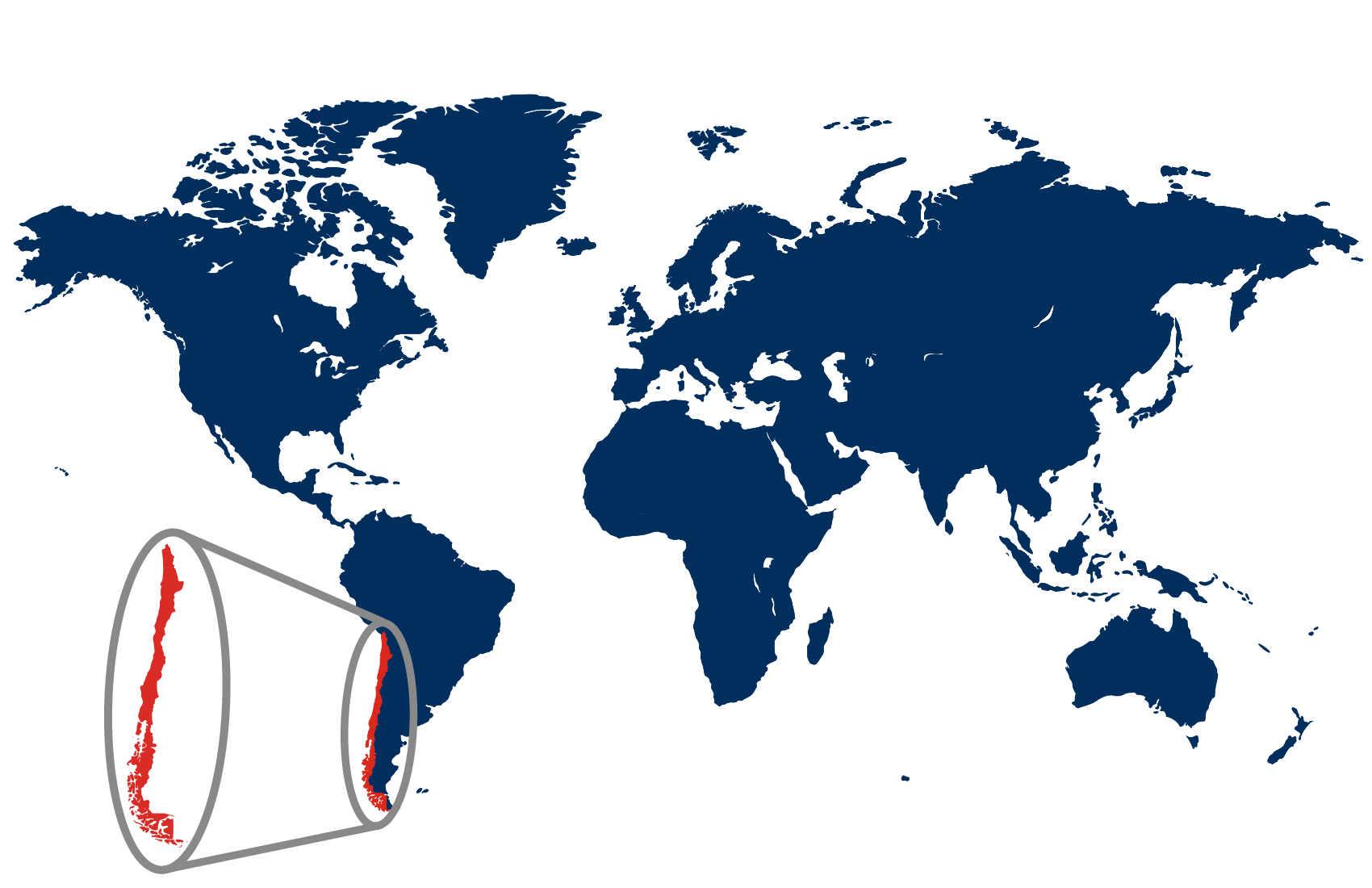
Stretching like a ribbon down the southwestern edge of South America, Chile is a country of staggering natural diversity and captivating cultural depth. With a population of about 19.5 million people, Chile offers a journey through arid deserts, lush valleys, snow-capped peaks, and icy fjords, all within one narrow, 2,670-mile-long territory. From the Pacific Ocean to the towering Andes, Chile is a land of extremes that beckons adventurers, food lovers, history buffs, and dreamers alike.
Chile’s geography is one of its most defining features. It averages only about 110 miles wide but spans nearly 40 degrees of latitude – from the dry Atacama Desert in the north to the windswept glaciers of Patagonia in the south. This unique shape has gifted Chile with an astonishing range of climates, ecosystems, and experiences.
At the country’s center lies its beating heart: Santiago, the capital city. Nestled in a valley surrounded by the Andes and the Chilean Coastal Range, Santiago is a dynamic metropolis where colonial-era churches sit beside glass skyscrapers and street art speaks to the pulse of modern South America. It’s a hub for politics, finance, cuisine, and culture, with easy access to both mountains and beaches for weekend getaways.
Chile is home to the world’s tallest active volcano, Ojos del Salado, which rises to 22,615 feet above sea level. Located in the Atacama region near the Argentine border, Ojos del Salado is not only Chile’s highest point but also the second-highest mountain in the Western Hemisphere. Despite its extreme altitude, it draws climbers from around the world seeking both a challenge and otherworldly views of the high-altitude desert.
Chile’s history is shaped by both indigenous civilizations and European colonization. Before the Spanish arrived in the 16th century, the Mapuche people thrived in central and southern Chile, and they fiercely resisted conquest for more than 300 years. The country gained independence from Spain in 1818, led by national hero Bernardo O’Higgins and Argentine liberator José de San Martín.
In the 20th century, Chile experienced political upheaval, most notably the 1973 military coup that ousted democratically elected President Salvador Allende and brought Augusto Pinochet to power. The transition back to democracy in the 1990s marked a new chapter, and today Chile is one of South America’s most stable and prosperous nations.
Five Must-See Destinations
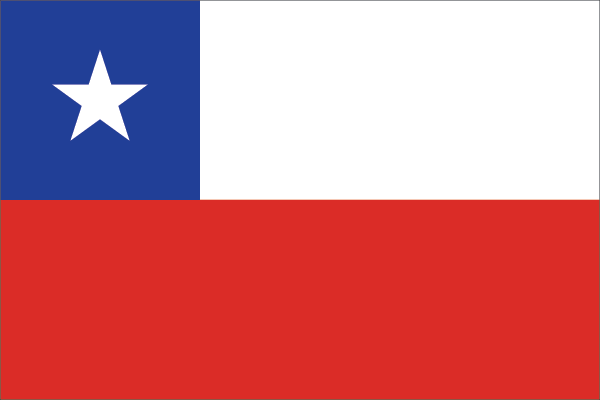
Capital: Santiago
Population: 19.5 million
Highest point: Ojos del Salado (22,615 feet)
Language: Spanish
Religions: Catholicism and Protestantism
Primerus Member: Magliona Abogados
Magliona Abogados, a full-service business law firm located in Santiago.