concerning commercial transactions
between Panama and the U.S.:
Panama and the U.S. is constant.
Products are imported and exported
from and to both countries constantly.
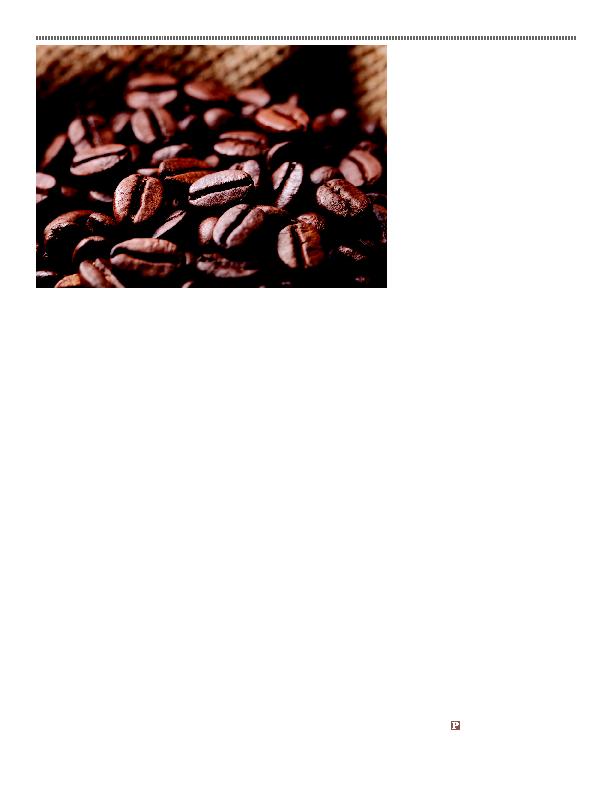
Sugar, coffee and all kinds of products
of the sea are some of the popular
items which Panama usually exports
to the U.S.
strong commercial exchange with
U.S. companies.
clients of the Panama Canal.
Panama will enjoy the following advantages
once the Agreement is implemented:
with a Free Trade Agreement is much
stronger than with the multilateral
rules established in the World Trade
Organization, since a wide space exists
in the multilateral framework used
for applying undercover restrictions
in commercial transactions. Such
restrictions may be avoided through
a Free Trade Agreement.
restrictions for investments creates a
positive environment for growth and for
business and related activities.
and economic activities between
Panama and the U.S., the Free Trade
Agreement enables Panama to be
in a better position for exporting
products to a country with more
than 300 million inhabitants, and
allows Panamanians the possibility
of enjoying products from the U.S. at
lower prices.
consider establishing in Panama in
order to take advantage of the benefits
Panama shall gain by the ratification
of this Agreement.
Certainly, a Free Trade Agreement
with the U.S. is a valuable tool of com-
mercial policies to promote commerce
between the U.S. and Panama and to gen-
erate economic growth and development.
However, agreements are not by them-
selves the solution to all the problems;
instead, they are an important piece of the
macroeconomic politics of the country.
The ratification of this Agreement
brings positive expectations to certain
sectors of the country; however, the
agricultural sector is concerned about the
benefits this Agreement may bring since
they are not prepared for its implementa-
tion in Panama.
might be able to compare themselves
positively to the productivity of the U.S.'s
agricultural sector, which enjoys consid-
erable subsidies and other benefits from
the government, making many products
extremely competitive.
A large amount of products from the
U.S. will not have tariffs to pay upon
the implementation of the Agreement,
leaving Panamanian producers with a
short time to manage how they are going
to compete with the products imported at
more accessible prices.
In reply to such concern, Panama-
nian authorities have already considered
the development of a logistic in ports,
airports, streets, customs and migration
in order to make the country a place in
which products can be manufactured
and produced at low prices to be more
competitive and for exporting to the U.S.
as well.
The Panamanian Government must
keep supporting the small entrepreneurs,
especially in the agricultural sector, in
the areas of finance, education, technol-
ogy, and development of their processes
in order to be able to profit from the ad-
vantages of the possible benefits that the
Free Trade Agreement creates, increase
their possibilities to compete, and access
the new market.
The main challenge for Panama will
be the adaptation of the agricultural sec-
tor to be more competitive and capable
of selling quality products at the level of
countries that can produce at lower costs.
The implementation of this Agreement
has several benefits for Panama as well
as several challenges, and the positive or
negative form of acceptance of them shall
depend on how it is evaluated. The truth
is that for the effectiveness of agreements
of this type, both countries must receive
benefits from them at the same scale or
at least at a very similar scale. We will
only be in the position to determine if the
Agreement was positive or negative for
Panama when enough time has passed
and the effects of the Agreement can be
appreciated in all sectors of the local
economy.