

Mexico City, Mexico Travelogue
Articles
Travelogues
View more from News & Articles or Primerus Weekly

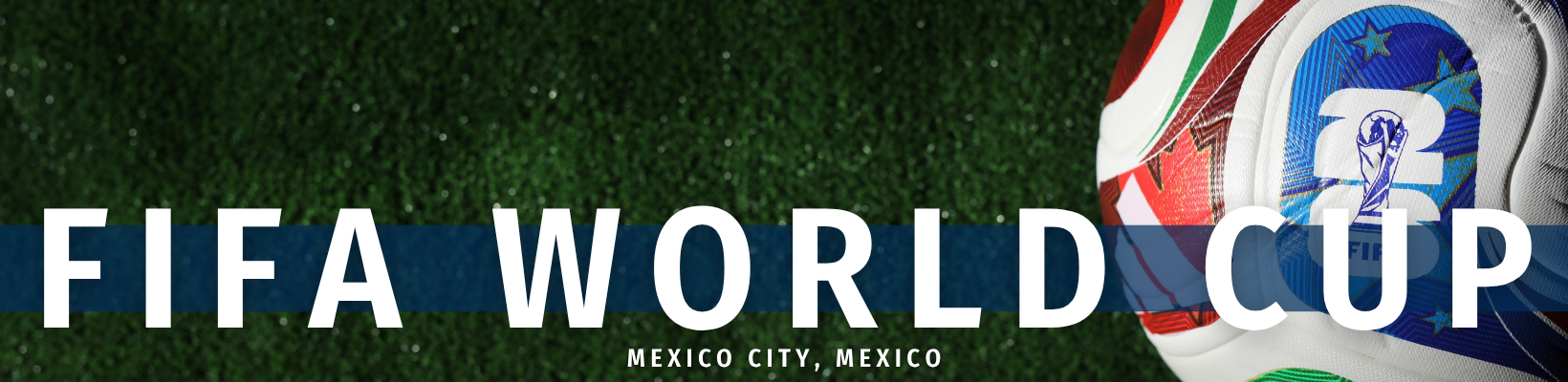
1 Djem / Shutterstock.com
By Tom Kirvan
Mexico City rises from the ancient basin of the Valley of Mexico with a kind of defiant grandeur – an urban sprawl built atop the ruins of empires, now preparing to welcome the world once again.
On June 11, when Mexico faces South Africa in the opening match of the FIFA World Cup, the city will lean into its long tradition as a global stage, echoing memories of another moment when all eyes turned there: the 1968 Summer Olympics, hosted in the very same high-altitude capital of Latin America.
Home to more than 9 million people within the city proper, and over 21 million in its greater metropolitan area, Mexico City is one of the largest and most dynamic urban centers on Earth. Its geography is both dramatic and defining. Situated at an elevation of roughly 7,350 feet above sea level, the city rests in a high-altitude basin ringed by mountains and volcanoes, including the towering Popocatépetl and Iztaccíhuatl. This elevation gives the air a thin crispness, a factor that has historically challenged athletes, including those who competed in the 1968 Olympics and those who will take the field in the 2026 World Cup opener.
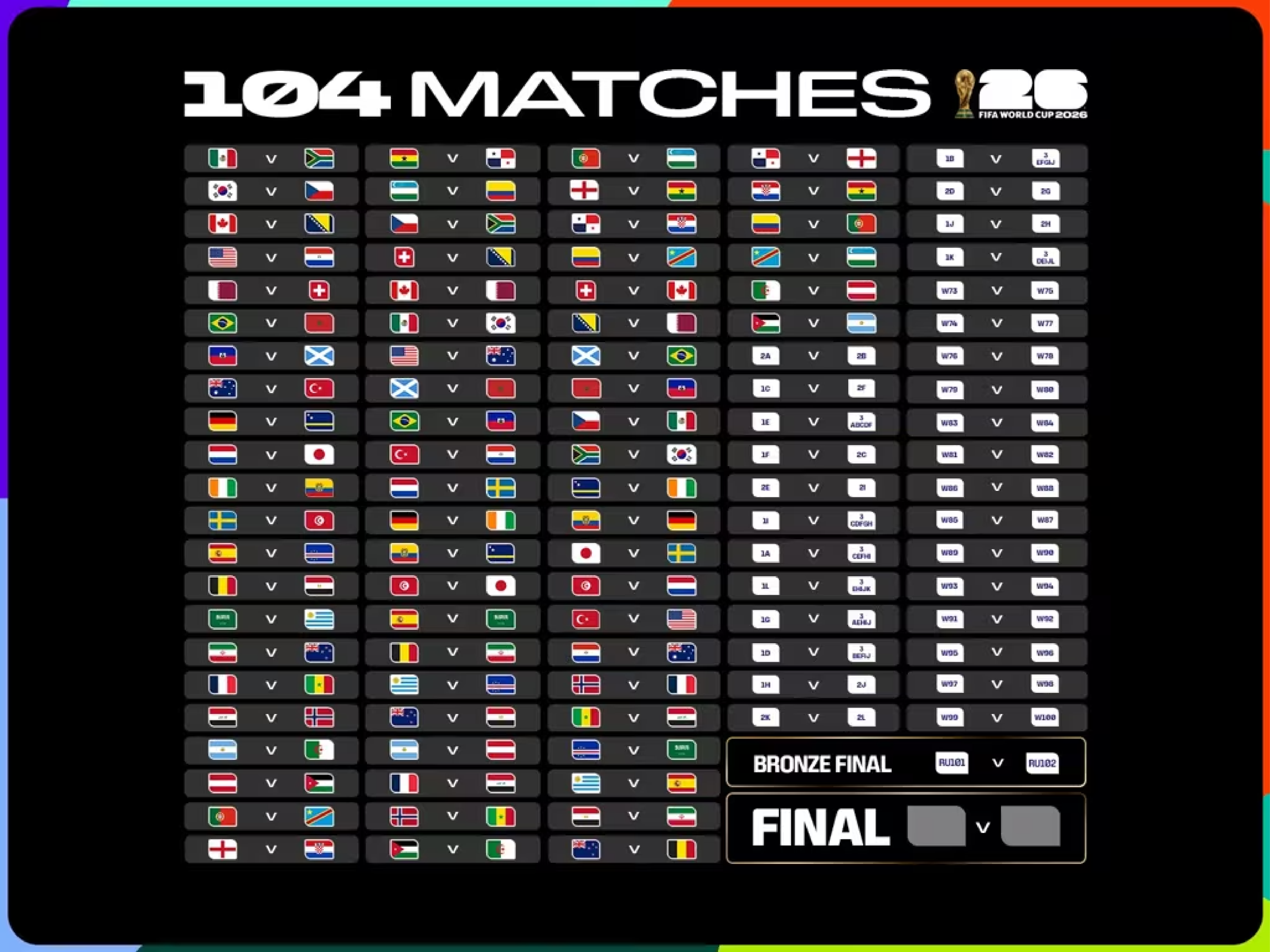
2 FIFA World Cup 2026™ 104 Matches
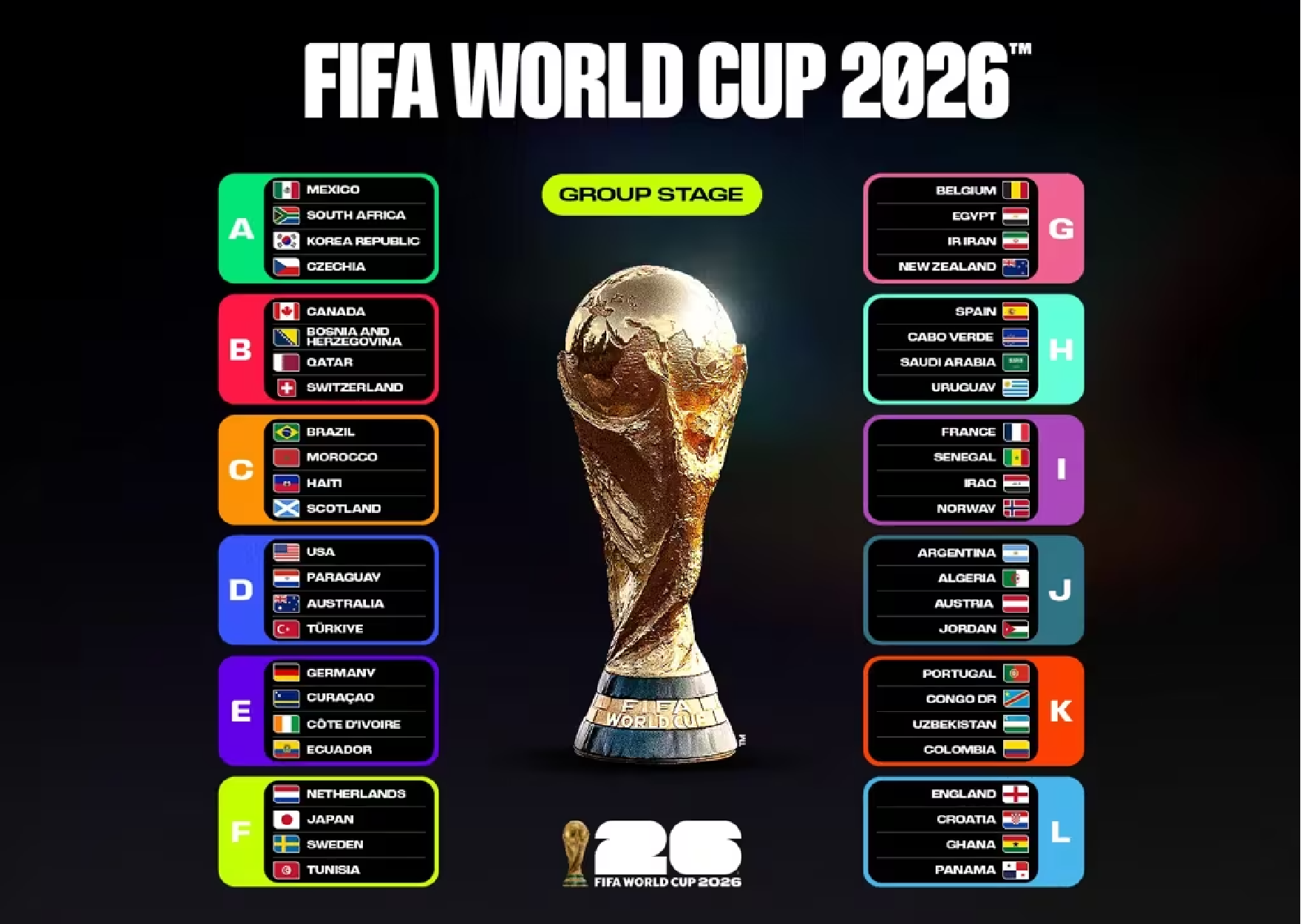
3 FIFA World Cup 2026™ Group Stage fixtures
Long before Spanish conquistadors arrived, Mexico City was known as Tenochtitlán, the capital of the Aztec Empire, built on an island in Lake Texcoco. Today, that legacy lives beneath the modern streets, quite literally, as archaeological discoveries continue to surface beneath colonial and contemporary structures alike.
Visitors arriving for the World Cup will find a city that rewards curiosity and stamina. Among its many landmarks, five stand out as essential stops.
First is the Zócalo, one of the largest public squares in the world and the historical heart of the city. Here, the Metropolitan Cathedral looms beside the ruins of the Templo Mayor, symbolizing the collision of civilizations that defines Mexico City’s identity.
A short walk away lies Chapultepec Park, a vast green expanse larger than New York’s Central Park. Within it sits Chapultepec Castle, perched on a hill with sweeping views of the city. The former imperial residence, and now a national museum, tells Mexico’s story through artifacts and art.
Art lovers will gravitate toward the Frida Kahlo Museum, known as La Casa Azul, located in the bohemian neighborhood of Coyoacán. It offers an intimate glimpse into the life of one of Mexico’s most iconic artists surrounded by vibrant colors and deeply personal works.
Equally compelling is the Palacio de Bellas Artes, a cultural jewel known for its stunning Art Nouveau and Art Deco architecture. Inside, murals by Diego Rivera and other masters bring Mexico’s revolutionary history to life, while performances of ballet and opera continue to animate the space.
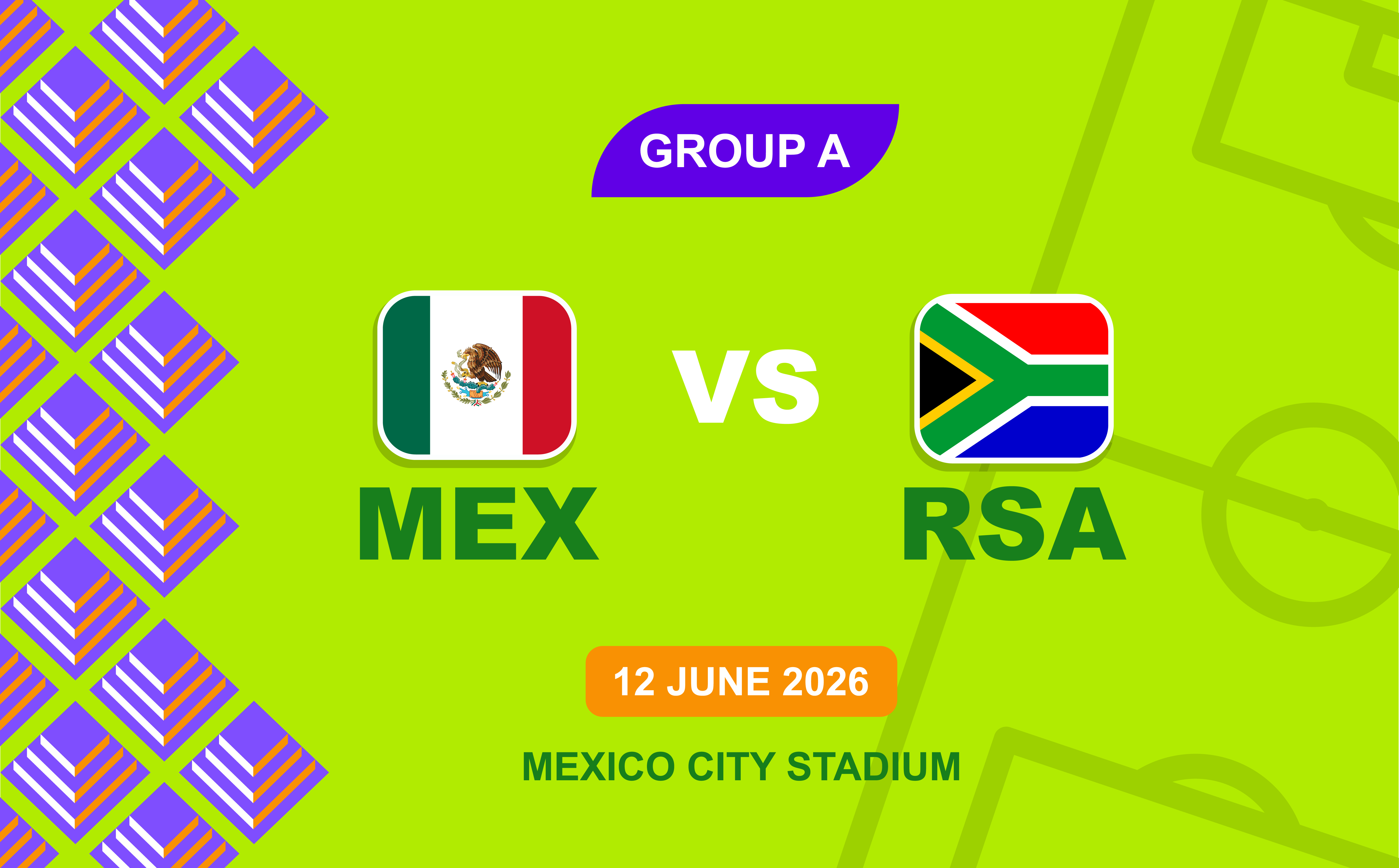
4 Crative Studio Design / Shutterstock.com
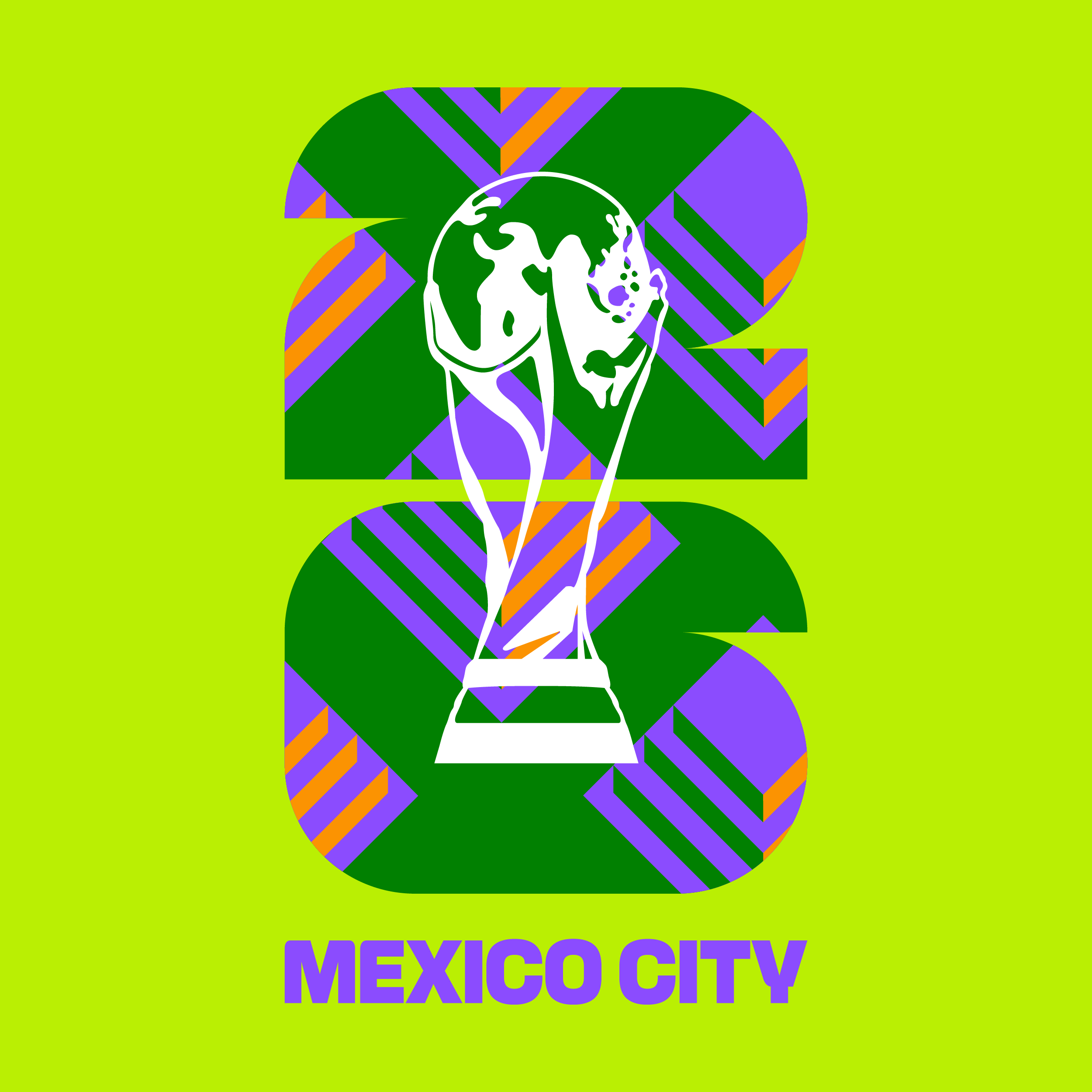
5 Tariq_Mahmud_Naim / Shutterstock.com
Finally, no visit is complete without a trip to Teotihuacán, just outside the city. Though technically beyond the city limits, this ancient Mesoamerican city – with its massive Pyramid of the Sun and Pyramid of the Moon – offers a humbling reminder of the civilizations that flourished long before modern Mexico City emerged.
As the World Cup begins, the Estadio Azteca – one of the most storied stadiums in soccer history – once again takes center stage. It is the only stadium to have hosted two previous World Cup finals (in 1970 and 1986), and now it adds another chapter as the stage of a World Cup opener. Long considered a “temple of football,” the Estadio Azteca has a seating capacity of 87,000.
Mexico is co-hosting the 2026 tournament with the United States and Canada, with the World Cup final to be played on July 19 at MetLife Stadium on the outskirts of New York.
Other World Cup host cities in Mexico include Guadalajara and Monterrey, while Toronto and Vancouver will be the site of matches in Canada. Host cities in the U.S. include Atlanta, Dallas, Houston, Los Angeles, Miami, San Francisco, Boston, Kansas City, Philadelphia, Seattle, and New York.
Primerus has a member law firm in Mexico, Cacheaux Cavazos & Newton (CCN) offering a broad range of legal matters, including international trade, investment, industrial markets, services and products. CCN has locations in Mexico City, Juárez, Matamoros, Monterrey, Queretaro, Reynosa, Tijuana, and Zapopan.
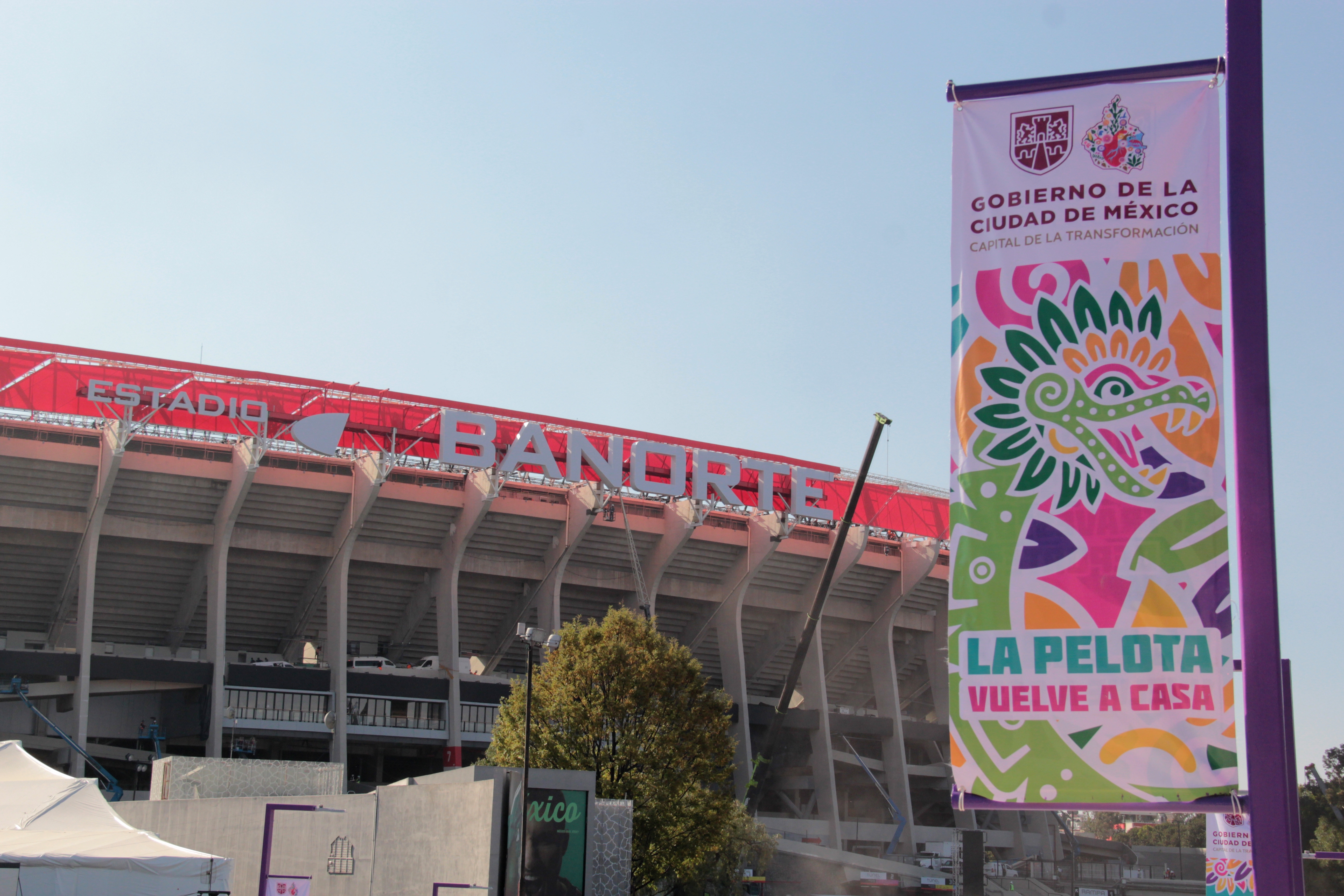
6 Arlette Lopez / Shutterstock.com
More information about the FIFA World Cup 2026™ can be found at: https://www.fifa.com/en/tournaments/mens/worldcup/canadamexicousa2026
Image Credits:
Djem (2026 February 18). Official FIFA World Cup 2026™ match ball. Minsk, Belarus [Photograph]. Shutterstock. Retrieved June 3, 2026 from Shutterstock
FIFA World Cup (2026). Full World Cup match schedule [Infographic]. FIFA World Cup 2026™. Retrieved June 3, 2026 from https://www.fifa.com/en/tournaments/mens/worldcup/canadamexicousa2026/articles/match-schedule-fixtures-results-teams-stadiums
FIFA World Cup (2026). FIFA World Cup 2026™ Group Stage fixtures [Infographic]. FIFA World Cup 2026™. Retrieved June 3, 2026 from https://www.fifa.com/en/tournaments/mens/worldcup/canadamexicousa2026/articles/match-schedule-fixtures-results-teams-stadiums
Crative Studio Design (2026 January 14). Football World Cup 2026 Mexico vs South Africa group stage match fixture banner. Jakarta, Indonesia [Infographic]. Shutterstock. Retrieved June 3, 2026 from Shutterstock
Tariq_Mahmud_Naim (2026 January 13). FIFA World Cup 2026™ Mexico Match Location Emblems. Monterrey, Guadalajara, Mexico City [Infographic]. Shutterstock. Retrieved June 3, 2026 from Shutterstock
Arlette Lopez (2026 March 26). Mexico City, Mexico: Estadio Banorte is the new name of the historic Estadio Azteca in Mexico City, after its renovation for the 2026 FIFA World Cup [Photograph]. Shutterstock. Retrieved June 3, 2026 from Shutterstock