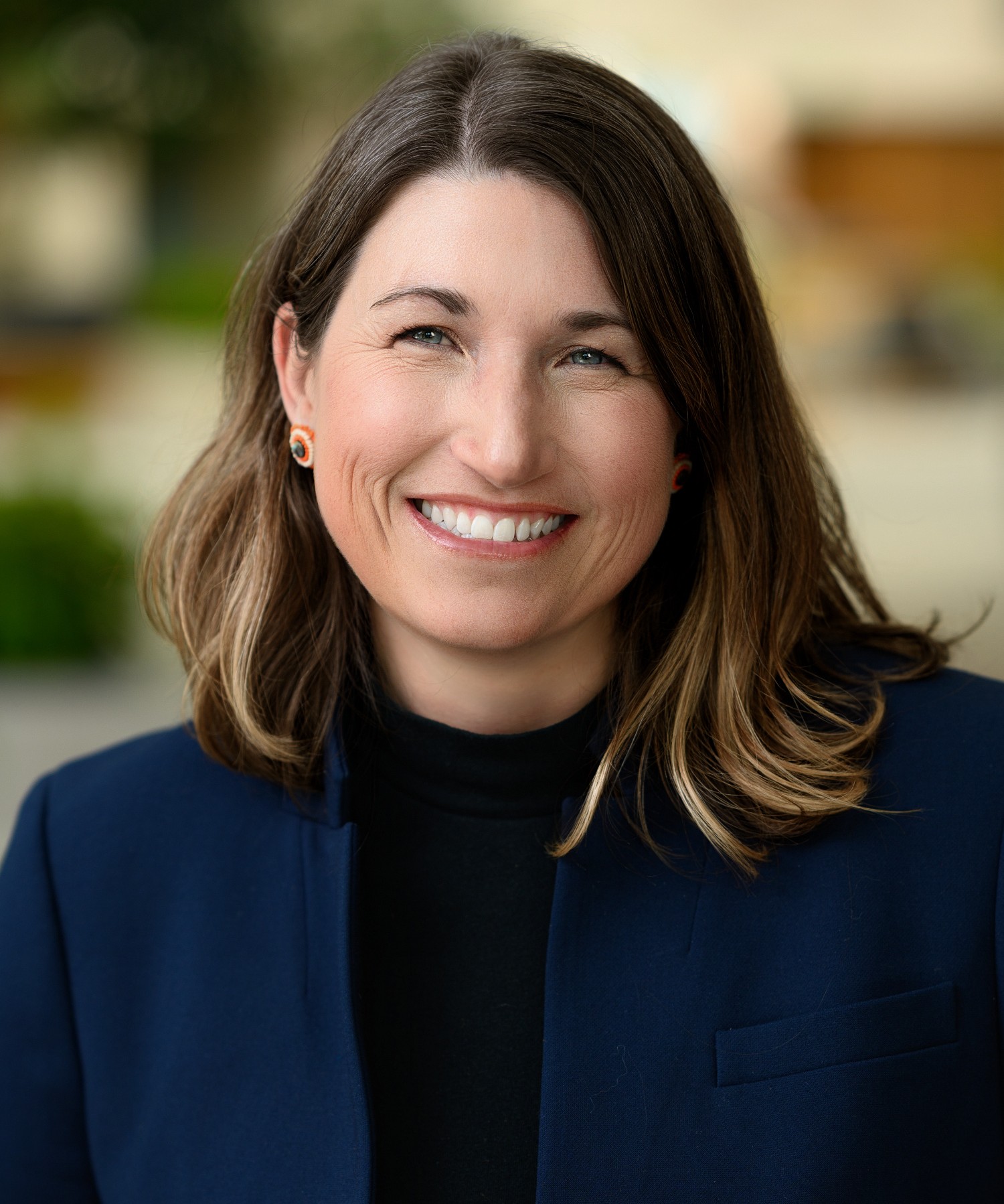
Alaska attorney helps clients find their best path forward
Articles
Spotlight
View more from News & Articles or Primerus Weekly

By Brian Cox
Leslie Need attributes her practicing law in Anchorage, Alaska, in part to her early interest in history and in part to pure kismet.
A native Kansan who studied law at The University of Tulsa, Need was introduced to opportunities in the 49th state through a fellow law student who was from Alaska and told her about a summer program where Need could study Alaska Native and Environmental Law. Need was accepted into the program and spent the summer working at the Alaska Bar Association on access to justice initiatives, gaining her first real exposure to the state’s legal community.
When Need returned from the experience to finish her third year, the seed of practicing law in Alaska had been planted. Later, Need told a law professor that she was entertaining the idea of working in Alaska and it so happened that he had recently vacationed there and made a connection to a local attorney.
“Would you like me to put you in touch with him?” asked the law professor.
“Sure,” said Need.
That attorney, as it turned out, worked at the Attorney General's Office and the course that would lead Need to Landye Bennett Blumstein LLP (LBB) in Anchorage was set.
Need grew up in Kansas, splitting her childhood between south central Kansas and the oil patch town of Russell, where her father worked in the oil industry. Her mother, a medical technologist, spent her career in labs. Her sister became a meteorologist. Between them, Need says, she was surrounded more by science than law. Need, by contrast, gravitated toward reading, writing, and history – interests that would eventually point her toward both teaching and law.
At Kansas State University, where she followed two generations of family before her, Need initially studied anthropology and museology before shifting into history and secondary education. She spent a brief period teaching high school history and coaching. It was a formative experience, if not a permanent one. Teaching, she found, requires a particular kind of patience and instinct – something she admired, even if she ultimately decided it wasn’t her path.
At the same time, the profession itself was changing. The No Child Left Behind era brought new mandates and pressures, particularly in smaller school districts with limited resources. Need began considering graduate school, thinking a master’s degree in history might position her to return to teaching later.
Law school entered the picture almost incidentally. She took the LSAT with only modest planning, drawn by the overlap with skills she already enjoyed – reading, writing, and speaking. When she was accepted into The University of Tulsa College of Law, she decided to go.
“I have viewed law as a helping profession,” Need says. “If you're not a regular user of the legal system, it can be scary, stressful, and intimidating. I work hard to shift that experience into something that feels a little bit gentler.”
In law school, she gravitated toward Federal Indian Law, drawn by its historical foundation and its potential for meaningful, community-centered work. Tulsa’s program, along with a certificate in Federal Indian Law, provided a strong base for what would later become an important part of her practice in Alaska.
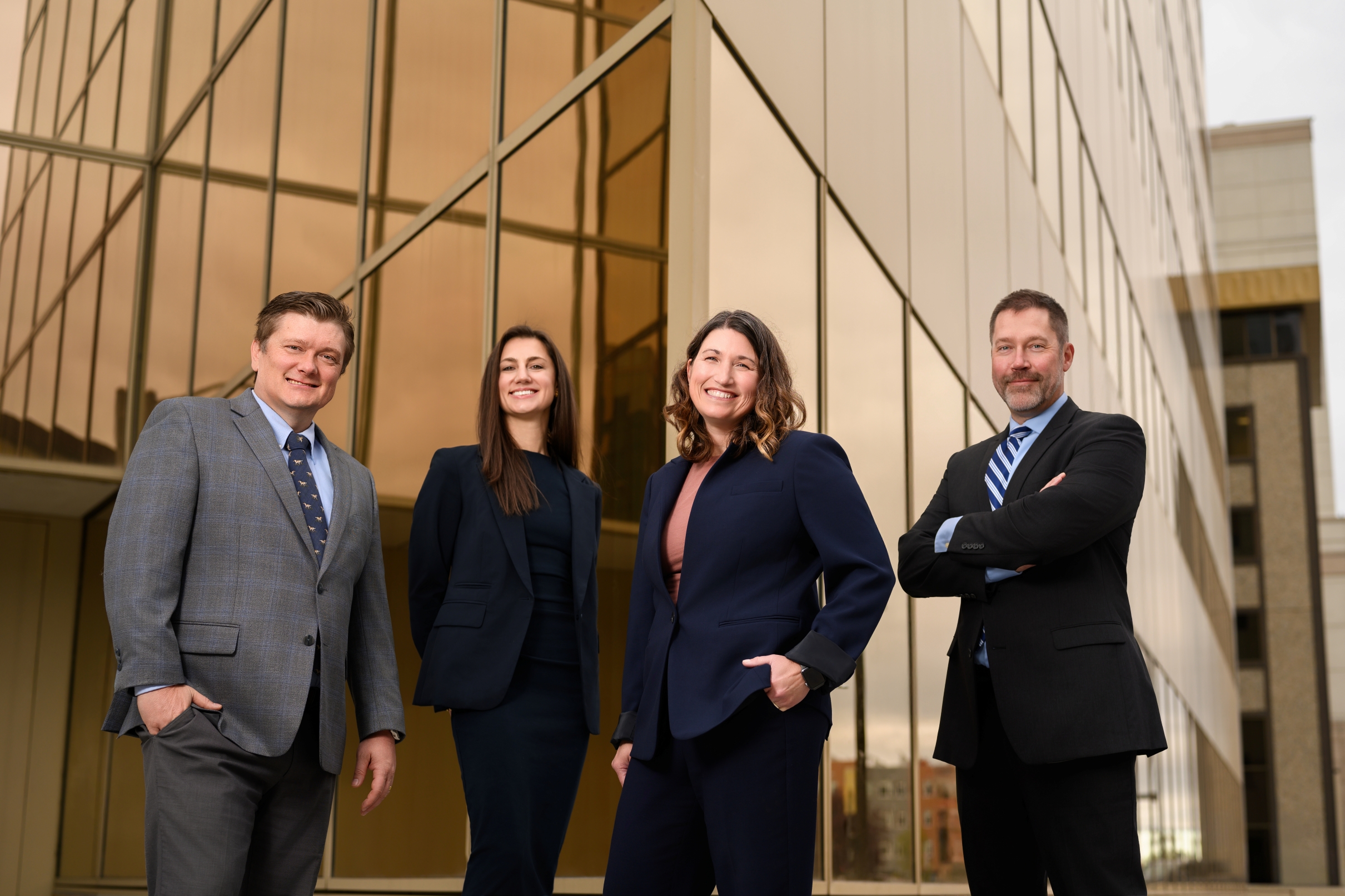
Through a legal clinic serving citizens of the Muscogee Creek Nation, Need found the kind of interaction that would come to define her approach to practice. Clients came in with problems that were sometimes complex and stressful and left with some clarity, or at least a path forward.
She liked that. She liked the sense that she could help someone unburden themselves, the same way an accountant could help an individual with a complicated tax question. And she liked the tangible nature of the work: the ability to see, in concrete terms, how legal guidance could make a difference.
“I like feeling that I’ve done something measurable for a client,” she explains. “That I’ve helped move the needle for them as they struggled with a problem.”
After earning her J.D., Need and her husband, Harry, whom she had met in law school, made the move to Alaska. Her connection with the attorney in the Attorney General’s Office led to an interview and then a clerkship with Alaska Superior Court Judge Vanessa White.
Need describes Judge White as a mentor who was both a careful editor and a genuinely kind person.
Judge White also provided Need with guidance on where to go next with her career.
With her knowledge of the Court system and eagerness to be in the courtroom, she took a position with the Alaska Attorney General’s Office in the Child Protection Section. There, she worked extensively with the Indian Child Welfare Act, drawing directly on her law school training.
The work was meaningful but also demanding. It required a level of emotional resilience that she recognized might not be sustainable for her long term. After about a year, she transitioned to a clerkship with Magistrate Judge John D. Roberts at the United States District Court in Anchorage, Alaska where she spent three and a half years handling mainly a mix of maritime cases and habeas petitions – areas she had not formally studied but learned through practice.
“Alaska is a little bit more merit-based than some places,” says Need, explaining that hard work is valued more than a last name.
The experience reinforced her preference for being a generalist. At LBB, where she joined in 2013, that preference aligns well with the firm’s approach.
Need’s practice today is roughly divided into thirds. One portion is general corporate work, often serving as general counsel for nonprofits and cooperative organizations. Another focuses on municipal clients – smaller cities and boroughs that rely on outside counsel for governance and operational questions. The final third includes litigation and a range of other matters, from business disputes to work involving Alaska Native organizations and Tribes.
The variety, she says, is part of what keeps the work engaging. One day may involve diving into the technical details of a specific industry; the next might include advising a municipality or helping a client navigate a narrow regulatory question.
Equally important is the collaborative nature of the work. Need describes the attorney-client relationship not as a one-directional exchange of advice, but as a process of learning together – identifying the legal framework, exploring options, and determining the best path forward.
That approach is especially significant in Alaska, where much of her work involves rural communities, tribal entities, and organizations operating in challenging environments. Whether addressing logistical issues in remote regions, supporting organizations affected by regulatory changes, or advising on governance matters, the legal questions she works to answer are often intertwined with broader social and economic realities.
Years earlier, during her clerkship, Judge White had advised Need to prioritize fit and fulfillment over any single practice area. The insight was a pearl of wisdom that Need took to heart.
At LBB, she has found a workplace that values not only professional development but also the idea of being a “whole person.” Colleagues are encouraged to engage in their communities, pursue interests outside of work, and maintain balance – an approach that reflects the rhythms of life in Alaska itself.
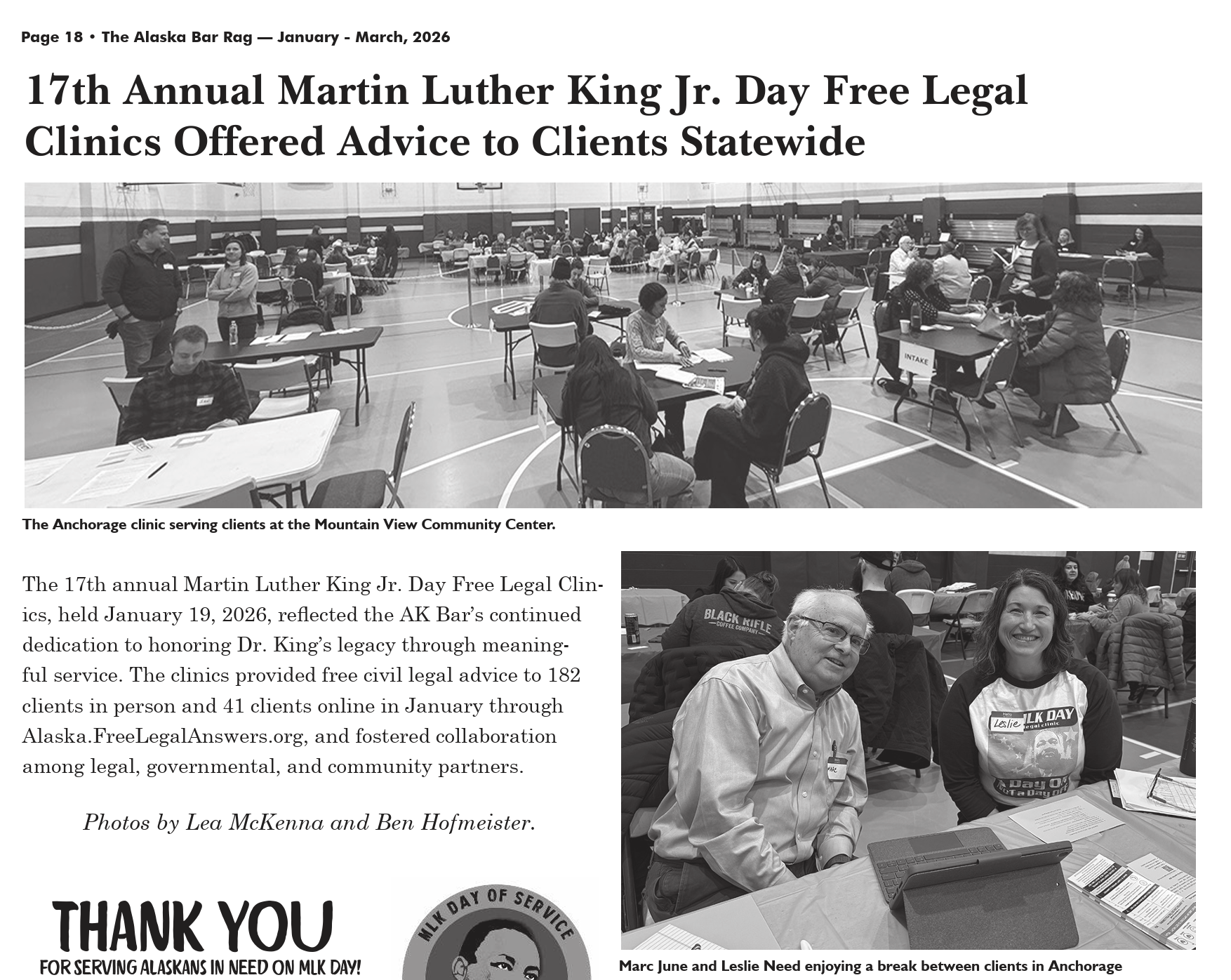
“People work hard so that they can spend their late afternoons and evenings outside,” says Need. “Everybody here is doing something on the weekends or in the evenings, either outdoors or volunteering in the community.”
For Need, that includes serving on the boards of the Anchorage Museum Association and the Anchorage Ski Club, a nonprofit that operates Arctic Valley Ski Area, which has played a central role in her family’s community. She and Harry, along with their young son, William, spend much of their time outdoors – running, skiing, canoeing, and exploring the state they call home.
“Being outside or being active was always a part of my growing up,” Need says. “A connection with the outdoors has been key to maintaining a healthy lifestyle during the cold and dark months.”
Anchorage, she adds, is a place where people are eager to help newcomers find their footing.
“Everybody here is eager to make newcomers welcome and people are really generous about helping you find your place to fit in with your community.”
It is, in many ways, the same spirit she tries to bring to her practice: an openness, a willingness to help, and a focus on making complex systems feel more navigable. The law firm prioritizes forming client-attorney relationships that work more like partnerships so that a client is never hesitant to call or feels communicating with their lawyer is difficult.
“I think it's really important when you're providing legal help to somebody for it to be accessible,” says Need. “And I think that that's something I've really tried to do in helping people figure out difficult questions.”