

New Orleans Mardi Gras Travelogue
Articles
Travelogues
View more from News & Articles or Primerus Weekly

By Tom Kirvan
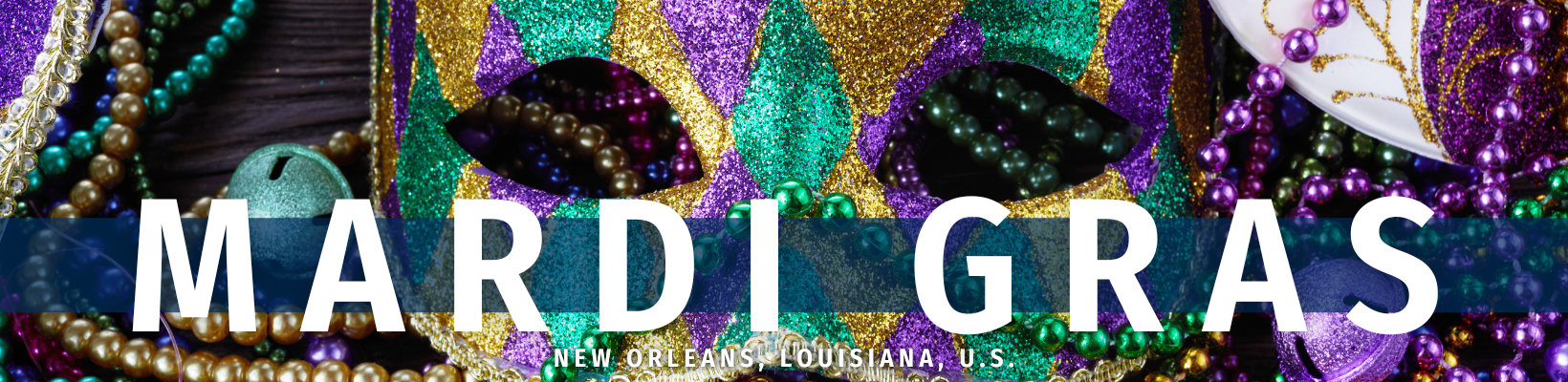
Every year, New Orleans bursts into even more color, music, and spectacle than usual as Mardi Gras reaches its climax on Fat Tuesday (this year on February 17). Known locally as “the greatest free show on earth,” Mardi Gras is not a single-day event but the culmination of weeks of celebrations that transform the city into a living festival. On Fat Tuesday, the revelry peaks, marking the final day of indulgence before the Christian season of Lent begins the following day, Ash Wednesday.
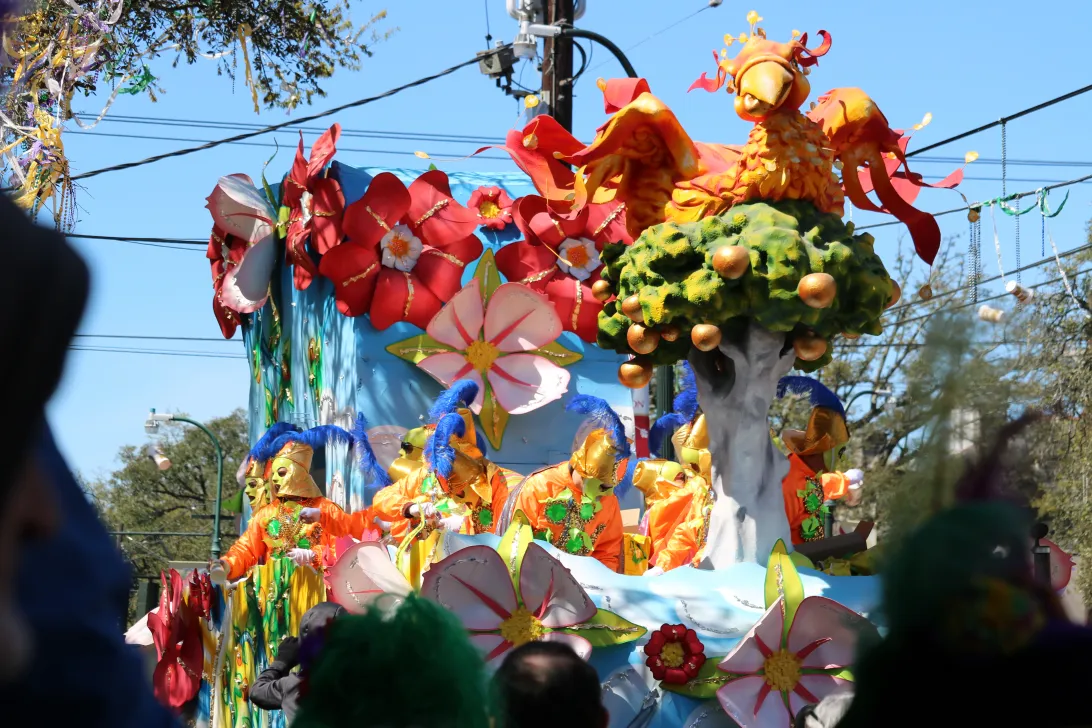
Mardi Gras in New Orleans is defined by its colorful and sometimes raucous parades, organized by social clubs known as krewes. These krewes, some dating back more than a century, design elaborate floats, choose annual themes, and shower parade-goers with beads, cups, and other signature throws. Famous parades such as Rex and Zulu roll through the streets on Fat Tuesday, drawing massive crowds who line the major routes and neighborhood corners alike. Brass bands, marching groups, masked riders, and costumed participants create an atmosphere that is uniquely New Orleans: celebratory, theatrical, and communal.
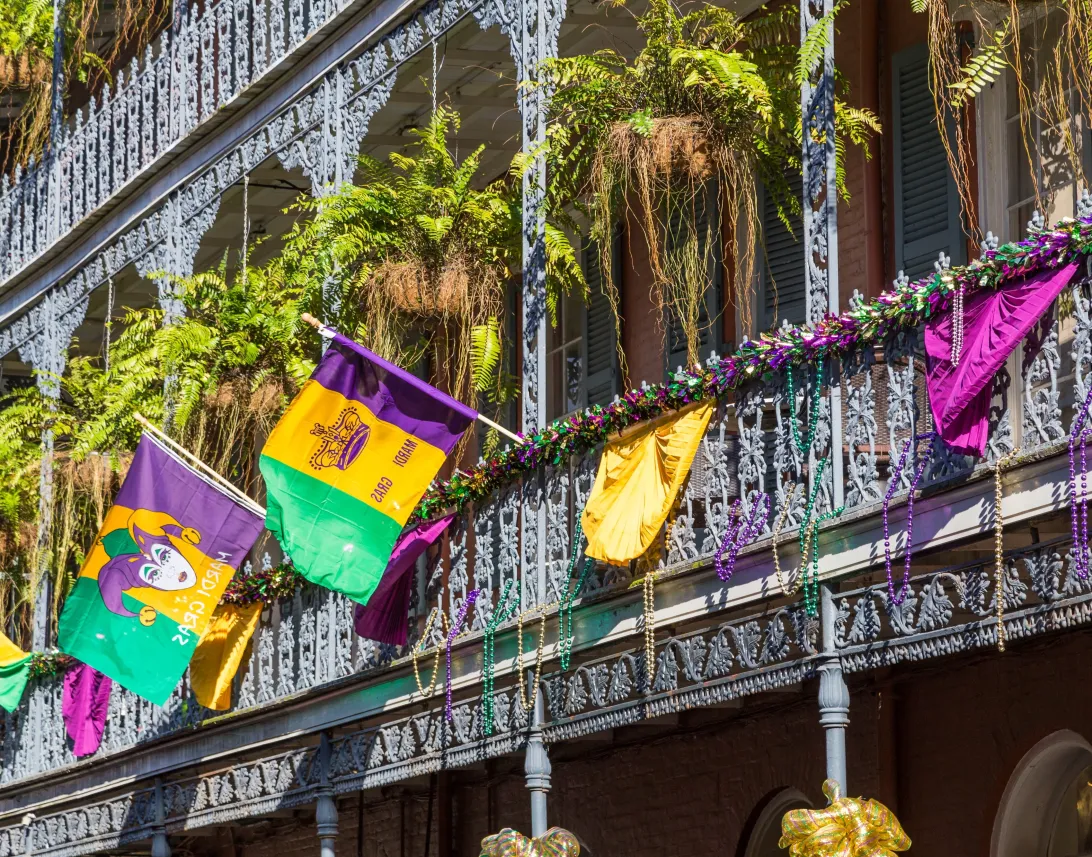
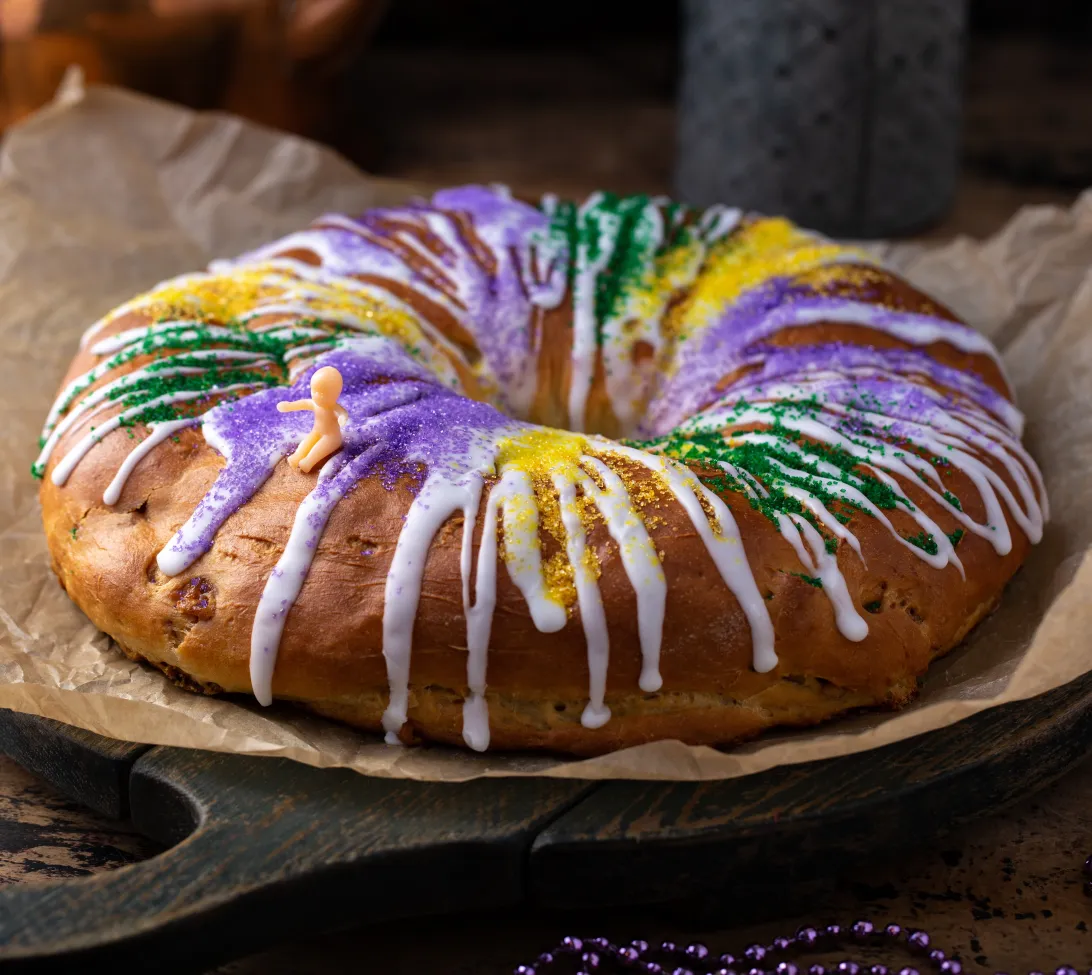
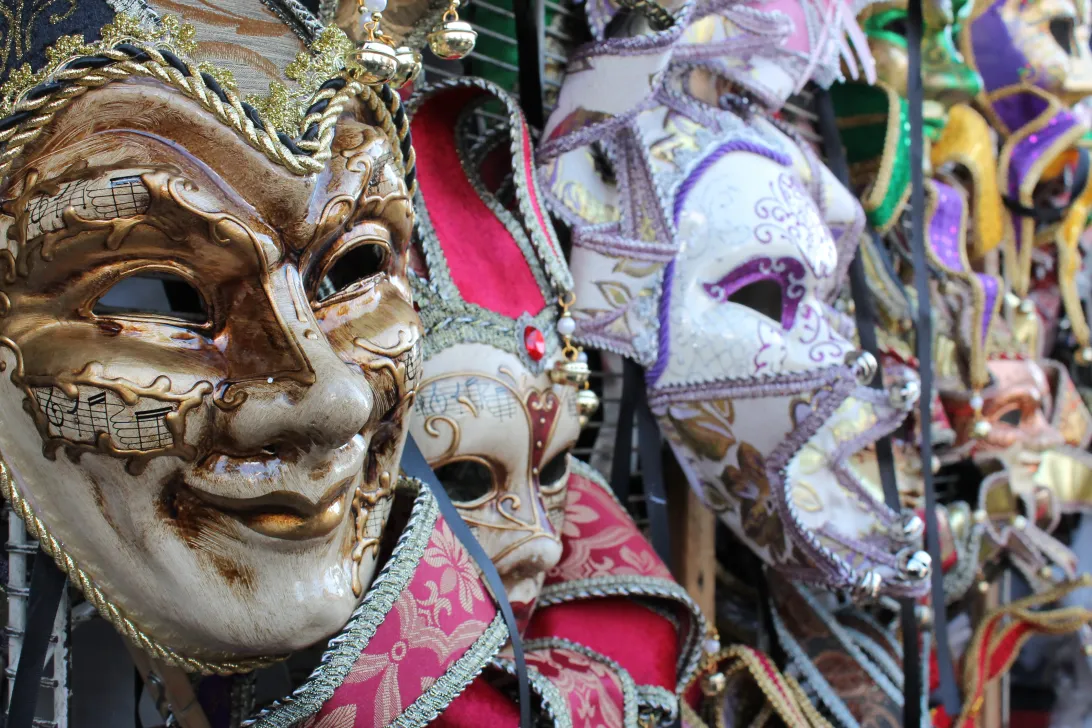
Beyond the parades, Mardi Gras is filled with traditions that reflect the city’s cultural blend. Masking and costuming allow people to step outside everyday roles, while music – jazz, funk, brass, and bounce – fills the air from street corners to dance halls. King cake, a cinnamon-filled pastry decorated in purple, green, and gold, is a staple throughout the season, symbolizing the festival’s blend of faith and festivity. Neighborhood celebrations, balcony gatherings, and impromptu street parties ensure that Mardi Gras is experienced across the entire city, not just in tourist-heavy areas.
The history of Mardi Gras in New Orleans dates back to the early 18th century, rooted in French Catholic traditions brought to Louisiana by early settlers. Over time, the celebration evolved, shaped by African, Caribbean, and American influences. The formation of organized krewes in the 19th century helped formalize parades and rituals, while also reinforcing social structures within the city. In response, African American communities created their own traditions, including the Zulu Social Aid & Pleasure Club parade and the Mardi Gras Indians, whose intricate hand-sewn suits and chants honor both African heritage and Native American alliances.
While an annual tradition, Mardi Gras has been canceled about a dozen times, most notably during the Civil War, World War I, and World War II, though revelers also stayed home in the aftermath of Hurricane Katrina and during the COVID-19 pandemic.
Today, Mardi Gras is one of the most popular festivals in the United States, attracting more than a million visitors each year. While tourism plays a major role, Mardi Gras remains deeply local at heart. Many residents mark the season with family traditions, neighborhood gatherings, and lifelong krewe memberships. Schools close, offices adjust schedules, and the rhythm of daily life bends around the celebration, reinforcing Mardi Gras as a defining part of the city’s identity rather than a performance staged solely for visitors.
The economic impact of Mardi Gras on New Orleans is substantial. The festival generates hundreds of millions of dollars annually through tourism, hotel stays, restaurant and bar sales, transportation, and retail spending. Thousands of temporary jobs are created in hospitality, event production, security, and sanitation. At the same time, krewes invest heavily in float construction, costume design, and local artisans, supporting creative industries year-round. Even beyond the official season, Mardi Gras’ branding and traditions help sustain New Orleans’ global reputation as a cultural capital.
At its core, Mardi Gras is a celebration of resilience, creativity, and community. It reflects New Orleans’ ability to honor tradition while continually reinventing itself. On Fat Tuesday, as the final parades roll and the city prepares for Lent, Mardi Gras leaves behind more than confetti and beads – it reinforces the spirit of a city that knows how to gather, celebrate, and endure together.
Primerus has a defense member law firm in New Orleans, Louisiana:

More information about New Orleans' Mardi Gras can be found at: https://www.mardigrasneworleans.com/