

Savannah, Georgia Travelogue
Articles
Travelogues
View more from News & Articles or Primerus Weekly

By Tom Kirvan
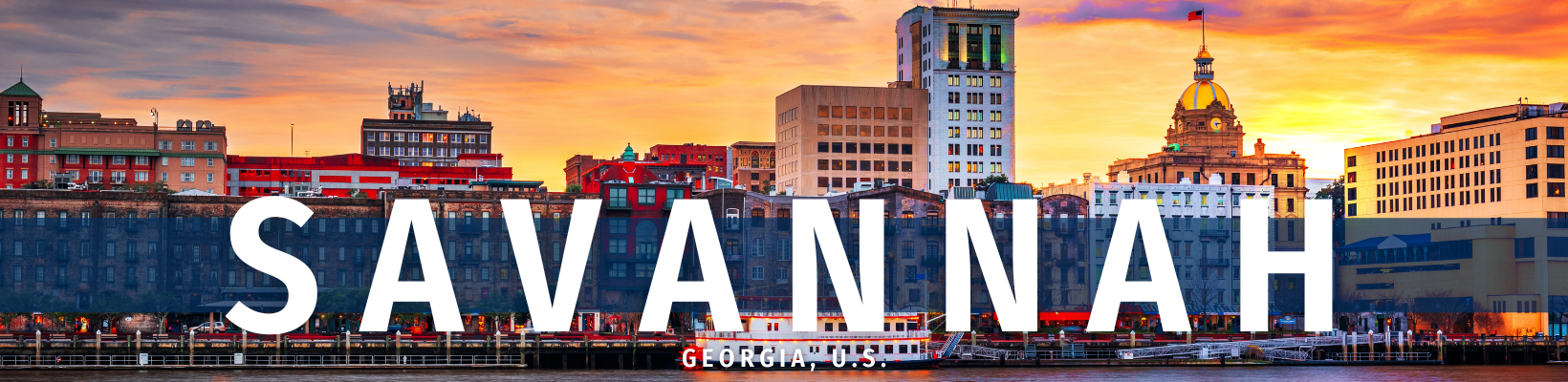
Savannah does not announce itself loudly. It reveals itself slowly, through filtered sunlight in the hanging Spanish moss, the soft geometry of brick-lined squares, and the steady rhythm of the Savannah River pushing toward the Atlantic.
A city of some 150,000 residents, Savannah is located in the southeastern part of Georgia, near the border with South Carolina, a four-hour drive from Atlanta, and a mere 30 miles from the golf mecca of Hilton Head Island.
Founded in 1733 as the first city of Georgia, Savannah is one of the oldest planned cities in the United States, and its original design still defines the experience of being in a community draped in history.
General James Oglethorpe’s visionary plan centered on a grid of public squares, each one intended to foster community, defense, and beauty. Today, 22 of those original squares remain, forming the backbone of Savannah’s Historic District, one of the largest National Historic Landmark districts in the country. Each square feels like a small world of its own, shaded by oak trees and framed by Federal, Greek Revival, and Victorian architecture.

February 19-20, 2026
Andaz Savannah, by Hyatt
14 Barnard St.
Savannah, GA 31401
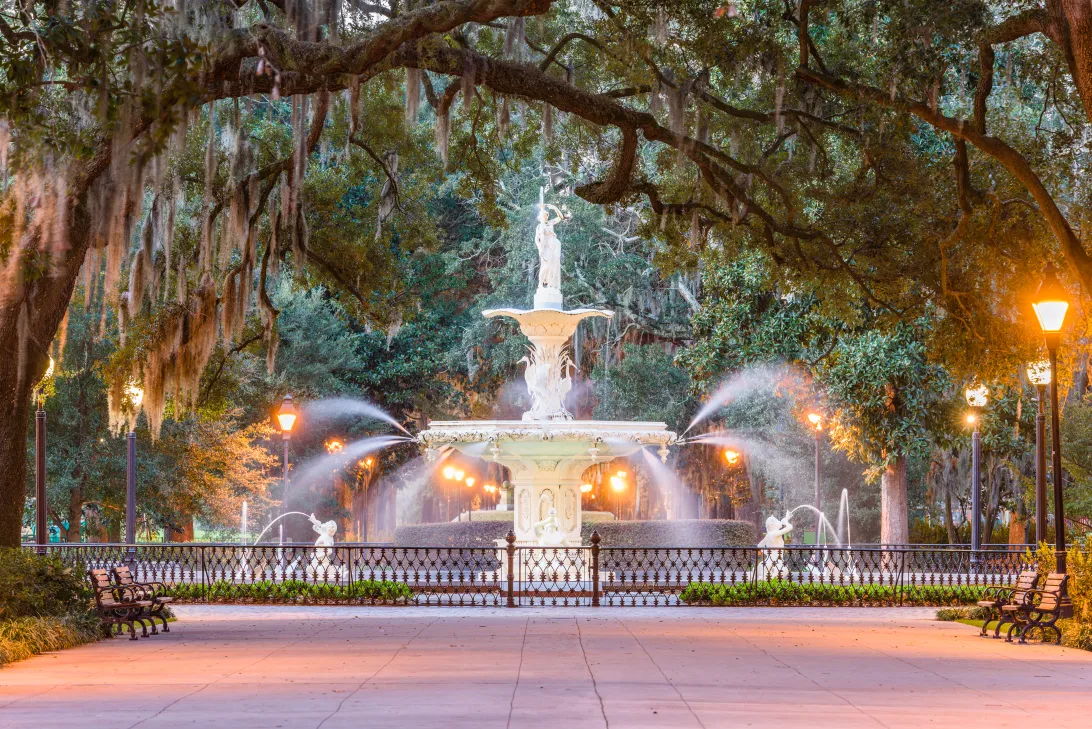
At the southern edge of the district, Forsyth Park provides Savannah’s most iconic image: a grand white cast-iron fountain installed in 1858, modeled after fountains in Paris. Locals jog past it at sunrise, while visitors linger beneath its spray in the afternoon heat. The park itself stretches over 30 acres, serving as a social setting where picnics, art festivals, and weekend farmers’ markets unfold year-round.
Savannah’s history is layered and complex. It played a significant role in Colonial America, the Revolutionary War, and the Civil War. Remarkably, the city was spared widespread destruction during the Civil War when General William Tecumseh Sherman, impressed by its beauty, presented Savannah to President Lincoln as a “Christmas gift” in 1864. As a result, Savannah retains an extraordinary concentration of antebellum buildings that feel remarkably intact despite their age.
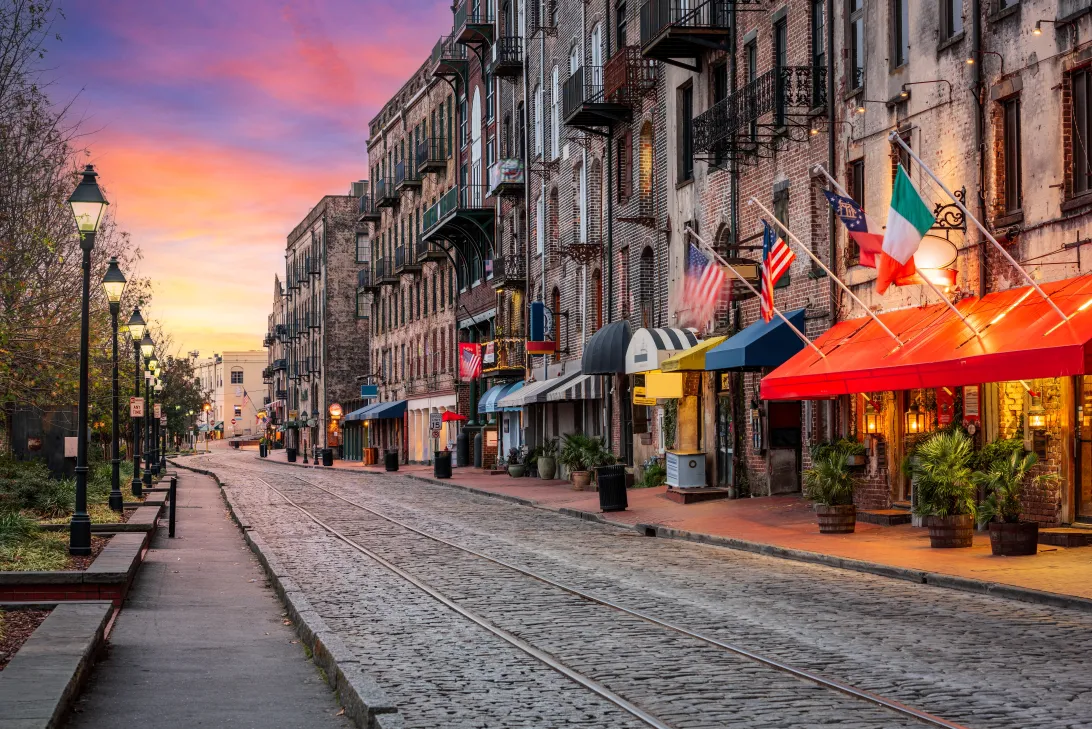
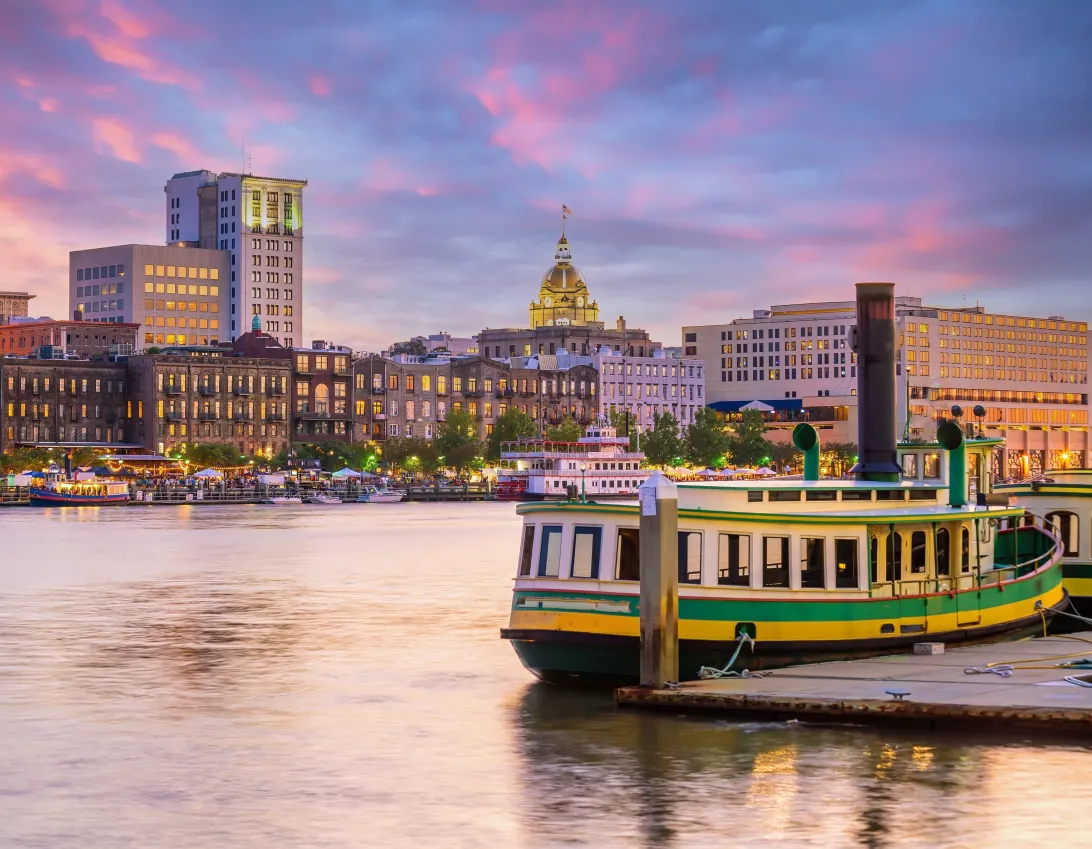
Walking north toward the Savannah River, the atmosphere shifts. River Street – once the commercial lifeline of the cotton trade – runs along old ballast stone streets brought over as ship ballast from Europe. Today, former cotton warehouses have been converted into shops, galleries, and restaurants overlooking working docks where massive cargo ships pass within arm’s reach. The juxtaposition of historic brick and industrial river traffic is uniquely Savannah, as the city serves as a significant international seaport and economic hub.
The city also has a reputation for mystery and storytelling. Bonaventure Cemetery, set along a bend of the Wilmington River, is one of the most photographed cemeteries in the world. Its marble statues and weathered headstones, draped in moss, reflect Savannah’s long-standing relationship with memory and myth in a theme popularized by literature and local ghost lore.
Savannah’s cultural calendar is equally rich. Each March, the city hosts one of the largest St. Patrick’s Day celebrations in the nation, complete with a ceremonial dyeing of the Forsyth fountain green. The Savannah Music Festival brings world-class jazz, classical, and global performers each spring, while the SCAD Savannah Film Festival draws filmmakers and industry professionals from around the globe every fall.
Despite its deep history, Savannah feels lived-in rather than preserved. College students from the world-renowned Savannah College of Art and Design (SCAD) inject creative energy into historic buildings repurposed as studios, galleries, and performance spaces. The result is a city that honors its past without becoming static, a place where history breathes, drifts, and endures, just like the river beside it.