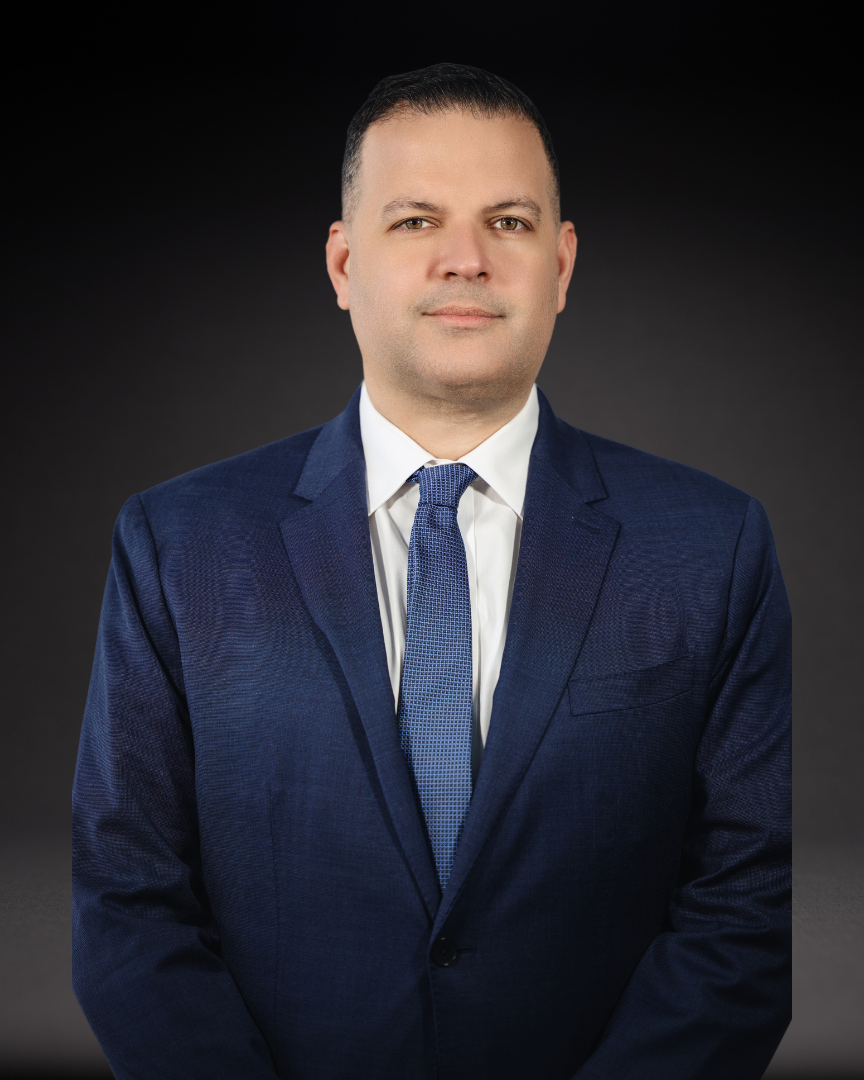
Florida corporate attorney knows the value of ‘preventive medicine’
Articles
Spotlight
View more from News & Articles or Primerus Weekly

By Brian Cox
Elias Correa Menendez became an attorney for two reasons.
One, he admired a friend’s father who was an attorney and well respected in the community of San Juan, Puerto Rico where he grew up. The second reason is rooted in seeing his uncle’s small business run into legal trouble that created some chaos and even health issues.
“I knew even back then that with a little bit of planning it all could have been avoided,” says Correa. “That always stuck in the back of my head. And that's exactly what I do today – prevent those types of problems for my clients.”
The experience of watching preventable problems spiral into something far more disruptive has quietly shaped many of the professional decisions Correa has made since his uncle’s troubles unfolded. While his career has taken him from Puerto Rico to New Orleans to South Florida, from bankruptcy courtrooms to boardrooms, Correa says his objective has remained constant: helping businesses see around corners before trouble arrives.
Correa was born and raised in San Juan and attended Pontifical Catholic University of Puerto Rico School of Law, earning his J.D. in 2002. From the outset, law felt like both a professional calling and a practical tool. He was the only lawyer in his family – his father worked as an insurance broker, while his mother was an artist and high school teacher – but he was surrounded by mentors who helped him see the law as something larger than mere doctrine.
One of the most influential was Ruben Nigaglioni, a law professor who later became a close mentor to both Correa and his wife, Maritza, whom he met in law school. Nigaglioni sponsored their work opening the first student chapter of the Federal Bar Association in Puerto Rico, which quickly grew into one of the largest chapters in the country. He also brought Correa into his firm’s law clinic during the law student’s third year.
“He would take me to lunch with all the interns pretty much every day,” Correa recalls. “And I learned so much from him.”
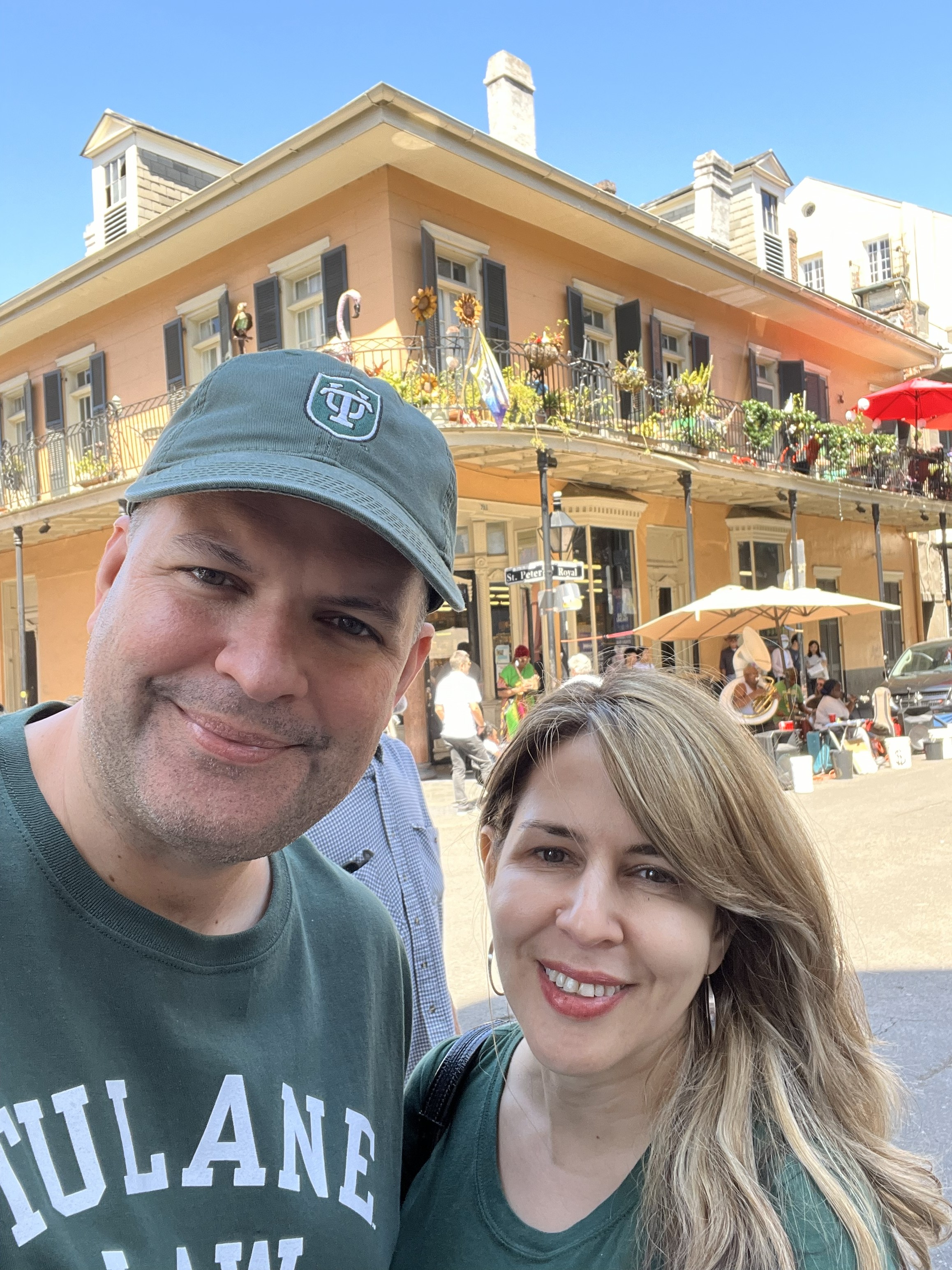
The combination of high-level legal exposure paired with everyday mentorship helped Correa see the possibilities of a legal career that was both rigorous and human. It also nudged him toward further study. After passing the Puerto Rico bar, Correa decided to pursue an LL.M. in commercial law at Tulane University in New Orleans.
He and his wife arrived in New Orleans in 2003. It was, by Correa’s account, “probably the best year of my life,” filled with friendships formed during Tulane’s introductory summer program and a sense of intellectual excitement.
After Tulane, the couple did some soul-searching about where to build their lives. Maritza accepted a position with the Equal Employment Opportunity Commission in Miami, and Correa followed, studying for and passing the Florida bar. He soon landed a job at a law firm in Coral Gables, working as a construction lawyer.
“I had never thought to be one,” he admits, “but it was a great experience.”
It was there that he learned how to be an associate – how to produce quality work, meet client expectations, and understand the rhythms of firm life. That foundation proved invaluable when the couple decided to return to Puerto Rico in 2007, motivated by family and plans to start one of their own.
Back on the island, Correa joined a firm representing a large financial institution. Almost immediately, he was placed in charge of the bank’s bankruptcy portfolio – hundreds of cases, little assistance, and enormous responsibility.
“That was super challenging, but I loved every second of it,” he says.
The work was intense. Correa was in court daily, sometimes multiple times a day, handling cases that had been mismanaged or neglected as banks were closed by the FDIC. He learned bankruptcy law not as an abstract concept, but as a negotiation-driven, business-critical discipline.
“You have to strike a deal that makes sense for the bank, that keeps the shareholders happy, but that keeps the business alive, and that is approved by the court,” he explains.
The balance of protecting institutional interests while preserving businesses became central to his professional philosophy. Bankruptcy, particularly corporate and commercial bankruptcy, showed him how legal decisions ripple outward, affecting employees, owners, and communities.
During this period, Correa and his wife welcomed two children, Arianna and Joaquin. As their family grew, so did the pull to move back to Florida. While Puerto Rico offered family support and professional success, Correa and his wife wanted broader opportunities and exposure for their kids.
“Moving was challenging,” he says of Florida. “But 100 percent worth it.”
Correa returned to South Florida, joining a large firm in Brickell and transitioning further into corporate work. His bankruptcy experience translated naturally into advising businesses on structure, governance, and transactions – often addressing problems before they reached a courtroom.
In 2017, that trajectory led him to Brett Trembly. Correa was presented with the opportunity to build and lead the corporate department of Trembly Law Firm.
Today, as chair of that department, Correa oversees work spanning mergers and acquisitions, franchise law, employment matters, contracts, regulatory issues, and intellectual property.
At its core, however, the work remains preventive.
“What I really love about what we do is our core focus is to prevent issues,” he says.
The same philosophy is operationalized through diagnostics and deep client engagement. Correa and his team spend time understanding how clients actually operate, reviewing processes, governance structures, and blind spots – often unbilled.
“We serve as their fractional general counsel,” he explains. “We help them with everyday processes with regard to the legal component of it.”
The goal is not to eliminate risk entirely – a fantasy in modern business – but to limit exposure and prepare clients to respond effectively.
“Ideally, you never have lawsuits,” Correa says. “We know that’s never going to happen. But our goal is to limit exposure. A lot of preventive medicine.”
This approach reflects Correa’s long-standing admiration and protectiveness for entrepreneurship, particularly small businesses.
“Small business is the engine of our country,” he says. “You need to protect small businesses if you’re going to have a country.”
Too often, he notes, problems arise not from bad intentions but from gaps in planning – 50/50 partnerships without exit strategies, unclear shareholder agreements, or the absence of coordinated advice from legal and financial professionals.
“There are things that a business owner doesn’t know that he doesn’t know,” Correa says. “And those are the blind spots.”
Helping clients identify and address those blind spots is where Correa finds his professional satisfaction.
The firm’s growth has been intentional. While its client base extends beyond South Florida – to Europe, Latin America, and across the United States – the firm remains selective about practice areas and strategic about expansion. Its recent membership in Primerus has further expanded its reach, allowing Correa to connect clients with trusted counsel in jurisdictions where he does not practice.
“It used to be that you needed to be in a very large firm to be able to service clients all over the world,” he says. “But with Primerus, you can do that with a small office. It really evens the playing field.”
Internally, the firm emphasizes mentorship, entrepreneurship, and shared purpose. Partner retreats, ongoing training, and a willingness to ask for help are part of its culture.
“The firm has an entrepreneurship structure where everybody is hungry to learn, to grow, to get things done,” Correa says.
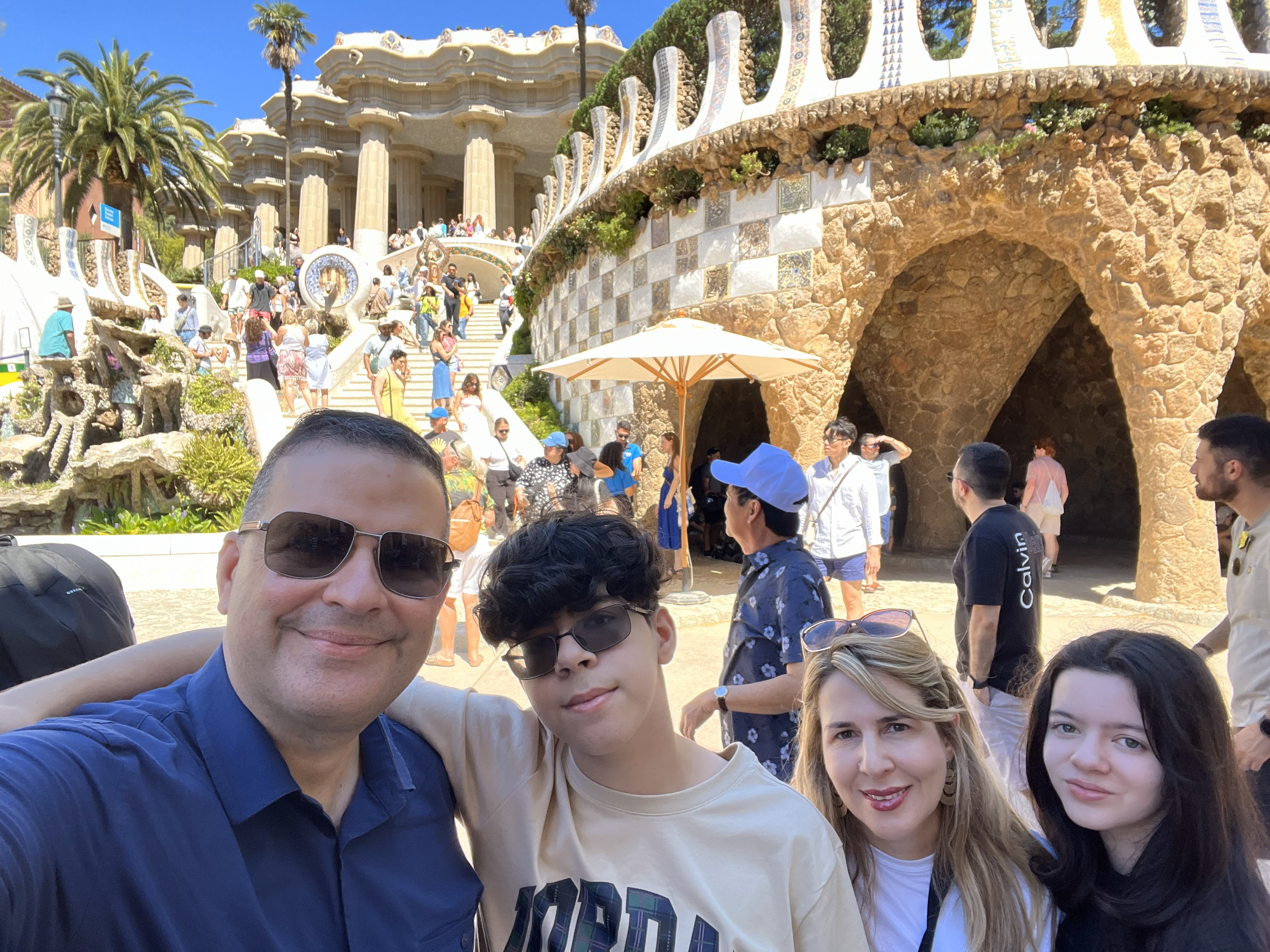
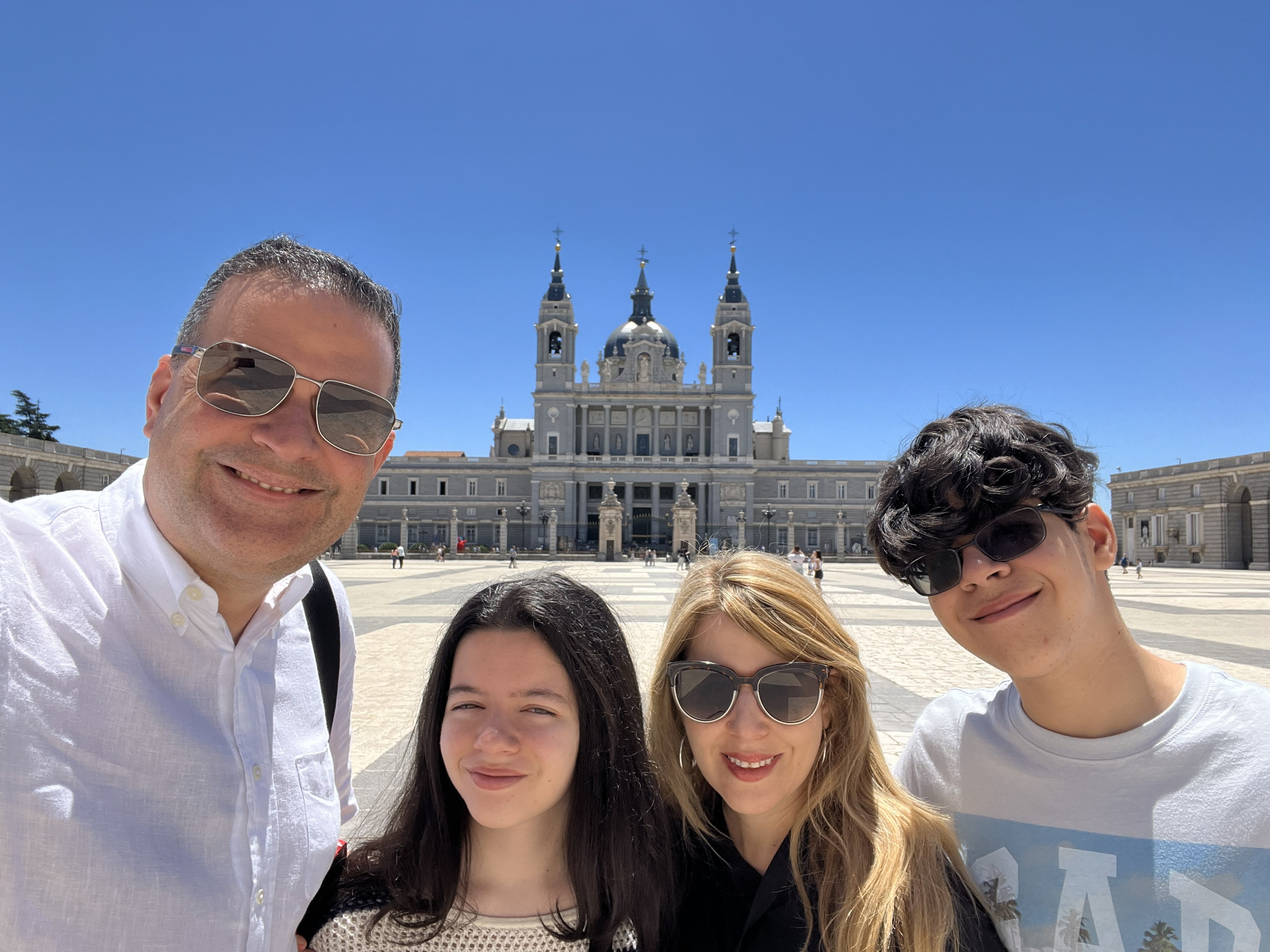
Outside the office, Correa’s life is anchored by family. He and Maritza live in Broward County, where they recently built a pool and expect to stay. He enjoys grilling, family movie nights, breakfasts with his children, and spontaneous travel – discovering unfamiliar places together.
He is also, by his own admission, a cruise aficionado, a love that began on his honeymoon and once helped him and his wife move their belongings from Puerto Rico to New Orleans aboard a Carnival cruise packed with boxes.
Those stories – equal parts practical and adventurous – mirror Correa’s professional approach: thoughtful planning paired with openness to opportunity.
Ultimately, the throughline from that childhood observation in San Juan to his current leadership role is clear. Correa has built a career around anticipation – seeing problems early, structuring solutions thoughtfully, and helping clients avoid unnecessary chaos.
He recalls a moment during one of his initial talks with Trembly about joining the firm that confirmed that he knew it was the right move for him. On a whiteboard in his office, Trembly had written an aphorism: “If you are not growing, you are dying.” The message resonated with Correa.
“I saw that and I knew that if I joined him, there would be great potential for growth,” says Correa, “and I was right.”