

Cuba Travelogue
Articles
Travelogues
View more from News & Articles or Primerus Weekly

By Tom Kirvan
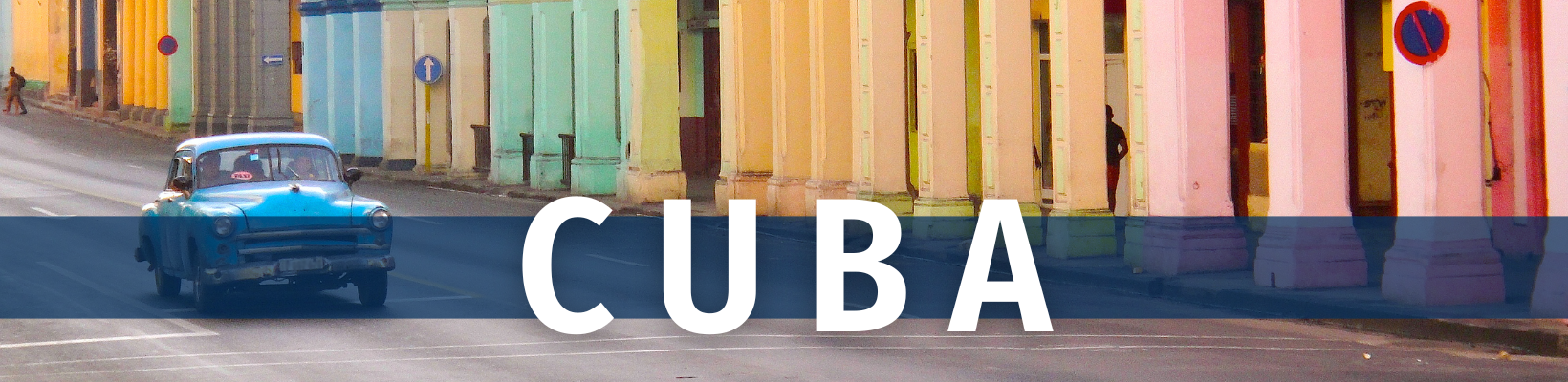
Floating like a jewel in the Caribbean Sea, Cuba is a country of contrasts and captivating charm. Known for its colorful colonial cities, classic cars, Afro-Caribbean rhythms, and revolutionary spirit, Cuba is a destination that invites travelers to step back in time, yet remains undeniably alive with culture and vibrancy.
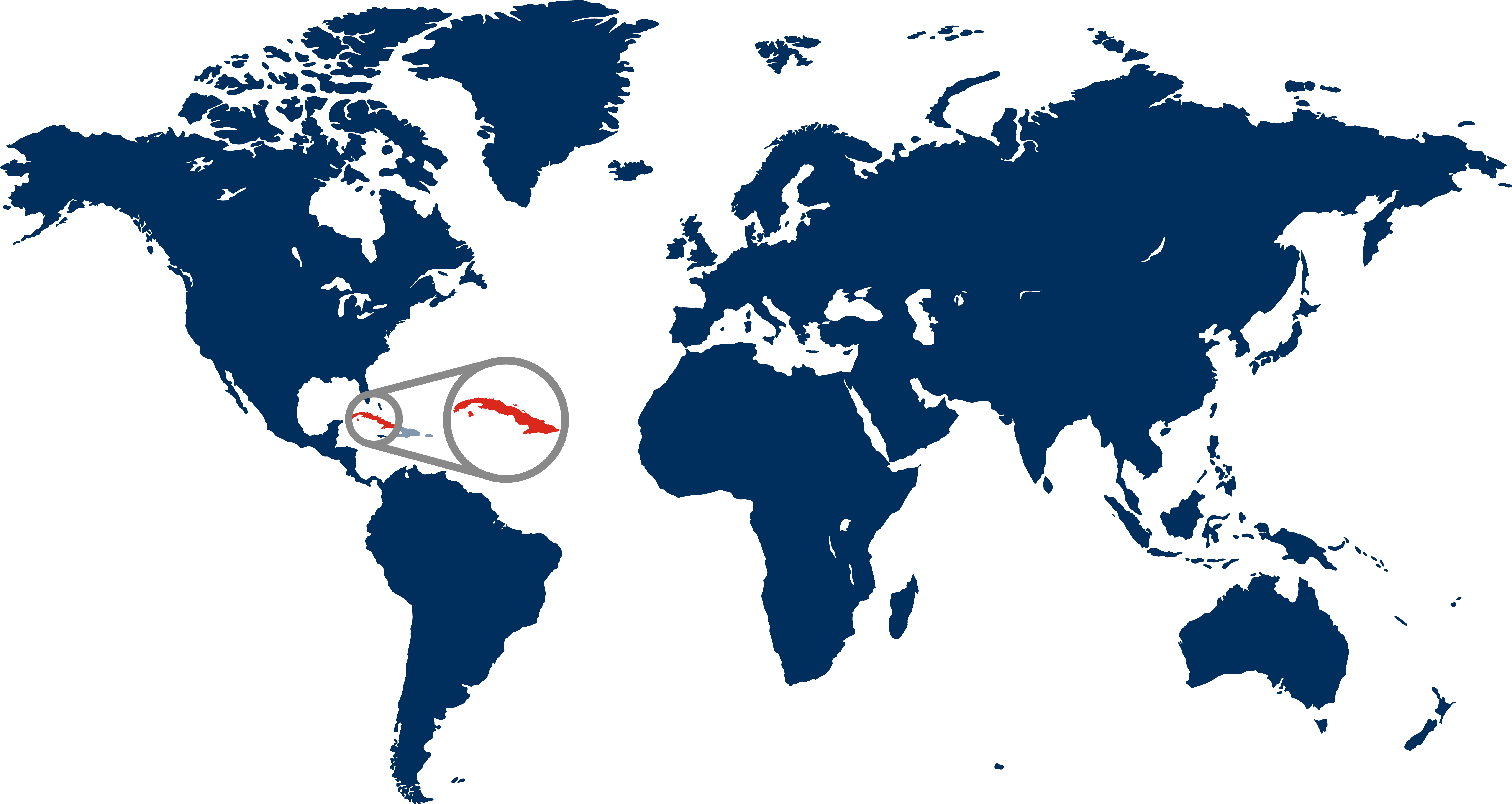
With a population of approximately 11 million people, Cuba offers a rich mosaic of history, music, natural beauty, and warm hospitality. It is the largest island in the Caribbean, stretching more than 750 miles from east to west. It is located where the Caribbean Sea, Gulf of Mexico, and Atlantic Ocean converge, and is surrounded by smaller islands and cays that are part of its archipelago. Cuba’s geography includes mountain ranges, rolling plains, beaches, and tropical forests, offering a surprisingly diverse landscape.
At the heart of the country is Havana (La Habana), the capital city and Cuba’s cultural soul. Founded in 1519 by the Spanish, Havana sits on the northwest coast and is filled with crumbling mansions, lively plazas, oceanfront promenades, and endless music. Its Old Town (Habana Vieja), a UNESCO World Heritage Site, is an open-air museum of colonial architecture and revolutionary history. Despite decades of economic hardship, Havana pulses with resilience and artistic expression at every corner.
In the far southeast of the island, within the Sierra Maestra Mountain range, lies Pico Turquino, Cuba’s highest point. Standing at 6,476 feet above sea level, it is part of Turquino National Park and offers stunning views of lush forests and the Caribbean Sea. The mountain is not only a draw for hikers and nature lovers, but also holds historical significance, as Fidel Castro and his rebels used the Sierra Maestra as a base during the Cuban Revolution.
Cuba’s history is as dynamic as its culture. Originally inhabited by the Taíno people, the island was colonized by the Spanish in the 1500s and became a key port in the transatlantic trade. In 1898, after the Spanish-American War, Cuba gained nominal independence from Spain but remained heavily influenced by the United States.
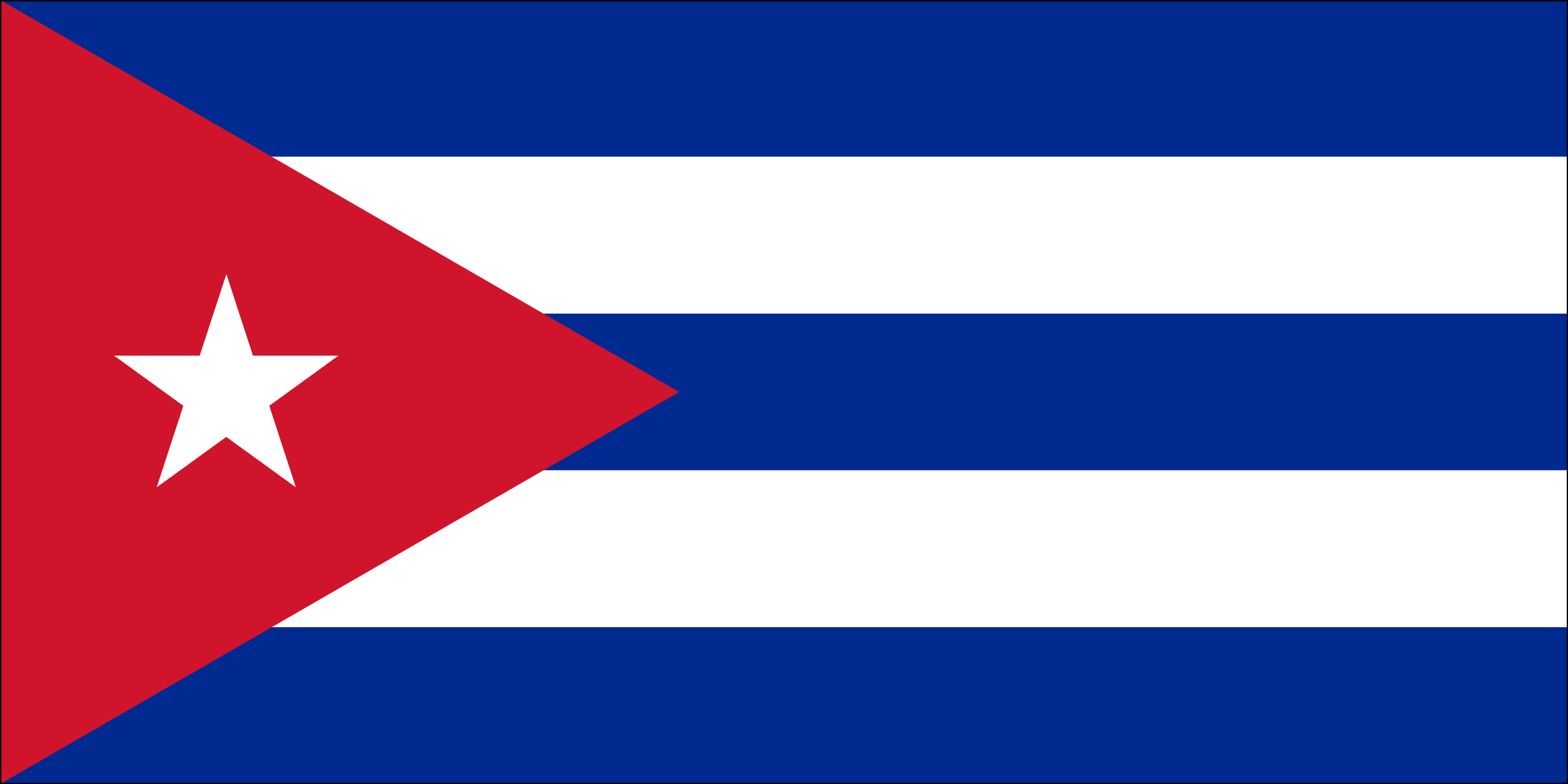
Capital: Havana
Population: 11 million
Highest Point: Pico Turquino (6,476 feet)
Languages: Spanish and English
Primerus Member: Dr. Frühbeck Abogados S.L.P.
Dr. Frühbeck Abogados S.L.P., a full-service law firm located in Havana.
In 1959, Fidel Castro and Che Guevara led the Cuban Revolution, overthrowing dictator Fulgencio Batista and ushering in decades of socialist governance. The revolution dramatically reshaped Cuba’s identity, leading to a U.S. trade embargo, alignment with the Soviet Union, and a turbulent Cold War history, including the Bay of Pigs invasion and the Cuban Missile Crisis that set the world on edge in the fall of 1962.
Despite economic struggles, Cuba has made notable achievements in education, health care, and culture. Today, the country is slowly opening to more private enterprise and tourism while retaining its revolutionary legacy. Music is everywhere – from Afro-Cuban jazz to salsa, son, and reggaetón. Classic American cars roll down the streets like a rolling history, while murals of Martí and Che stare down from alley walls.
Five Must-See Destinations