

Uganda Travelogue
Articles
Travelogues
View more from News & Articles or Primerus Weekly

By Tom Kirvan
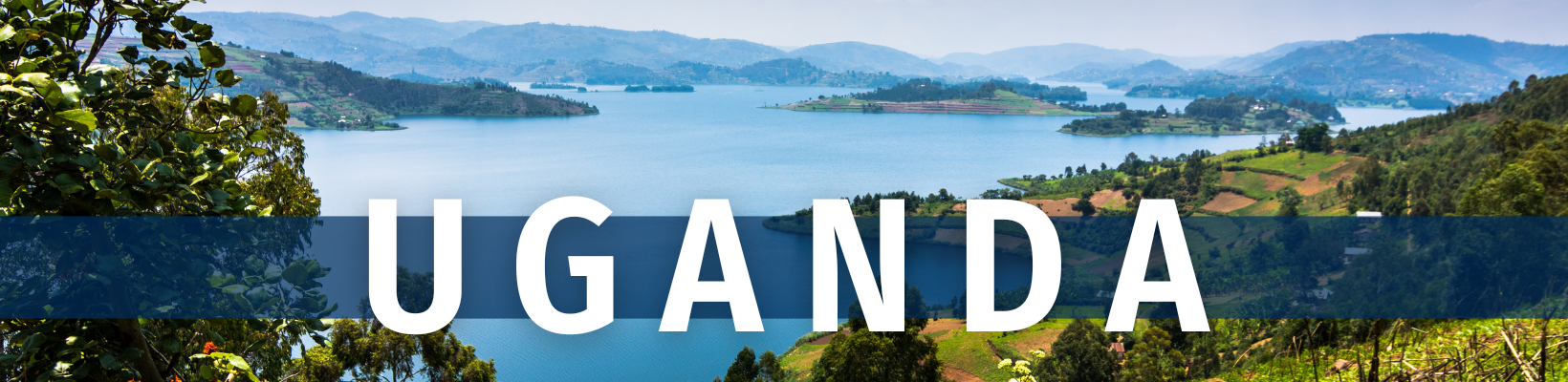
The source of the Nile River, Uganda is located in the heart of East Africa and is a country of remarkable natural beauty, diverse cultures, and warm, welcoming people. Often overshadowed by its more tourist-heavy neighbors, Uganda remains one of the continent’s best-kept secrets, a place where verdant rainforests, snowcapped mountains, and sprawling savannahs converge.
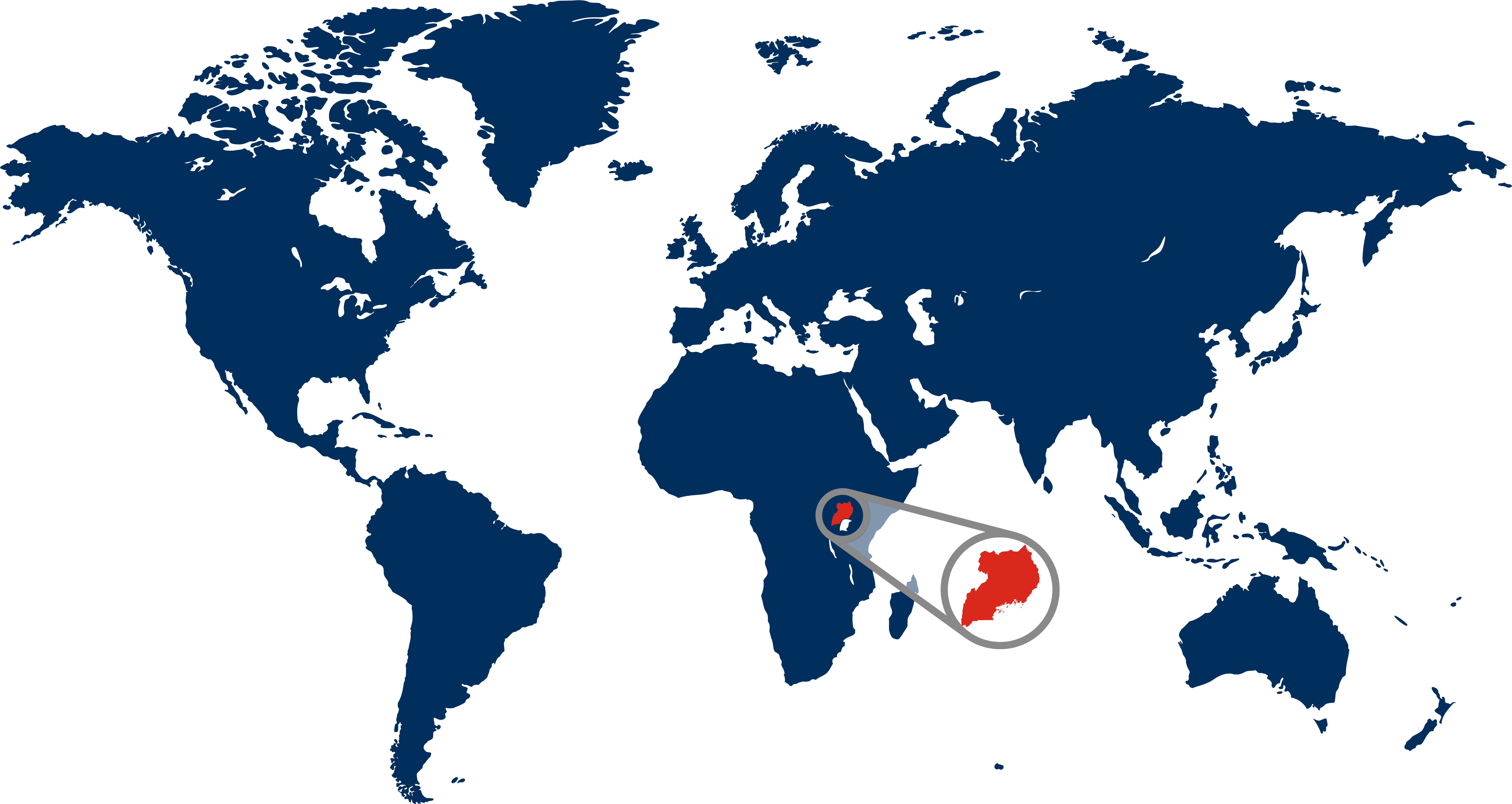
With a population of more than 48 million people, Uganda offers rich rewards for travelers seeking both adventure and authenticity. A landlocked country, Uganda is bordered by Kenya to the east, South Sudan to the north, the Democratic Republic of Congo to the west, Rwanda to the southwest, and Tanzania to the south. It lies within the African Great Lakes region and boasts diverse ecosystems, from the savannahs of the north to the lush rainforests in the west and the expansive waters of Lake Victoria, Africa’s largest lake, to the south.
The capital city, Kampala, is perched on a series of rolling hills near the northern shores of Lake Victoria. A bustling metropolis, Kampala is the political, cultural, and economic hub of Uganda. Visitors will find markets, historical sites, lively nightlife, and a growing culinary scene, all set against the backdrop of the city’s green hills.
The Rwenzori Mountains, often referred to as the “Mountains of the Moon,” lie on Uganda’s western border with the Democratic Republic of Congo. Within this UNESCO World Heritage Site is Margherita Peak, which soars to 16,763 feet, making it Uganda’s highest point and the third-highest peak in Africa. Unlike the dry volcanic peaks of Kilimanjaro and Kenya, the Rwenzoris are lush and mist-covered, with glaciers, alpine meadows, and waterfalls.
Uganda’s history is as layered as its landscapes. Before colonialism, it was home to powerful kingdoms such as Buganda, Bunyoro, and Toro, many of which still have ceremonial roles today. The country was colonized by the British in the late 19th century and gained independence in 1962.
Post-independence Uganda endured difficult periods, most notoriously under the rule of Idi Amin in the 1970s. Since then, the country has made strides toward stability and development, while still navigating complex political and social dynamics.
Uganda is also notable for its cultural richness, with more than 50 ethnic groups speaking different languages and practicing diverse traditions.
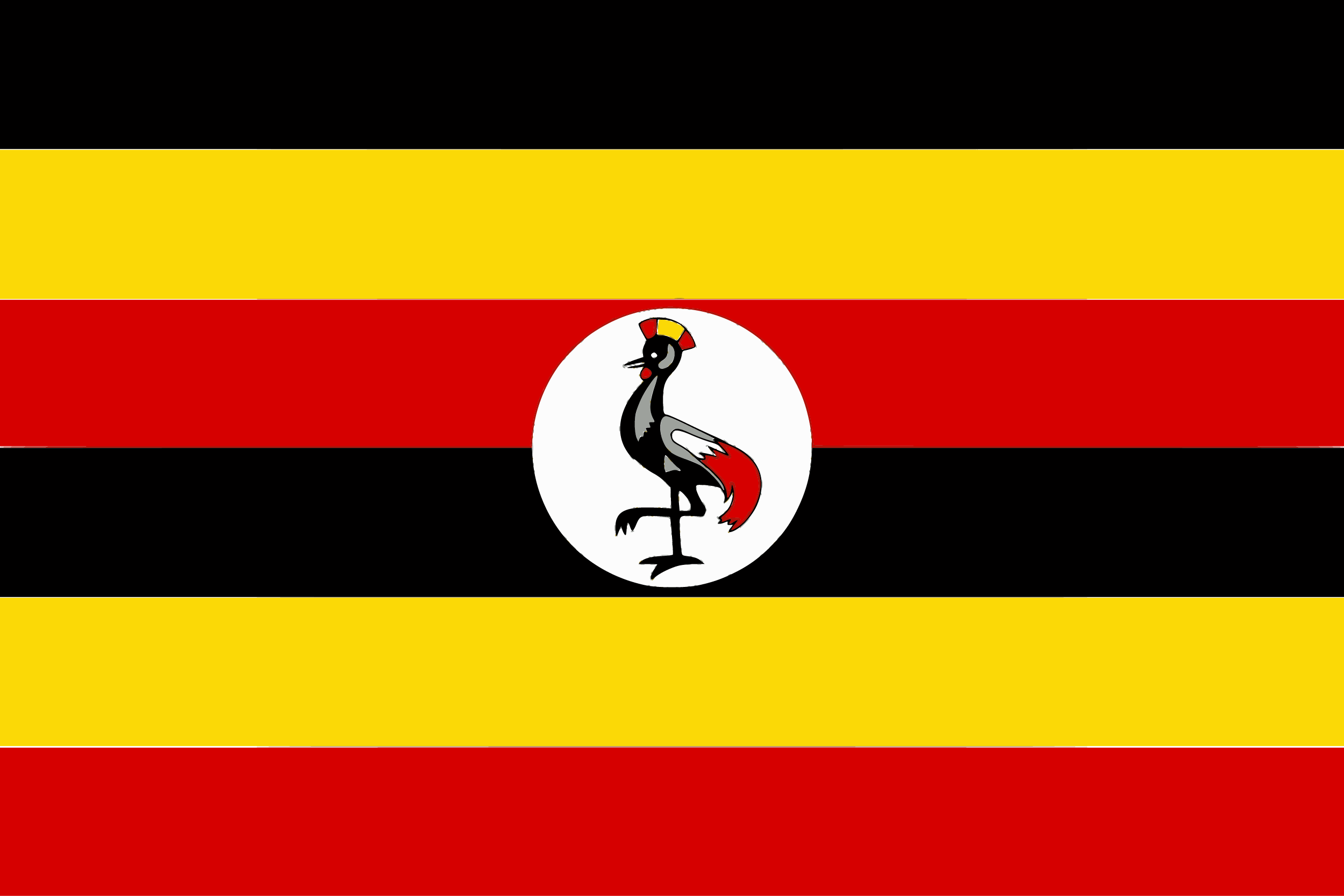
Capital: Kampala
Population: 48 million
Highest Point: Margherita Peak (16,763 feet)
Languages: Swahili and English
Primerus Member: Angualia Busiku & Co. Advocates
Angualia Busiku & Co. Advocates, a full-service law firm located in Kampala.
Uganda is often called the "Pearl of Africa," and for good reason. It’s a place where natural beauty and cultural depth go hand in hand. From gorilla encounters in Bwindi to Nile adventures in Jinja, from misty mountains to open savannah, Uganda offers experiences that are wild, soulful, and unforgettable.
Top 5 Must-See Tourist Destinations