

Jane Austen
Articles
Famous Quotes
View more from News & Articles or Primerus Weekly

By Tom Kirvan
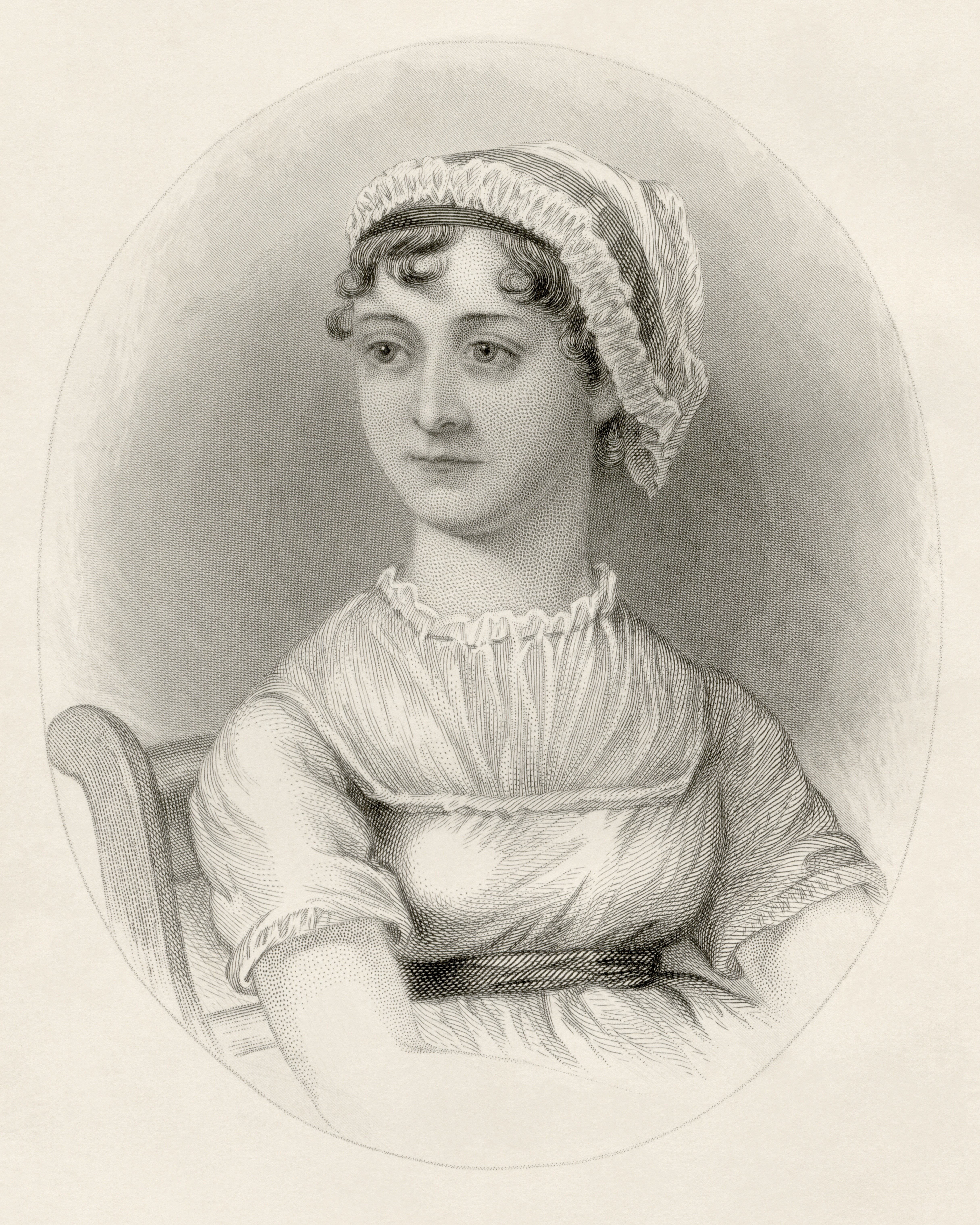
More than two centuries after her death in 1817, English novelist Jane Austen remains as popular as ever, as her timeless stories have been adapted into plays, movies, and television programs that showcase her brilliance for generations of admirers.
Born on December 16, 1775 in Steventon, England, Austen was one of eight children and displayed a special talent for writing as a teenager. In 1811, her brother, Henry, helped her negotiate the publication of “Sense and Sensibility,” which, like her other five novels, was published anonymously.
Her second novel, “Pride and Prejudice,” follows the character development of Elizabeth Bennet, the protagonist of the book, who learns about the repercussions of hasty judgments and comes to appreciate differing degrees of “goodness.” The book has become one of the most popular novels in the history of English literature, with more than 20 million copies sold around the world.
“Let other pens dwell on guilt and misery,” Austen said of her focus on writing stories that highlight the importance of upbringing in developing individual character and morality.
Austen’s third novel, “Mansfield Park,” was published in 1814, two years before she authored “Emma,” which would be the final work she released prior to her death from Addison’s disease in 1817. Two more novels, “Persuasion” and “Northanger Abbey,” were published posthumously.
Known for her insightful and witty observations about love, society, and human nature, Austen proved to be an endless source of quotes on the subjects, such as: