

Kenya Travelogue
Articles
Travelogues
View more from News & Articles or Primerus Weekly

By Tom Kirvan
Kenya, a land where savannas stretch into the horizon and wildlife roams freely under wide African skies, is one of the most iconic travel destinations on Earth. Located in East Africa along the equator, Kenya offers a diverse blend of landscapes, cultures, and history that captivates every traveler who sets foot on its soil. Home to approximately 55 million people, Kenya is a country of immense beauty and significance – both geographically and historically.
Kenya borders the Indian Ocean to the southeast and shares land borders with Tanzania, Uganda, South Sudan, Ethiopia, and Somalia. The geography is as varied as it is stunning: from arid deserts and vast savannahs to alpine highlands and lush coastlines. The Great Rift Valley, which runs through the country from north to south, creates dramatic escarpments, fertile plains, and freshwater lakes.
The capital city, Nairobi, is a bustling urban hub located in the south-central part of the country. A city of contrasts, Nairobi offers a unique mix of skyscrapers, colonial architecture, modern shopping centers, and traditional open-air markets. Known as the "Safari Capital of the World," it’s also the only major city in the world with a national park – Nairobi National Park – right on its doorstep, where lions and giraffes roam with the city skyline in the background.
Kenya’s highest point is Mount Kenya, an extinct stratovolcano that stands at 17,057 feet above sea level. Located in central Kenya, it is the second-highest mountain in Africa after Kilimanjaro. The mountain is revered in local Kikuyu traditions and is a UNESCO World Heritage Site. Climbers can summit the lesser peaks, while trekkers enjoy lush forests, alpine meadows, and spectacular glacier-fed landscapes.
Kenya has a rich and layered history, stretching back to prehistoric times. The Great Rift Valley is often referred to as the "cradle of humanity," as significant fossil discoveries, including early hominids, have been found in sites like Lake Turkana.
During the colonial era, Kenya became a British protectorate in the late 19th century. The struggle for independence culminated in the Mau Mau uprising in the 1950s, and Kenya gained independence in 1963, with Jomo Kenyatta becoming the first president.
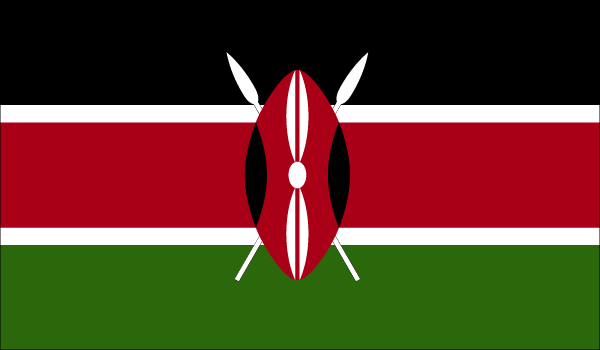
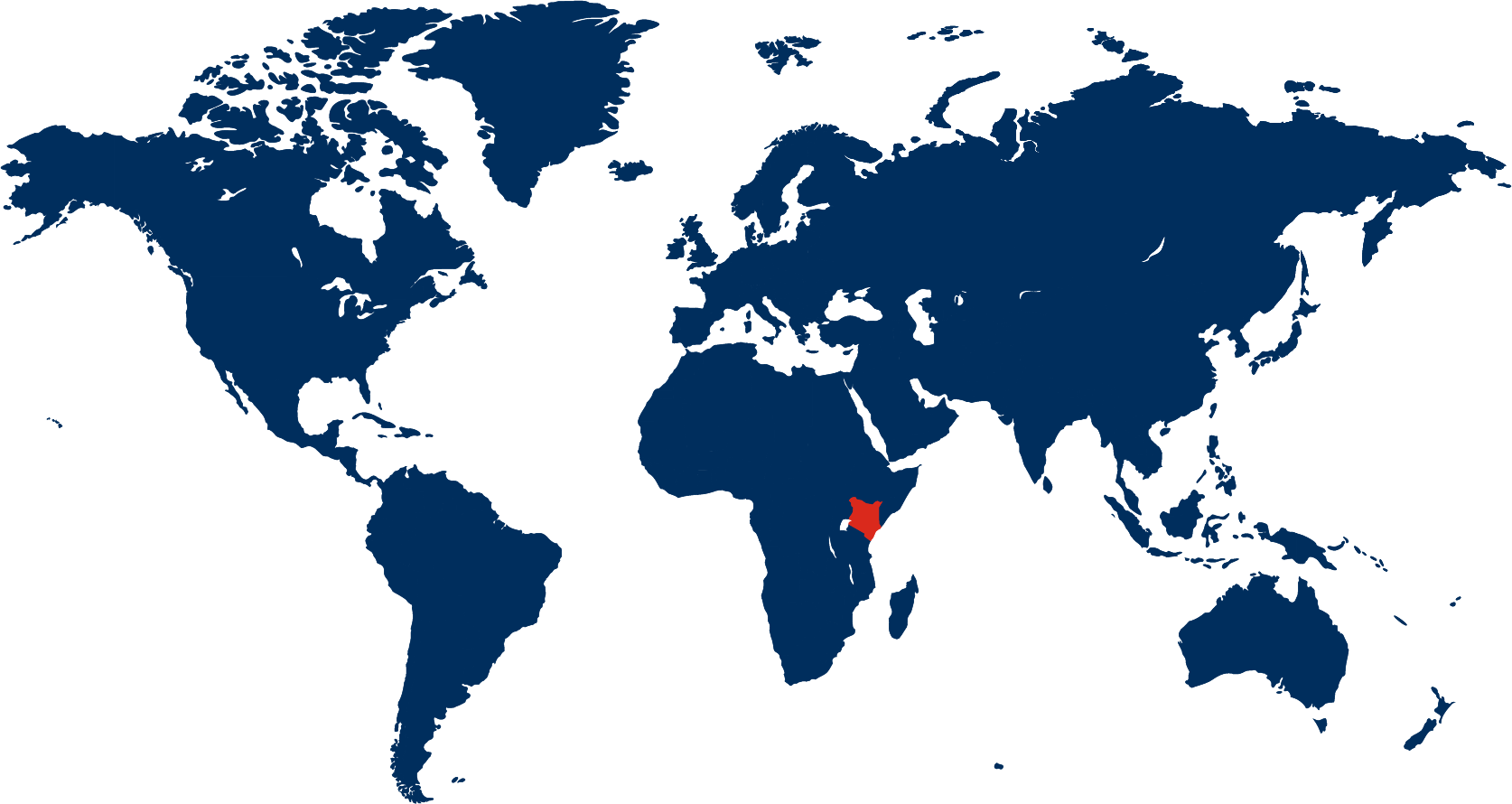
Capital: Nairobi
Population: 55 million
Highest Point: Mount Kenya (17,057 feet)
Languages: English and Swahili
Primerus Member: Njoroge Regeru & Company
Njoroge Regeru & Company, a full-service business law firm located in Nairobi.
Kenya today is a multi-ethnic, multi-lingual nation. The two official languages are English and Swahili, but more than 40 ethnic groups bring a rich mix of languages, cuisines, music, and customs. The country’s democratic institutions and cultural vibrancy continue to evolve, positioning Kenya as a leader in East Africa.
Five Must-See Destinations