

Montana Travelogue
Articles
Travelogues
View more from News & Articles or Primerus Weekly

By Tom Kirvan
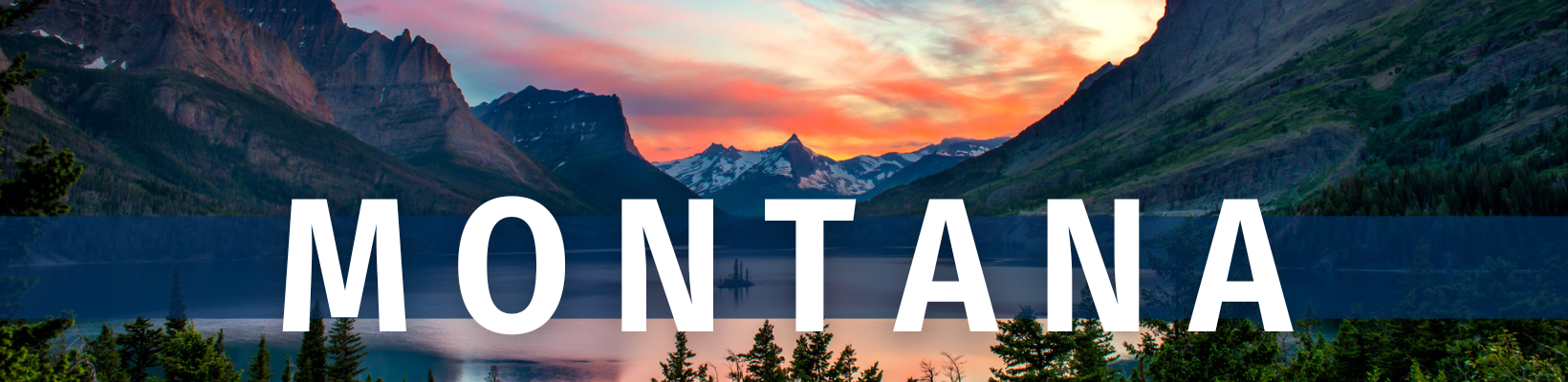
Montana, affectionately known as “Big Sky Country,” is a place where vast plains meet rugged mountains, and the horizon seems to stretch forever. This northwestern gem of the United States is beloved for its pristine natural landscapes, deep-rooted Western heritage, and wide-open spaces that inspire awe and adventure.
With approximately 1.1 million residents, Montana ranks among the least densely populated states in the U.S., offering a level of solitude and open space that’s increasingly rare. Montanans are known for their independent spirit, friendliness, and pride in their land and traditions.
Montana’s geography is as varied as it is vast. The Rocky Mountains dominate the western third of the state, creating a dramatic backdrop of snow-capped peaks, alpine lakes, and pine-covered slopes. The eastern two-thirds transition into rolling plains and badlands that speak to its deep agricultural roots. The Missouri, Yellowstone, and Flathead Rivers thread through the land, feeding forests, valleys, and wildlife.
Montana’s history is a story of resilience, exploration, and transformation. Long before European settlers arrived, the region was home to numerous Indigenous tribes, including the Crow, Blackfeet, Cheyenne, Assiniboine, and Salish Kootenai. These nations have left a lasting cultural and spiritual imprint on the land.
In the early 1800s, explorers Merriweather Lewis and William Clark passed through Montana during their famed expedition. Later in the 19th century, the discovery of gold and copper brought a wave of settlers, sparking both boomtown prosperity and fierce conflicts with Native tribes.
Montana became the 41st U.S. state in 1889. Since then, it has developed a unique identity grounded in ranching, mining, outdoor life, and deep respect for the natural world.
Montana’s economy is diverse, reflecting its resource-rich landscape and growing tourism appeal. Traditional industries such as mining, agriculture, and forestry continue to play vital roles. Cattle ranching and wheat farming remain economic mainstays in the plains’ region.
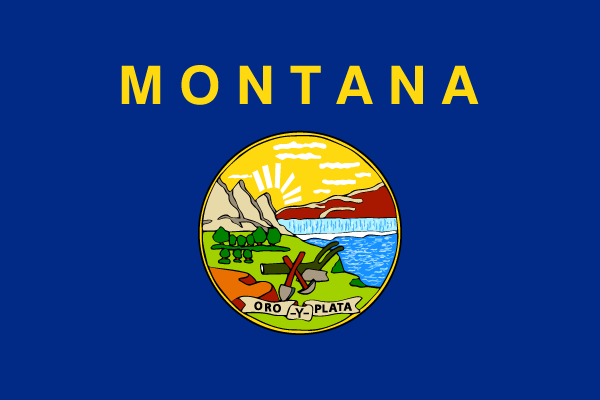
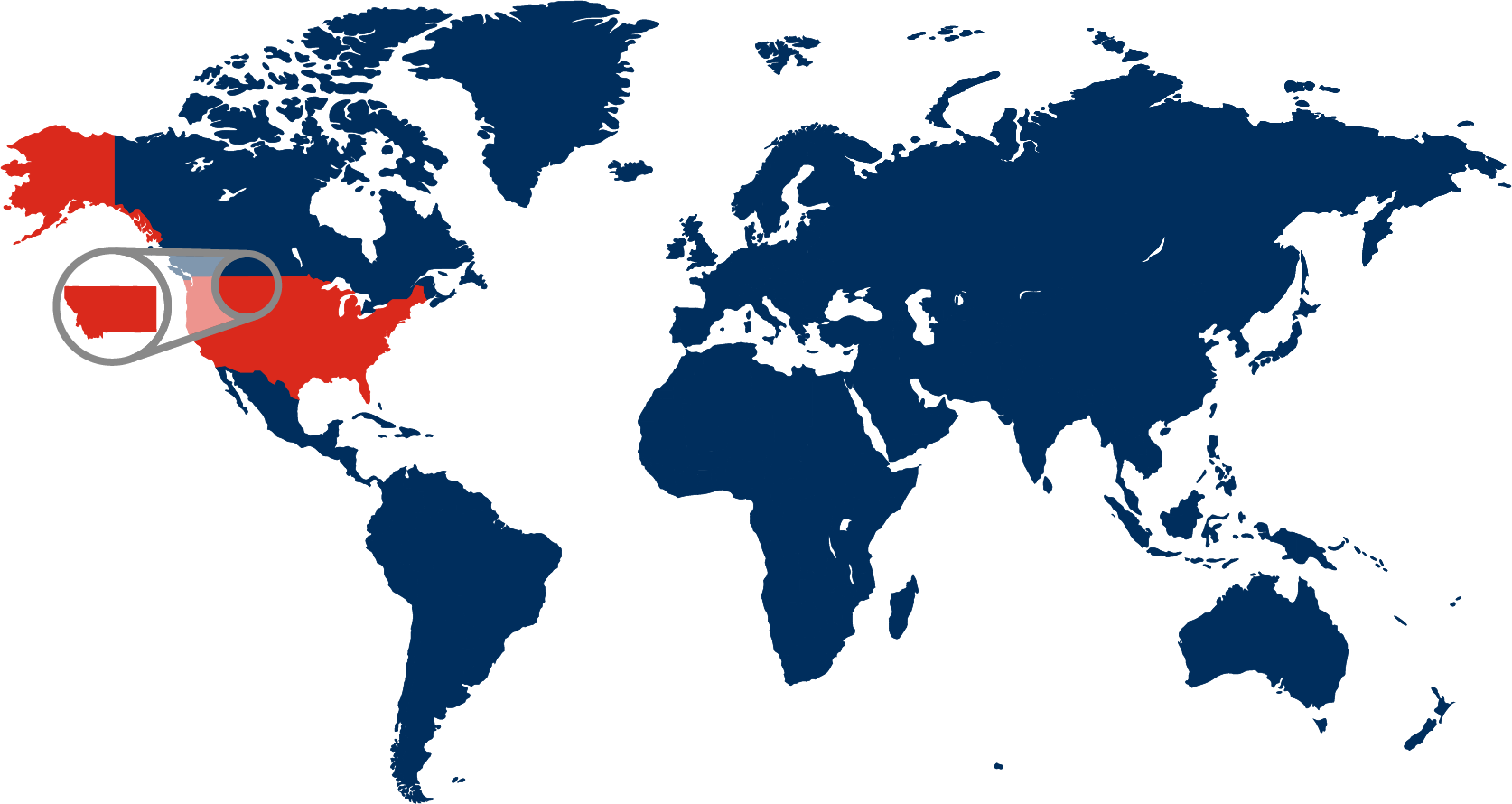
Capital: Helena
Population: 1.2 million
Highest Point: Granite Peak (12,807 feet)
Nickname: The Treasure State
Primerus Member: Datsopoulos, MacDonald & Lind, P.C.
Datsopoulos, MacDonald & Lind, P.C., a full-service firm located in Missoula.
In recent decades, tourism has surged, thanks to the state's two world-renowned national parks and its reputation as a wilderness retreat. Outdoor recreation – including skiing, fly fishing, hiking, and hunting – attracts millions of visitors each year.
Additionally, Montana has become a rising player in renewable energy and tech entrepreneurship, especially in cities like Bozeman and Missoula, where startups and small businesses are on the rise.
Helena, Montana’s capital, is nestled between the Elkhorn and Big Belt Mountains. Originally a gold rush boomtown, Helena retains its frontier charm through historical architecture and cultural sites like the Montana State Capitol and the Cathedral of St. Helena. Though relatively small, Helena offers a blend of scenic beauty and historical richness.
The largest city in the state is Billings, located in south-central Montana. As a hub for commerce, health care, and energy, Billings serves as a gateway to eastern Montana and nearby Yellowstone National Park. It has a growing arts scene, plenty of dining options, and access to the iconic Beartooth Highway.
Five Must-See Destinations