

Peru Travelogue
Articles
Travelogues
View more from News & Articles or Primerus Weekly

By Tom Kirvan
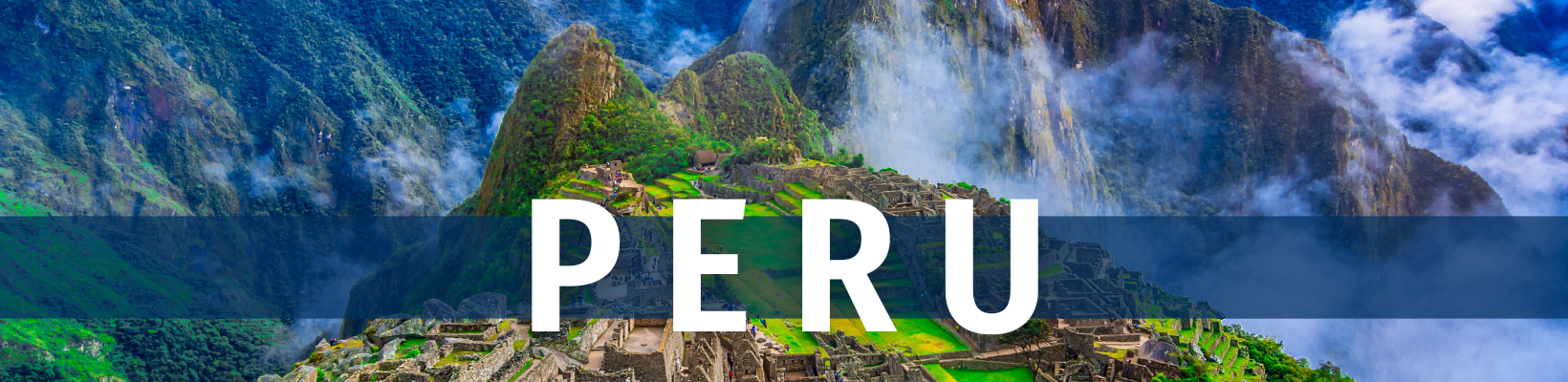
Nestled along the western coast of South America, Peru is a land of breathtaking landscapes, rich cultural heritage, and ancient wonders. With its deep roots in the Incan civilization and a modern society that blends indigenous traditions with European influences, Peru is one of the most fascinating countries to visit. From the mystical ruins of Machu Picchu to the diverse ecosystems of the Amazon Rainforest, this country offers a remarkable experience for travelers seeking adventure, history, and natural beauty.
Peru is home to approximately 34 million people, making it the fourth most populous country in South America. The population is diverse, with a mix of indigenous peoples, mestizos (a blend of European and indigenous ancestry), Afro-Peruvians, and European descendants. The country's multicultural society is reflected in its festivals, music, and cuisine.
Geographically, Peru is one of the most varied countries in the world. It is divided into three distinct regions: the coastal desert, the Andean highlands, and the Amazon Rainforest. The coastal region features arid landscapes and fertile valleys, with major cities like Lima situated along the Pacific Ocean. The Andean highlands are home to towering peaks, deep valleys, and ancient ruins, while the Amazon Rainforest in the east is one of the most biodiverse areas on the planet, housing countless species of plants and animals.
Peru's history is deeply tied to the ancient Inca Empire, which flourished in the 15th and early 16th centuries. The Incas built extensive road networks, impressive cities, and sophisticated agricultural terraces. Their civilization reached its peak before the Spanish conquest in 1532, when Francisco Pizarro and his forces overthrew the Incan ruler Atahualpa.
Following Spanish rule, Peru gained independence in 1821 and has since evolved into a modern republic while maintaining its deep connection to its indigenous past. Today, remnants of Incan civilization, colonial-era architecture, and modern developments coexist, offering visitors a glimpse into the country’s layered history.
Peru’s economy is one of the fastest-growing in South America, driven by industries such as mining, agriculture, fishing, and tourism. The country is one of the world's leading producers of silver, copper, and gold. Its rich agricultural industry produces coffee, avocados, and world-famous Peruvian superfoods like quinoa and maca.
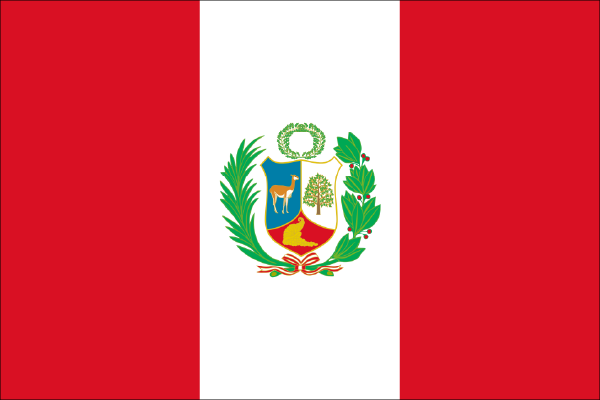
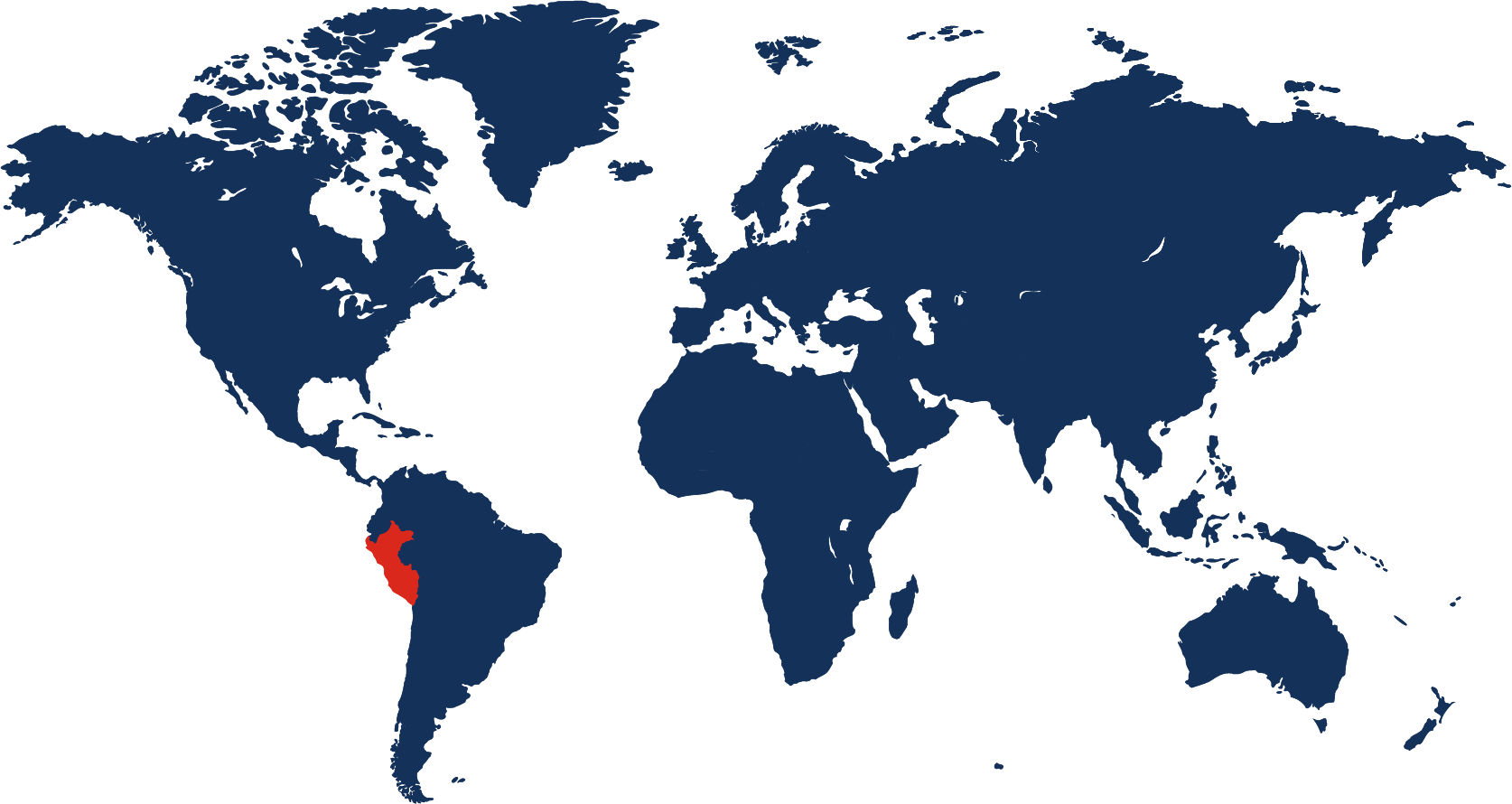
Capital: Lima
Population: 34 million
Language: Spanish
Highest Point: Mt. Huascaran (22,205 feet)
Primerus Member: Llona & Bustamante Abogados
Llona & Bustamante Abogados, a full-service law firm located in Lima.
Tourism plays a vital role in the economy, with millions of visitors arriving each year to explore Peru’s archaeological sites, scenic landscapes, and vibrant cultural festivals. The government continues to invest in infrastructure and sustainability efforts to promote eco-tourism and preserve historical landmarks.
Lima, the capital and largest city, is home to nearly 10 million people. Located along the Pacific coast, Lima is Peru’s economic, cultural, and political hub. The city is known for its colonial architecture, world-renowned gastronomy, and lively nightlife. Visitors can explore historical sites in Plaza Mayor, admire the San Francisco Monastery, and enjoy the stunning coastal views from Miraflores and Barranco.
Five Must-See Destinations