

Guinea Travelogue
Articles
Travelogues
View more from News & Articles or Primerus Weekly

By Tom Kirvan
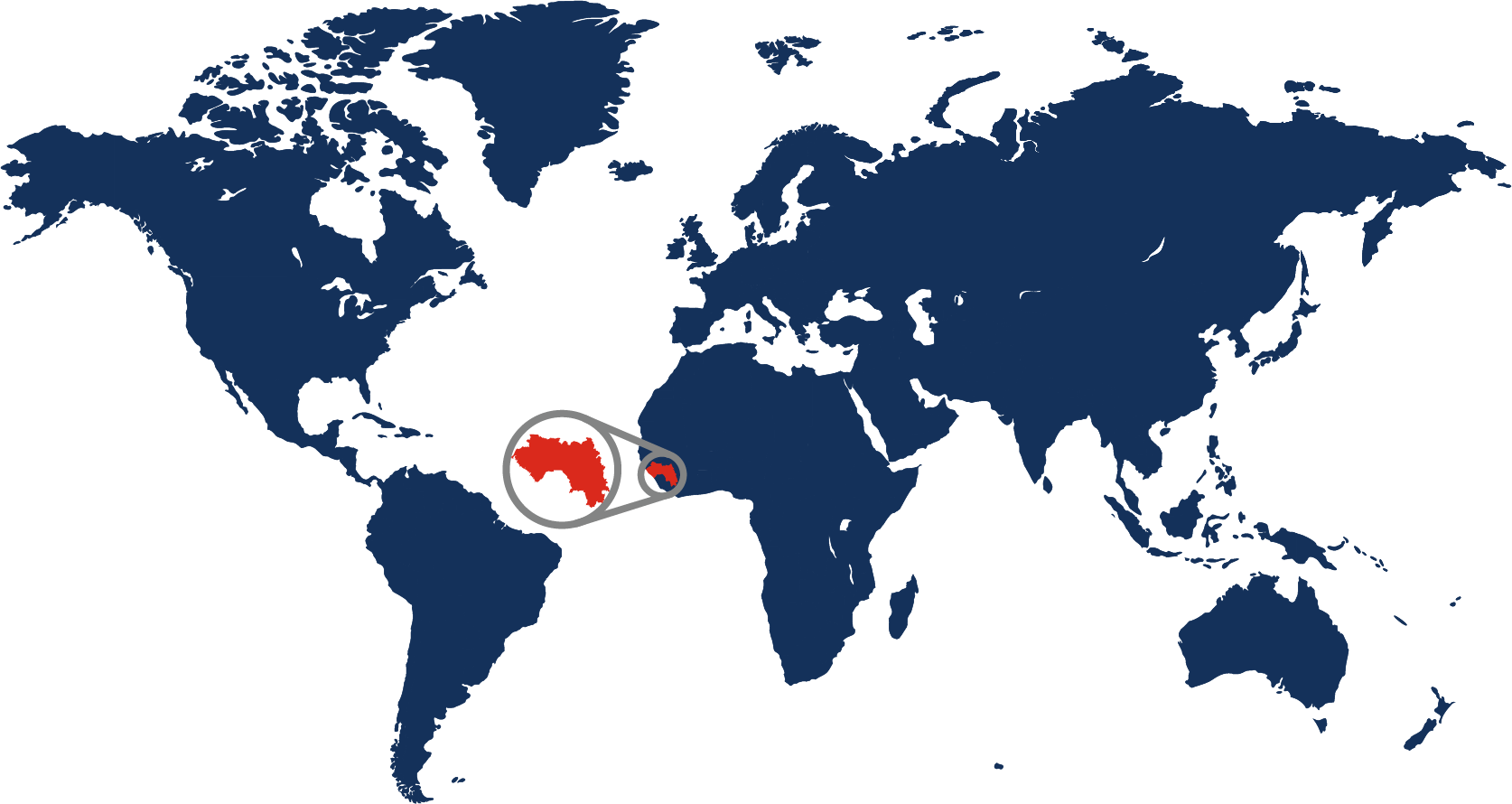
Tucked away in West Africa, Guinea is a land of untamed beauty, diverse cultures, and rich history. Often overshadowed by its neighbors, this fascinating country offers breathtaking landscapes, vibrant traditions, and a unique blend of historical influences. From its rolling savannas to the misty highlands and Atlantic coastline, Guinea is an emerging destination that promises adventure and cultural immersion.
Guinea is home to approximately 13.5 million people, comprising a mosaic of ethnic groups, including the Fulani, Malinke, and Soussou. The country’s official language is French, a remnant of its colonial past, though numerous indigenous languages are spoken throughout the region. Guinea’s cultural diversity is reflected in its music, dance, and traditional practices.
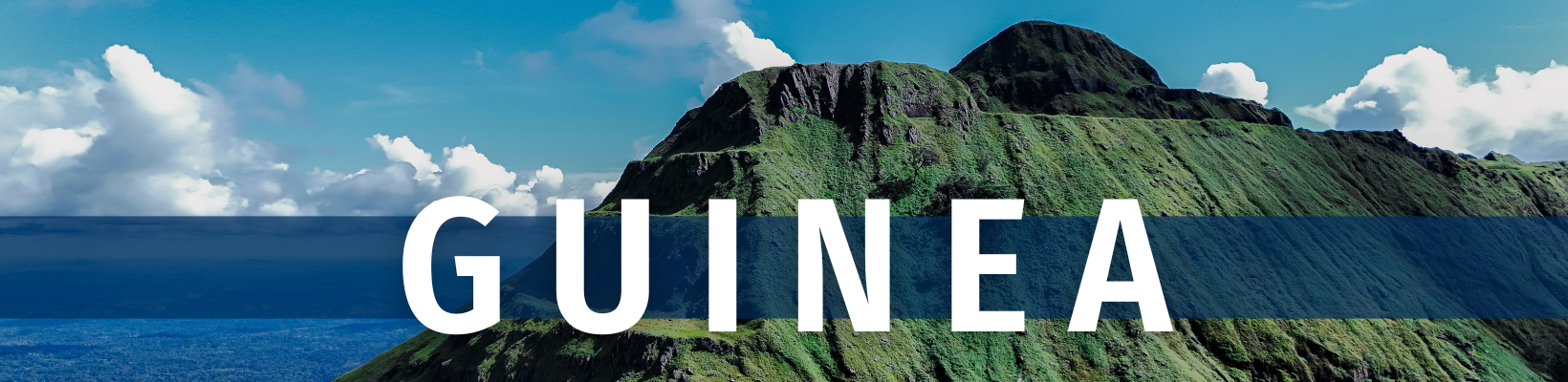
Geographically, Guinea is stunningly varied. The Fouta Djallon highlands dominate the center of the country, supplying the source for some of West Africa’s most significant rivers, including the Niger, Senegal, and Gambia. To the west, the Atlantic coastline features picturesque beaches, while the southeastern region is covered in lush rainforests. The country also boasts stunning waterfalls, plateaus, and nature reserves, making it an excellent destination for eco-tourism.
Guinea has a rich and complex history. Before European colonization, it was home to powerful empires, including the Mali and Sosso Empires. The region played a central role in trans-Saharan trade, connecting West African kingdoms with North Africa and beyond.
In the 19th century, French forces colonized Guinea, integrating it into French West Africa. However, Guinea was the first French colony to gain independence in 1958 under the leadership of Ahmed Sékou Touré, who famously rejected continued French influence. His governance shaped Guinea’s political trajectory but also led to economic struggles. Today, Guinea is navigating its path toward democratic governance and economic development.
Guinea's economy is driven by its vast natural resources. The country holds one of the world’s largest reserves of bauxite, a crucial component for aluminum production. Mining plays a vital role in Guinea’s economy, due to significant gold and diamond deposits. The agriculture sector is also essential, with crops like rice, coffee, and cocoa sustaining many livelihoods.
Capital: Conakry
Population: 13.5 million
Language: French
Economic engines: Mining and agriculture
Primerus Member: ASK AVOCATS
ASK AVOCATS, a Conakry law firm specializing in mining and business law.
Conakry, the capital and largest city, is a metropolis located on the Atlantic coast. As Guinea’s economic and political hub, Conakry is known for its bustling markets, colonial-era architecture, and lively arts scene. The city’s location on the Kaloum Peninsula provides stunning ocean views and easy access to offshore islands, making it an excellent starting point for exploring Guinea.
Five Must-See Destinations