

Philadelphia, Pennsylvania, U.S. Travelogue
Articles
Travelogues
View more from News & Articles or Primerus Weekly

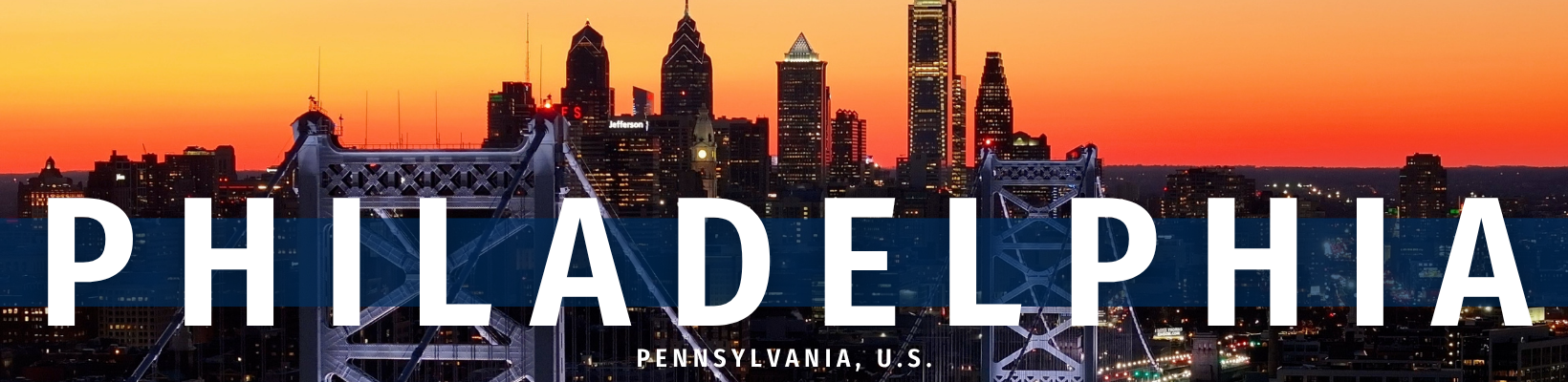
1 ByDroneVideos / Shutterstock.com
By Tom Kirvan
Philadelphia is one of America’s most historically significant cities, but it is also a place that continues to evolve in ways that defy easy categorization.
Located in southeastern Pennsylvania along the Delaware River, Philadelphia sits between New York City and Washington, D.C., a geographic position that has shaped its role as a commercial, political, and cultural crossroads for more than three centuries. Today, with a population of roughly 1.6 million people, it is the sixth-largest city in the United States and the cultural anchor of a metropolitan region that includes parts of New Jersey and Delaware.
Geographically, Philadelphia is compact by major-city standards, with distinct neighborhoods packed closely together. The city is bordered by two rivers – the Delaware to the east and the Schuylkill to the west – which historically fueled trade and industrial growth. Its terrain is relatively flat, making it a walkable city, while a large and thoughtfully planned park system weaves green space into the urban fabric. Fairmount Park, one of the largest urban park systems in the country, provides miles of trails, historic estates, and riverfront views, offering residents an uncommon balance of density and access to nature.
September 17-19, 2026
Drexel University and
Philadelphia City Hall
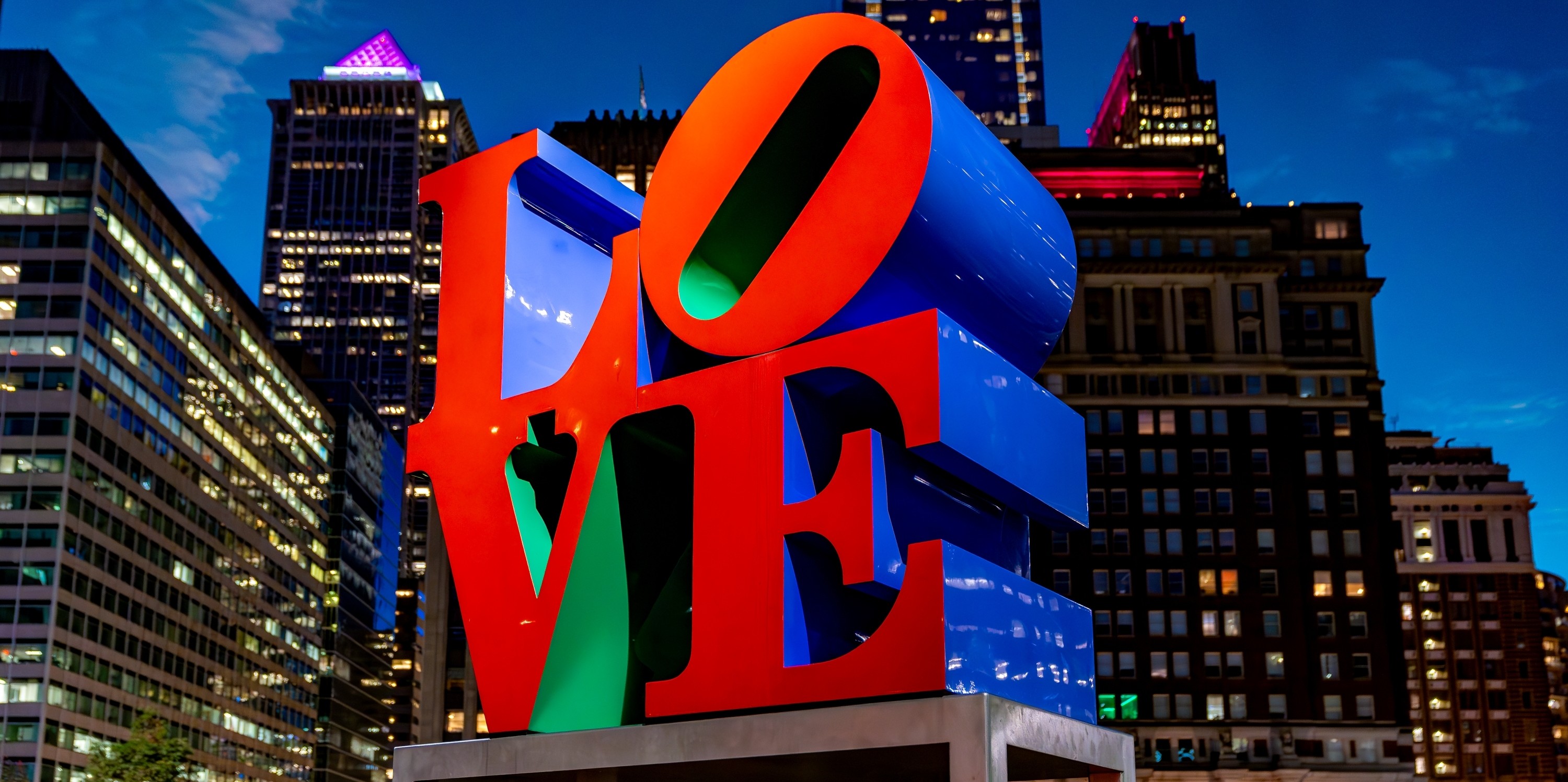
2 Brian Logan Photography / Shutterstock.com
Economically, Philadelphia has transitioned from its industrial roots into a diversified modern economy. Health care and education are dominant forces, anchored by major universities (University of Pennsylvania, Temple, Drexel, La Salle, and St. Joseph) and hospital systems that collectively employ tens of thousands of people. Biotechnology, life sciences, finance, and professional services have grown steadily, while logistics and port activity remain important due to the city’s river access. At the same time, Philadelphia has cultivated a strong small-business and creative economy, with food, design, and technology startups playing an increasingly visible role in neighborhood revitalization.
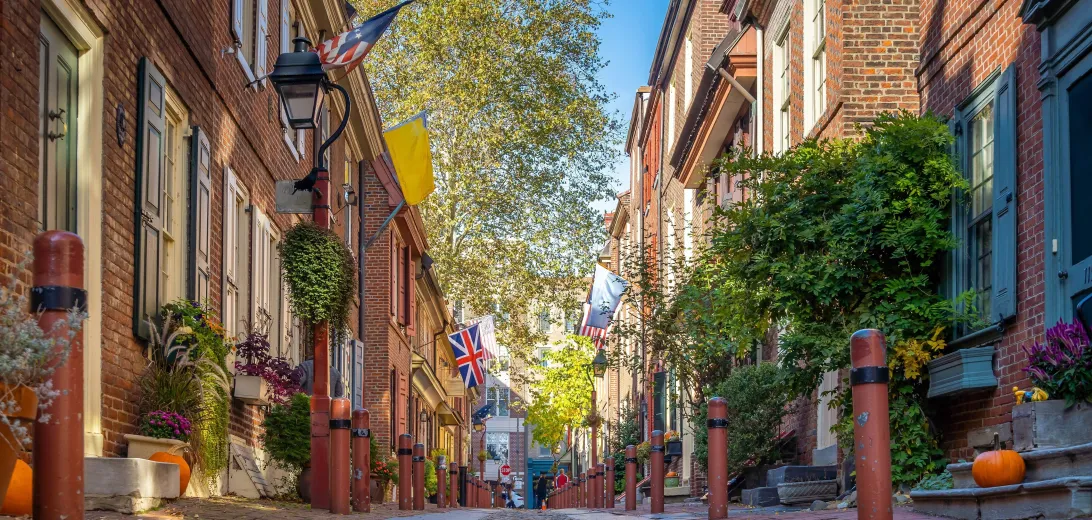
Sightseeing in Philadelphia reflects both its national importance and its deeply local character. The city is best known for its role in the founding of the United States. Independence Hall, where the Declaration of Independence and the U.S. Constitution were debated and adopted, remains a central landmark. Nearby, the Liberty Bell continues to draw visitors from around the world. These sites anchor the city’s Historic District, an area dense with preserved buildings, museums, and public spaces that make American history feel tangible rather than abstract.
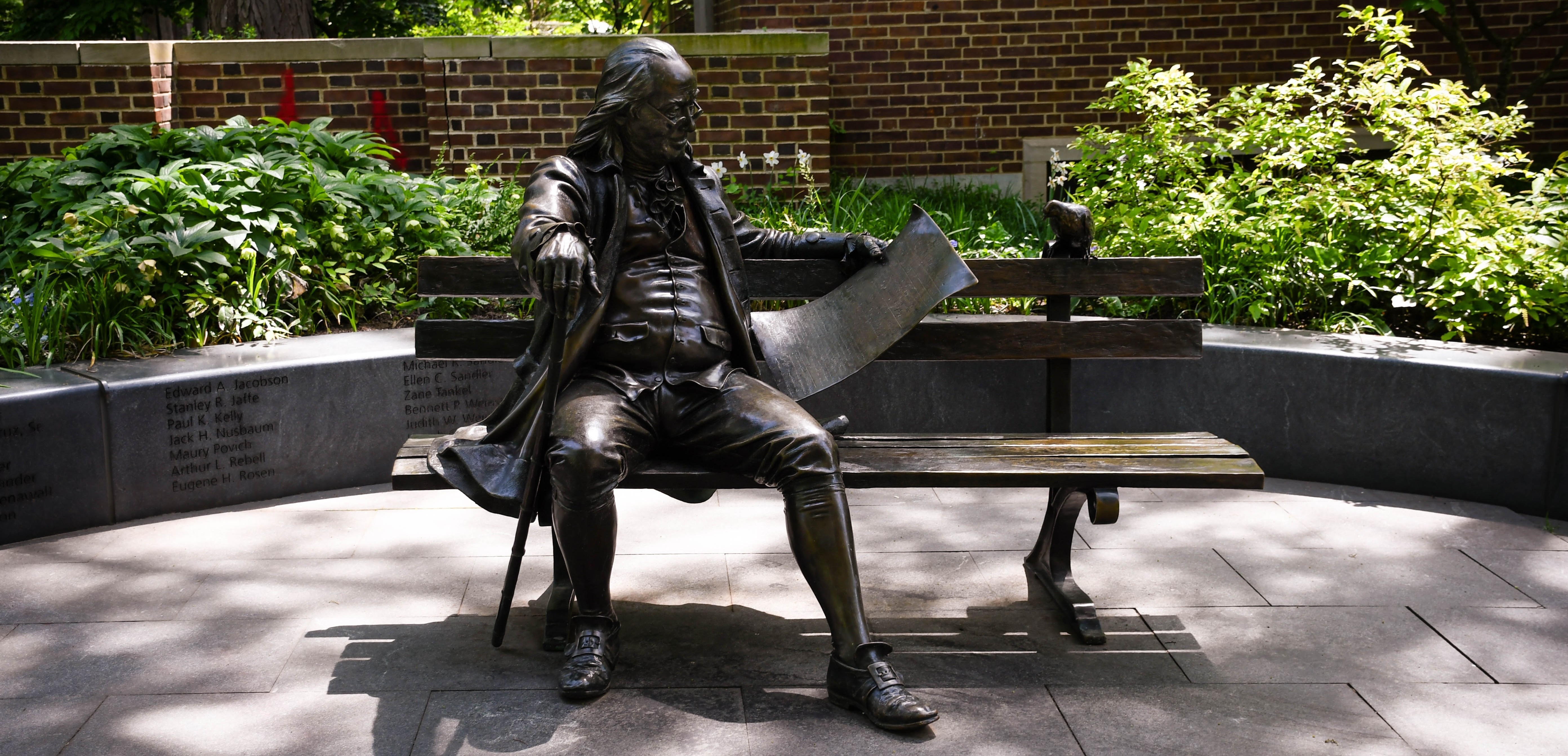
3 Sophia Zengierski / Shutterstock.com
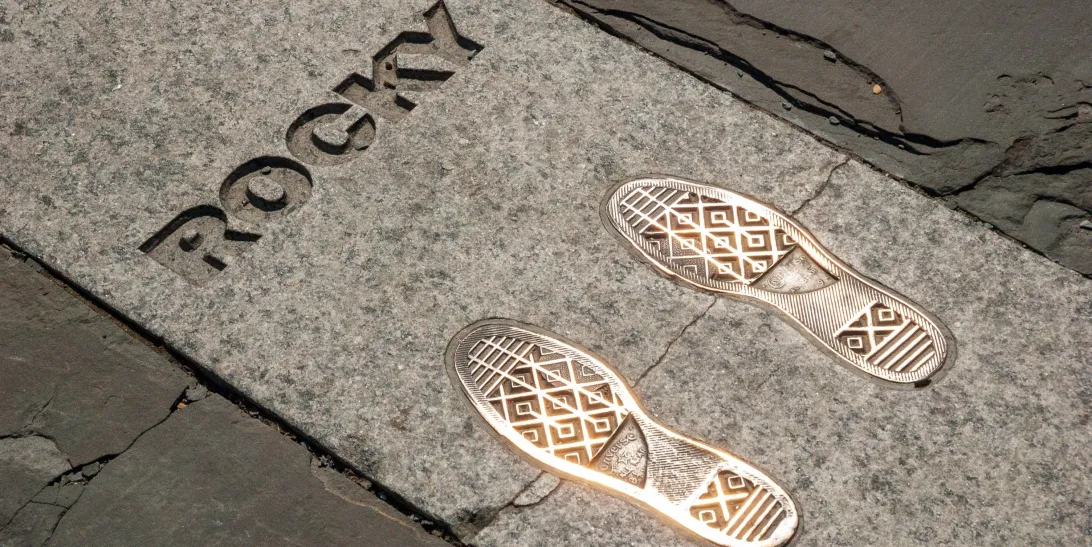
Beyond its founding landmarks, Philadelphia offers a rich cultural landscape. The Philadelphia Museum of Art, famous for both its collection and its iconic steps that played a prominent role in the “Rocky” movies, is one of the country’s premier art institutions. Neighborhoods such as Old City, Fishtown, and University City each offer distinct identities shaped by art, music, food, and local entrepreneurship. The city’s culinary reputation has expanded far beyond the well-loved cheesesteak, with nationally recognized restaurants and a vibrant network of neighborhood markets and food halls.
Historically, Philadelphia was once the largest city in the British colonies and briefly served as the nation’s capital. Its early wealth came from trade, manufacturing, and innovation, earning it a reputation as a city of “firsts,” including the first public library, hospital, and zoo in the United States. Over time, industrial decline and population loss challenged the city, but recent decades have brought renewed investment, population growth in the urban core, and a reassertion of Philadelphia’s cultural relevance.
4 Adam McCullough / Shutterstock.com
That sense of civic pride is especially visible during the city’s major annual events and festivals. The Fourth of July is a defining moment, marked by the Wawa Welcome America festival, which includes concerts, fireworks, and public programming centered on the city’s revolutionary legacy. The Philadelphia Flower Show, one of the largest and oldest horticultural events in the country, draws visitors each March and highlights the city’s historic connection to gardens and landscape design. Parades, cultural festivals, and neighborhood celebrations throughout the year reflect the city’s diversity and strong local identities.
Philly also has a special love for its sports teams – the Phillies, Eagles, Flyers, and ‘76ers franchises have brought more than their share of championship glory to the community.
Image credits:
ByDroneVideos. (2025 December 19). Sunset over Ben Franklin Bridge and Highrise Buildings Landscape at Philadelphia, Pennsylvania, United States [Photograph]. Shutterstock. Retrieved April 14, 2026 from Shutterstock
Brian Logan Photography. (2023 October 13) Evening view of LOVE Park, with its reproduction of Robert Indiana’s 1970 LOVE sculpture overlooking the plaza. Located in Center City section of Philadelphia [Photograph]. Shutterstock. Retrieved April 17, 2026 from Shutterstock
Sophia Zengierski. (2023 May 11). The Benjamin Franklin statue on a beach on Locust Walk at the University of Pennsylvania [Photograph]. Shutterstock. Retrieved April 17, 2026 from Shutterstock
Adam McCullough. (2024 April 6). A sign for the MLB Philadelphia Phillies [Photograph]. Shutterstock]. Retrieved April 17, 2026 from Shutterstock