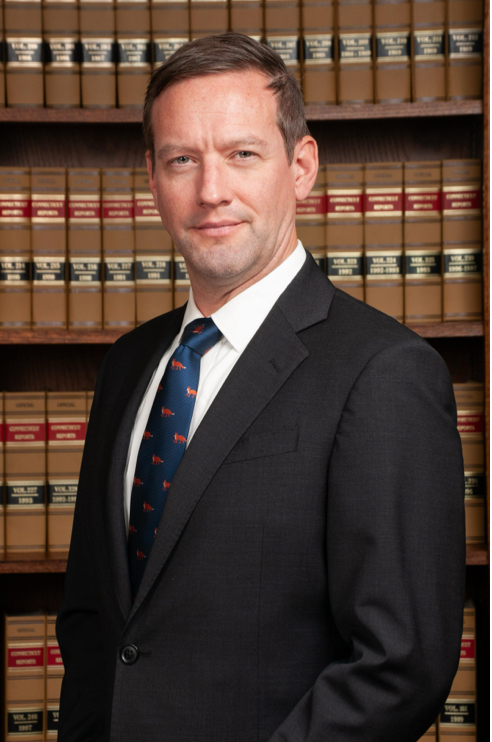
An early entrepreneur, Connecticut attorney finds his litigation niche
Articles
Spotlight
View more from News & Articles or Primerus Weekly

By Brian Cox
Attorney Adam Miller has the heart of an artisan – he appreciates the care, proficiency, and precision that can go into doing things the hard way.
Whether it’s fly fishing, skiing, or practicing law.
“I feel that doing things the hard way instills a sense of ownership, and a better and more thorough understanding of what you’re dealing with,” Miller says. “There’s nothing I like more than getting a new case, or a new referral, and digging into the investigation portion of it to figure out what’s going on.”
As part of helping clients in conflict, the Connecticut lawyer has a fascination for examining people’s best intentions, their duties and responsibilities, social norms, and human psychology. After practicing for almost a decade, the process of working through a tort claim or a complex litigation case and untangling it to find out what went wrong and where society has determined to assign responsibility is an intellectual challenge that continues to compel Miller.
Growing up on Connecticut’s shoreline, Miller was a “history and English kind of guy,” drawn to literature, language, and what he describes as “heavy things and processes and kind of finding the difficult way through things.” He loved books and papers and “objects with weight.” Even in his youth, he was inclined to resist shortcuts.
Miller’s father worked in management for Hartford Insurance Co.; his mother was a nurse. The family lived in a beautiful coastal town that was, in his words, “very nice and wonderful,” but life was also demanding. Miller’s sister has health challenges and caring for her required time, attention, and a degree of patience that shaped Miller’s childhood.
“I think I have a pretty pragmatic, defense-lawyer kind of mindset from dealing with that kind of adversity growing up,” he says.
From an early age, Miller was captivated by entrepreneurship. As soon as he got his driver’s license, he bought a pickup truck and noticed opportunities everywhere. His next-door neighbor was a landscape designer with clients up and down the shoreline, which inspired Miller to start his own landscaping business. He hired his friends and ran crews throughout high school.
“We would party in high school and then we’d work really hard and then we’d party and be at the beach,” he says. “It was a great life.”
It was also an education in leadership and leverage. Miller handled clients and logistics, paid his friends competitive hourly wages, and kept the margins.
“I’ve always been a hard worker,” he says, “but I also learned to make other people work for me.”
His entrepreneurial instinct carried him to the University of Denver, where he enrolled in a business program. Miller envisioned himself as a businessman and was open to seizing the right business opportunity when it came along.
At college, he gravitated toward real estate finance and construction management – a degree designed to produce developers. He was drawn to questions surrounding the way land could be read and reshaped, the way towns and cities emerged from planning decisions and capital flows.
“I love looking at the land around me from a business point of view,” Miller says. “I wanted to be a mover and shaker in terms of developing and planning how towns and cities would come to be.”
He worked construction jobs, ran finance projects, managed sites, and launched a market-research business for property managers throughout Denver. After graduation, he joined a company that bought and sold undeveloped land across the country. During the mid-2000s real estate boom, the work was lucrative and fast-paced. Investors wanted land; Miller helped find it, market it, and move it.
Then the recession hit, and the market collapsed, leading to the company’s dissolution.
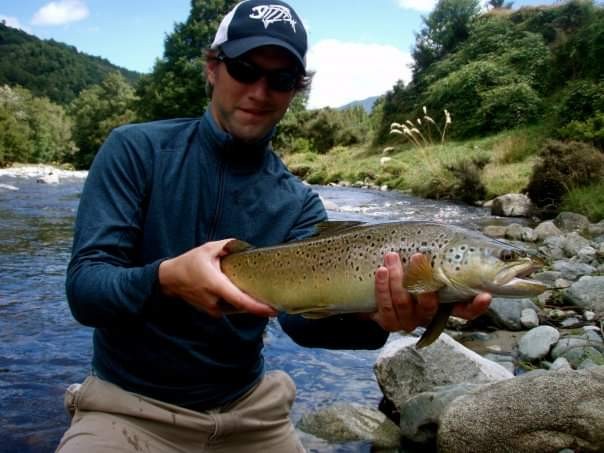
Suddenly unmoored, Miller drifted toward what had always steadied him: the outdoors. He took work as a fishing guide and at a fly shop in Denver. He spent time on a friend’s family ranch in Wyoming, fishing, hunting, riding horses, and considering life as a ranch broker, prioritizing conservation and open space.
“That’s what I was into,” he says. “It was sustainable. It provided jobs for cowboys, which is like a dying industry. And it would conserve the wide-open spaces for migratory species.”
Conservation had long been part of Miller’s identity. An Eagle Scout, he had completed his service project by routing trail signs out of redwood planks – naturally rot-resistant – for the Madison Land Conservation Trust along the Hammonasset River, where he grew up fishing. More than two decades later, many of those signs still stand. He became involved with Trout Unlimited early and remains active with the organization, serving on boards and volunteering time on river protection, flow management, and public comment drafting.
Environmental law, at that point, seemed like the natural synthesis of Miller’s interests: business, land, water, and advocacy. People had told him for years that he should go to law school. He liked arguing. He liked critical thinking. He liked constructing persuasive narratives.
“I always wanted to go to law school,” he says. “Everyone told me I should go to law school.”
While guiding and working at the fly shop, Miller studied for the LSAT. He traveled to New Zealand with a friend and spent weeks fishing its rivers, contemplating staying indefinitely. Instead, an acceptance letter from Vermont Law and Graduate School – then one of the top environmental law programs in the country – pulled him back to the States.
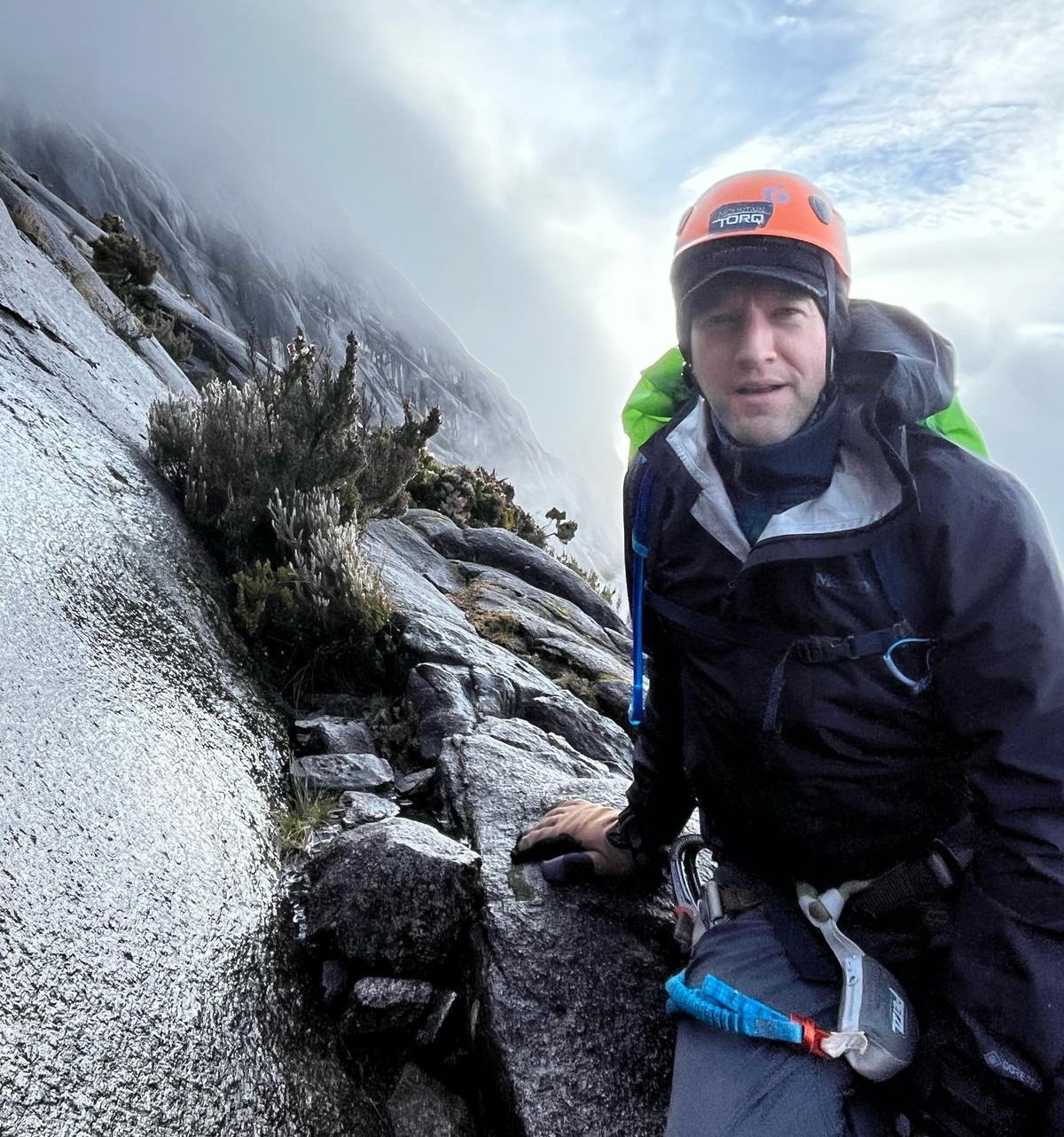
Going to law school in his early thirties, after years of gaining experience in business and construction, proved invaluable.
“I was very glad to have had life experience before I went to law school,” he says. “I don’t think I would have liked to go right from undergrad.”
He went to Vermont with the idea that he would learn environmental law, then return west to practice water law, litigating rights disputes in arid states where water, not land, was the scarce resource. Law school itself proved affirming. Miller loved the work, the structure, and the intellectual rigor.
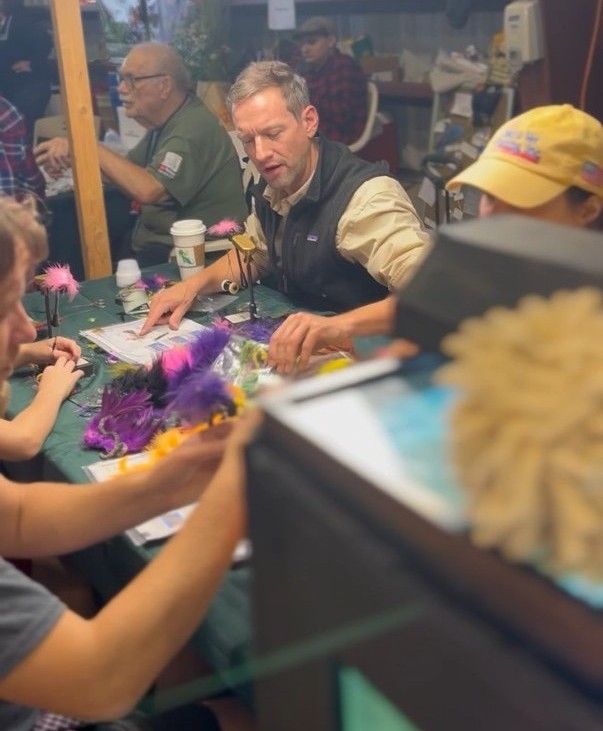
By the time he graduated, however, his view of the law had shifted. Many classmates pursued regulatory, nonprofit, or government roles. Miller had loans to pay and a growing realization that what truly energized him was litigation – the theater of court, the craft of writing briefs, and the strategy of argument.
“I wanted to argue,” he says. “I wanted to wear a suit every day and go to court.”
Environmental litigation jobs, particularly for new graduates, often meant defending polluters – an uneasy fit for someone who was keen on conservation. Miller decided instead to focus on becoming a strong litigator first, trusting he could track back toward environmental work later.
His early years out of law school were improvisational. He worked as a solo practitioner, taking whatever cases he could find. He consulted for plaintiffs’ lawyers on medical malpractice matters, wrote motions and briefs, made court appearances for eviction and juvenile cases, and became experienced in Connecticut’s courts.
“I learned how the court system worked,” he says. “I learned court decorum. I learned to be a better writer.”
Still, operating alone had its limits. Miller wanted mentorship and feedback on how he could improve as a lawyer. Toward that end, he joined Susman, Duffy & Segaloff, P.C., where he spent three years deepening his litigation skills and refining his professional identity.
During COVID, burnout crept in, and Miller began looking for a new professional home. A familiar name surfaced: Frank Szilagyi. The two had crossed paths years earlier while representing aligned defendants in a protracted federal Section 8 housing case. Miller remembered Szilagyi’s presence, his approach to the law, and the way he handled the work.
It seemed like there might be a good fit there.
When Miller reached out to Szilagyi, the connection rekindled quickly. In 2022, he joined Szilagyi & Daly, where he now focuses on construction law, transportation cases, premises and automobile liability, municipal defense, products liability, professional liability, and real estate litigation – work that draws heavily on his pre-law background.
“With every case you get to be like a miniature expert in what it is about,” he says.
His construction knowledge, in particular, has proved useful. Miller understands how buildings are put together and how failures occur. In one recent case, he immersed himself in the science and regulation of lead and asbestos testing, mastering methodologies well enough to evaluate experts and build strategy.
“That’s why I like litigation rather than doing the same thing over and over again,” he says. “I like the variety.”
Miller almost can’t help drawing connections between his passion for fly fishing and the practice of law. To him, litigation is similar to a current that must be read and navigated. Once a case begins, it takes on a life of its own.
“I often think of litigation like a river,” he says. “Once somebody starts it, it’s going to keep going. As much as your client doesn’t want it to. You cannot dam it up or pretend it isn’t there.”
Miller says, as an attorney, he has to learn the case’s contours, anticipate its hazards, and guide his client through it with realism and care.
Fly fishing, Miller notes, demands a similar approach. The angler must think about what is happening beneath the surface. The fish, after all, is the expert.
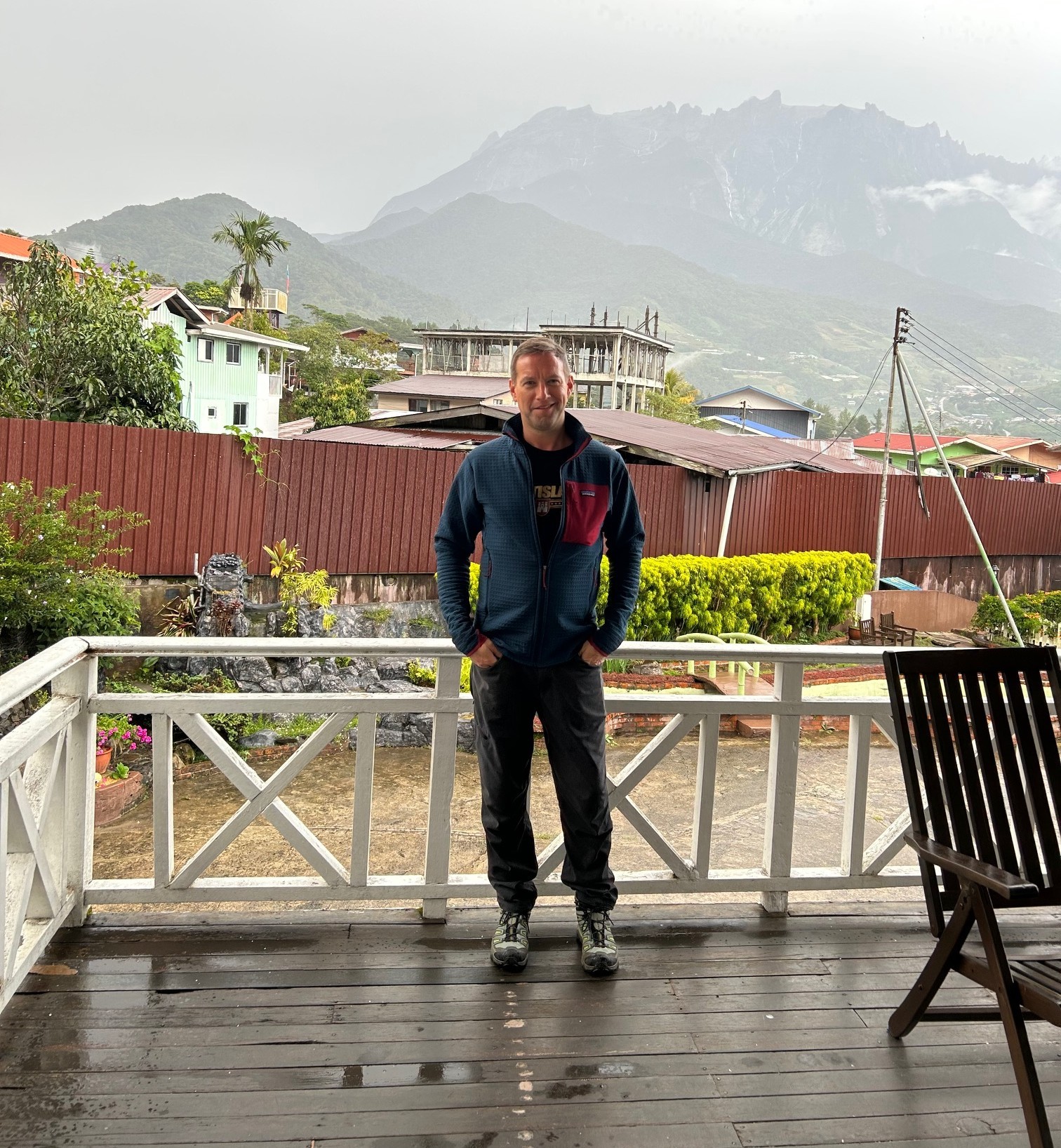
“I think getting into the mindset of trying to adapt and figure out what is going to sell this fish on your idea of what's going to happen in the next couple of minutes is a similar intellectual pursuit to law,” he says.
Success requires understanding the audience, the conditions, and the unseen pressures.
Outside the office, Miller’s life remains shaped by water and snow. He lives near the Farmington River, one of the region’s premier fly fishing destinations, and remains involved with Trout Unlimited chapters. He skis whenever he can. He photographs, draws, and travels, having fished across the United States and abroad, from Montana and Wyoming to New Zealand and Singapore.
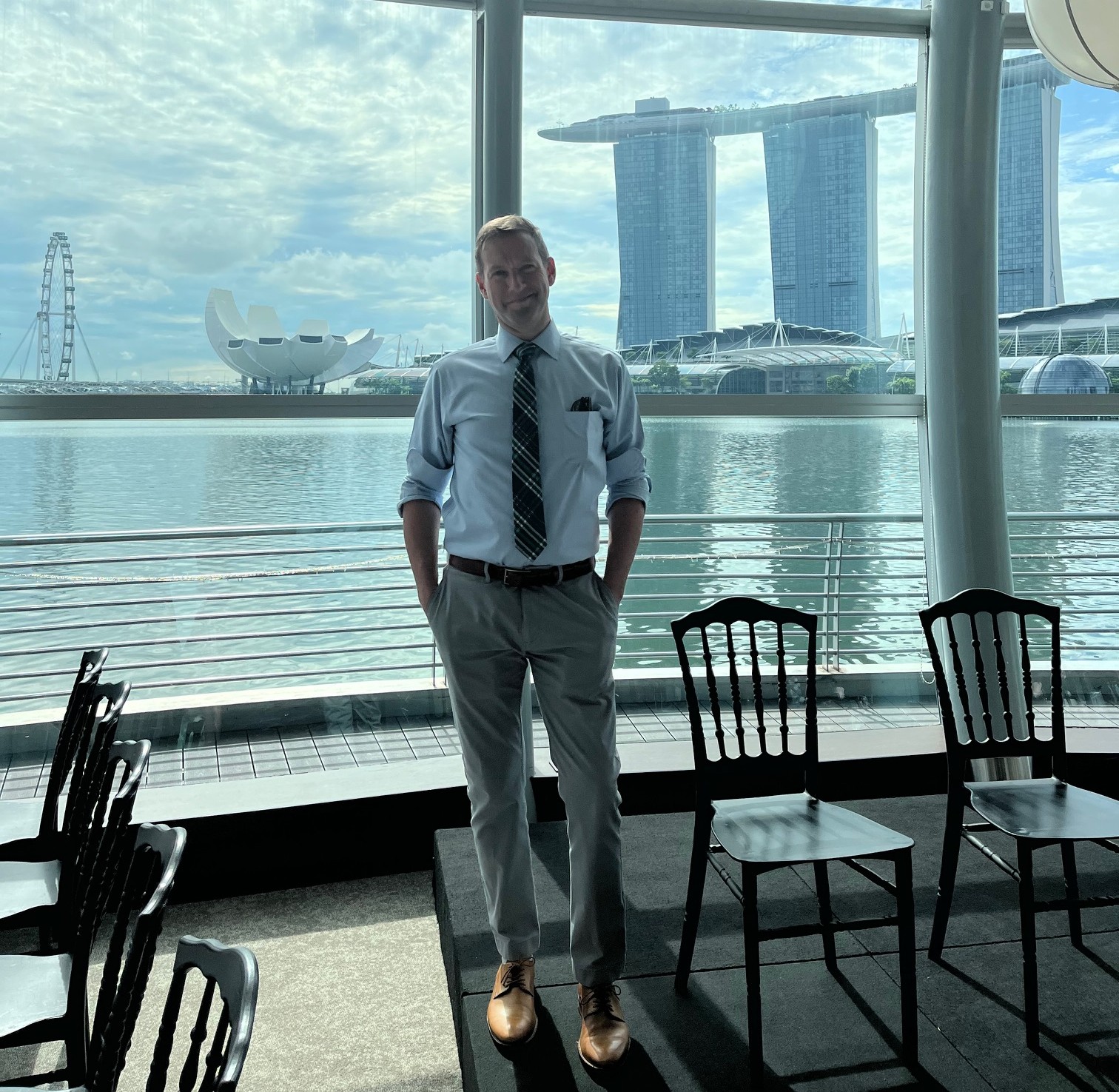
Every place, he notes, requires learning anew. There is no substitute for local knowledge.
He approaches his practice at Szilagyi & Daly with a similar sensibility. He values community, mentorship, and being physically present in the office. He appreciates how work is shared in the firm, how strategy is discussed openly, and how younger lawyers are supported.
“One thing that I love about working at Szilagyi & Daly is what a great mentor Frank is,” he says. “He is the kind of cool, forceful, confident, and competent personality that I would like to model myself on.”
In a profession built on an adversarial structure, Miller appreciates the firm’s collegiality and emphasis on collaboration.
“I think the firm that I work for is very homey and comfortable, and it feels a little bit different from places I’ve worked in the past,” he says. “It’s nice to be in a firm where people are genuinely trying to lift you up and bring everyone along in a collaborative way rather than an adversarial way.”