

Washington, D.C. Cherry Blossom Festival Travelogue
Articles
Travelogues
View more from News & Articles or Primerus Weekly

By Tom Kirvan
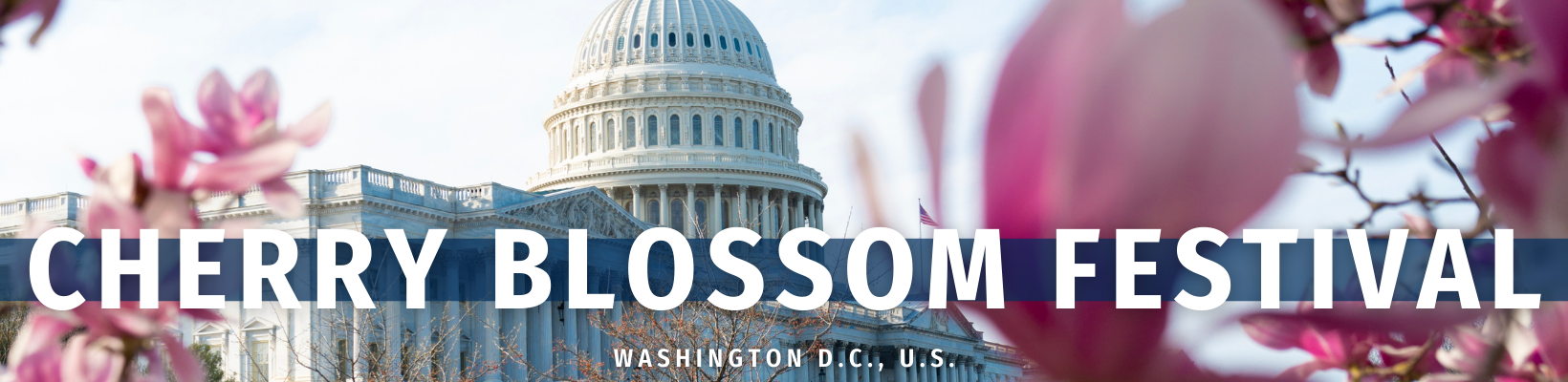
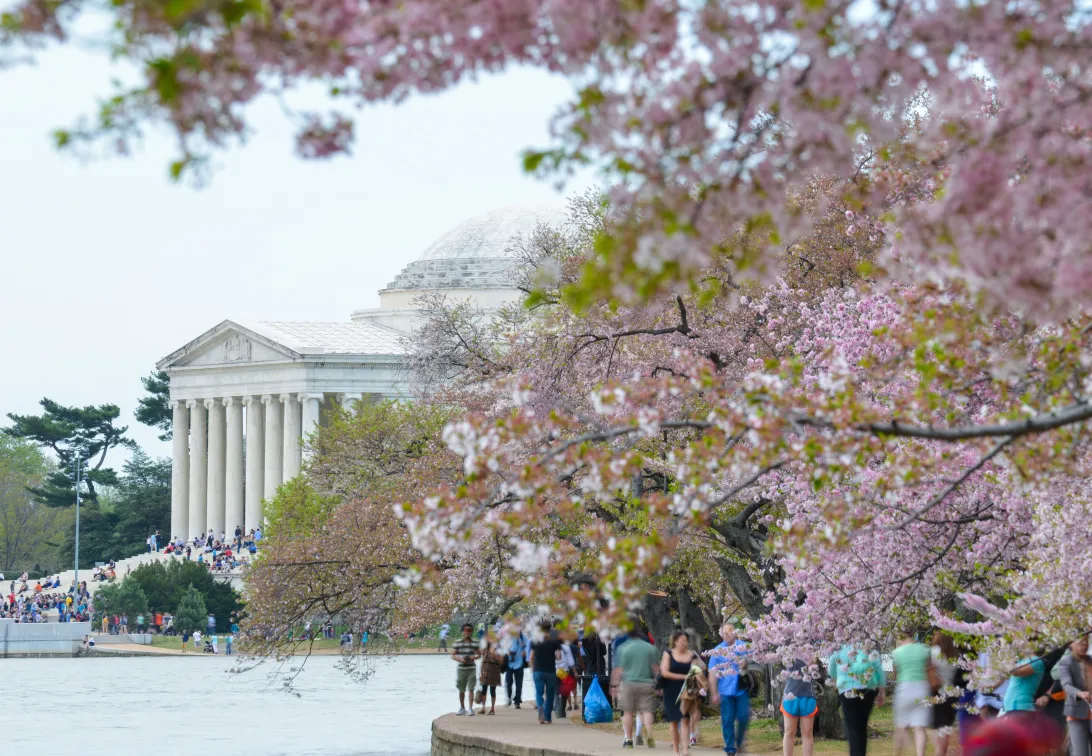
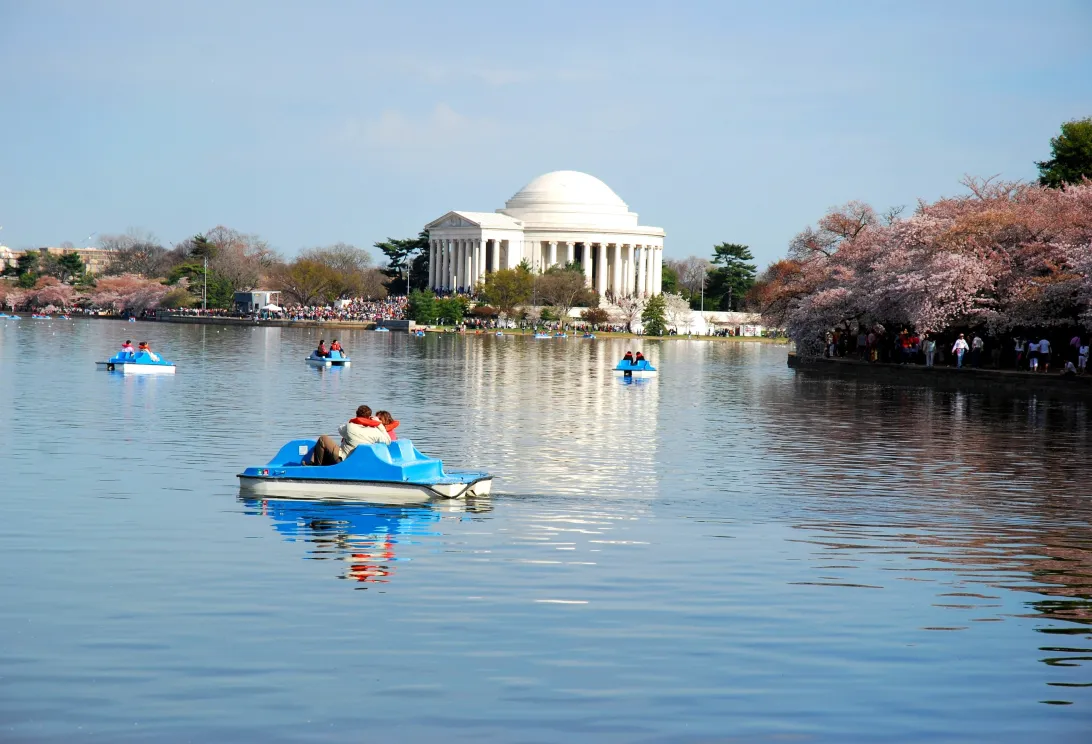
Each spring, Washington, D.C. is transformed by soft pink and white blooms as the city hosts the National Cherry Blossom Festival, one of the most beloved seasonal events in the United States. Centered around the blooming of thousands of cherry trees surrounding the Tidal Basin, the festival celebrates renewal, international friendship, and the arrival of warmer days, drawing millions of visitors to the nation’s capital. The Tidal Basin is a man-made reservoir in West Potomac Park that serves as a backdrop to the Jefferson Memorial, the Franklin Delano Roosevelt Memorial, and the Martin Luther King Jr. Memorial.
The Cherry Blossom Festival typically takes place from late March through early April, with exact dates shifting each year based on weather conditions. While the festival spans several weeks, its most anticipated moment is “peak bloom,” defined as the period when roughly 70 percent of the cherry blossoms are open. Peak bloom usually lasts only a few days, making timing critical for visitors hoping to experience the blossoms at their most dramatic stage.
The festival’s schedule is designed to bracket this unpredictable window, ensuring that major events occur regardless of whether blooms arrive early or late.
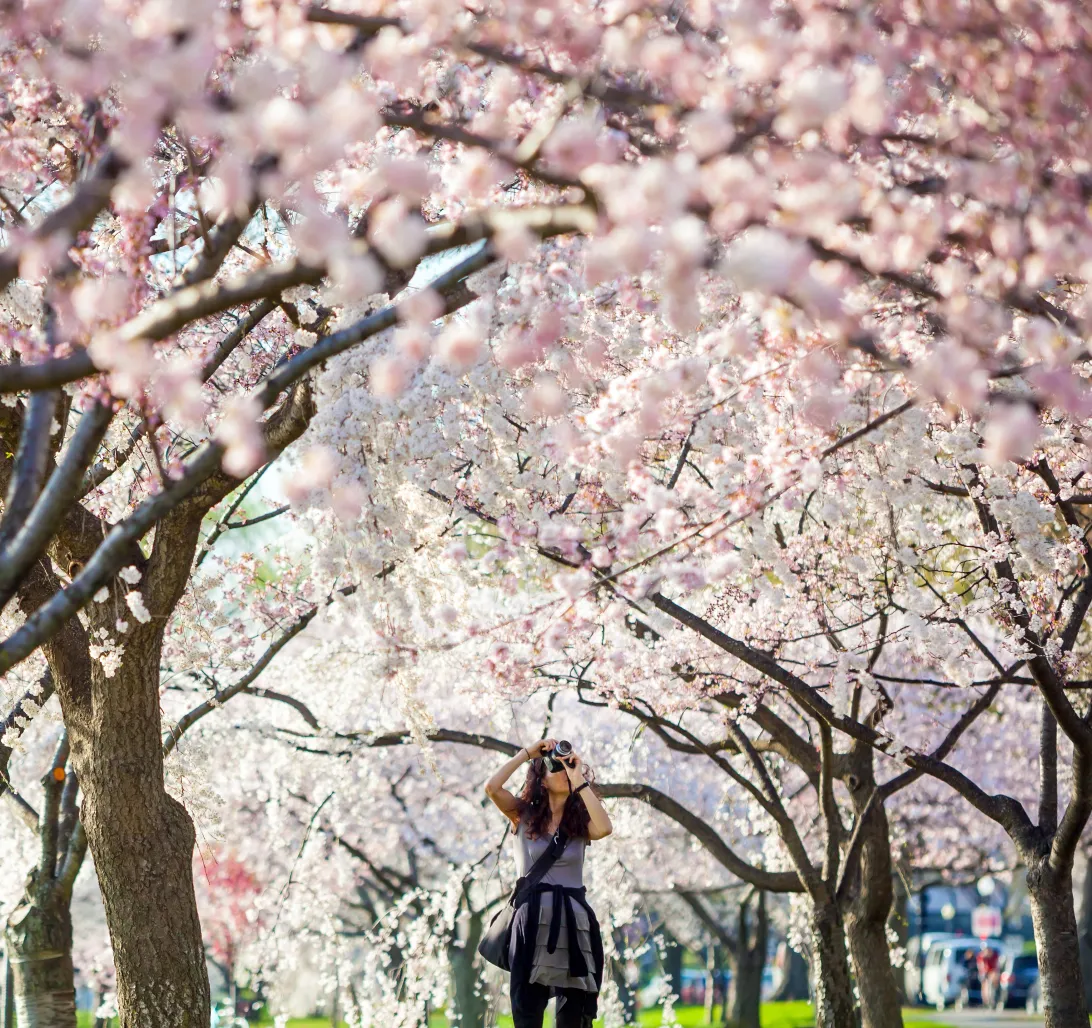
Festival programming includes a wide range of cultural, recreational, and family-friendly events. Highlights include the opening ceremony, which honors the festival’s international roots; the Blossom Kite Festival on the National Mall; and the National Cherry Blossom Festival Parade, featuring elaborate floats, marching bands, and performers.
Visitors can also take part in walking and biking tours around the Tidal Basin, boat rentals that offer views from the water, and evening strolls beneath illuminated blossoms. Museums, embassies, restaurants, and local businesses throughout the city participate with themed exhibits, menus, and performances, extending the celebration well beyond the waterfront.
The cherry blossoms themselves are a gift from Japan, as the first trees were planted in 1912 as a symbol of friendship between the two nations. The original donation included more than 3,000 trees, many of which still bloom today. Over time, the annual flowering became a celebrated local event, eventually evolving into a formal festival by the mid-20th century.
The festival’s history is deeply tied to diplomacy and cultural exchange, and it remains a living reminder of the enduring relationship between Japan and the United States. This international dimension continues to shape festival programming and global interest.
Today, the Cherry Blossom Festival attracts more than a million visitors each year, making it one of the largest seasonal festivals in the country. Tourists travel from across the United States and around the world, drawn by the fleeting beauty of the blossoms and the iconic setting of Washington’s monuments.
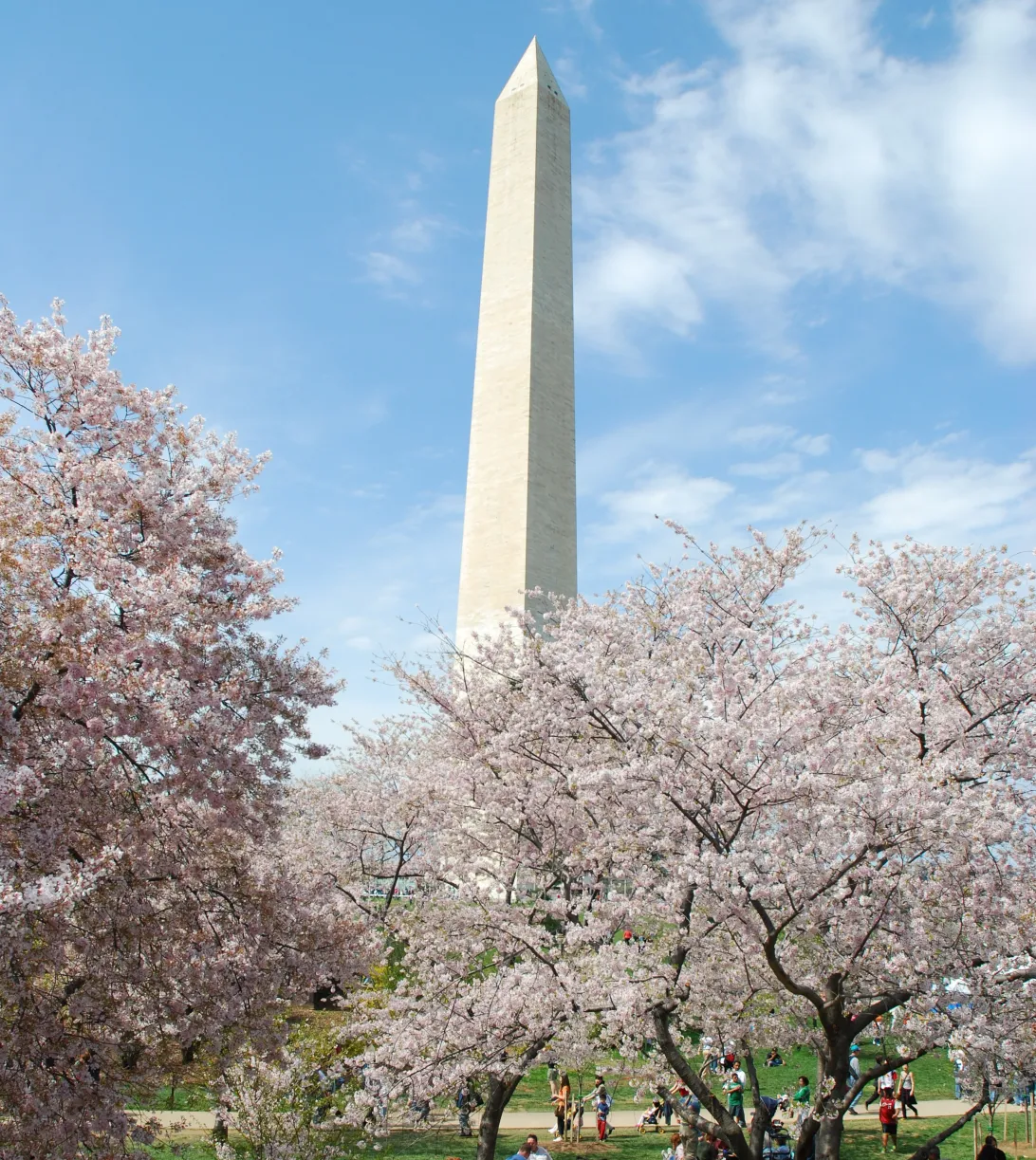
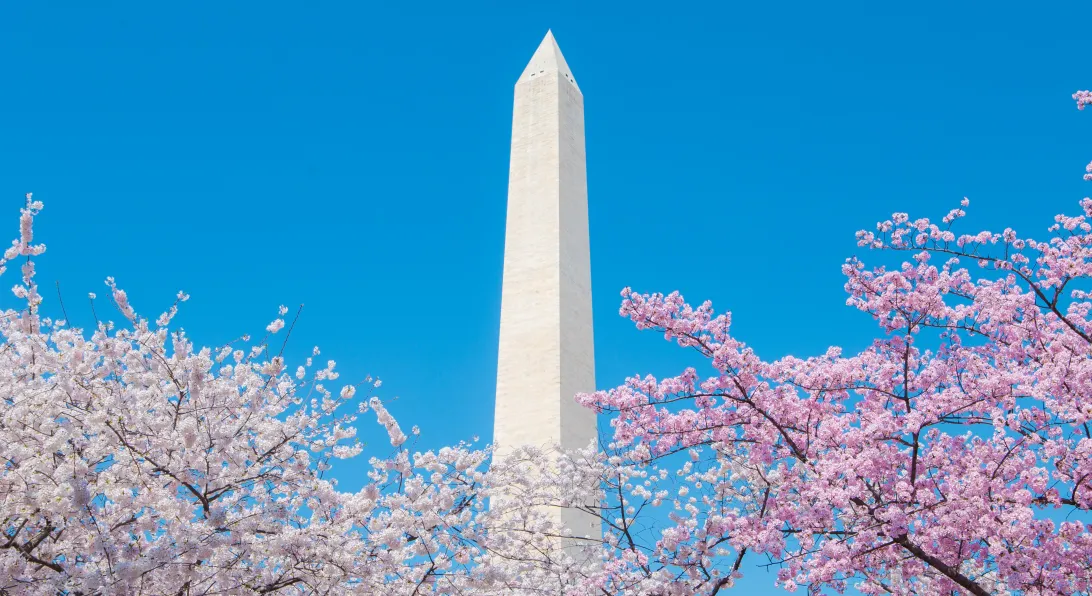
The festival’s popularity has only grown in the age of social media, where images of the blossoms framed by the Jefferson Memorial or Washington Monument are shared worldwide. For many visitors, attending the festival has become a once-in-a-lifetime experience or an annual tradition.
The Cherry Blossom Festival provides a significant economic boost to the Washington, D.C. region. Hotels experience near-capacity occupancy during peak bloom periods, while restaurants, tour operators, retail shops, and transportation services see substantial increases in demand.
The influx of visitors supports thousands of jobs in hospitality, event production, security, and tourism services. Local businesses often rely on the festival as a major contributor to spring revenue, helping bridge the gap between slower winter months and the busy summer travel season.
City officials and tourism organizations estimate that the festival generates hundreds of millions of dollars in regional economic activity each year, reinforcing its importance not only as a cultural event but also as a key driver of economic vitality.
More than a celebration of flowers, Washington, D.C.’s Cherry Blossom Festival represents renewal, international friendship, and shared public space. Its brief but powerful bloom reminds visitors of the beauty found in impermanence, and of the ways culture, history, and economic life can converge in a single seasonal moment.
More information about Washington, D.C.'s Cherry Blossom Festival can be found at: https://nationalcherryblossomfestival.org/