

France Travelogue
Articles
Travelogues
View more from News & Articles or Primerus Weekly

By Tom Kirvan
Few countries capture the imagination like France, a land where art, cuisine, fashion, and history come together in perfect harmony. Located in Western Europe, France is known for its stunning landscapes, iconic landmarks, and deep cultural roots. With a population of around 68 million people, it remains one of the world’s most visited countries, drawing travelers in with its romantic cities, alpine peaks, rolling vineyards, and Mediterranean coastlines.
France stretches from the English Channel in the north to the Mediterranean Sea in the south, and from the Atlantic Ocean in the west to the Alps and Rhine River in the east. Its diverse geography includes coastal plains, lush river valleys, rugged mountains, and sun-drenched beaches. The country also includes several overseas territories, which expand its reach beyond Europe to the Caribbean, South America, and the Indian and Pacific Oceans.
At its heart lies Paris, the nation’s capital and most populous city. Often referred to as “The City of Light,” Paris is renowned for its architecture, museums, cuisine, and unparalleled style. From the romantic Seine River to the artistic enclave of Montmartre, Paris pulses with a spirit that has inspired poets, painters, and visitors from around the world for centuries.
In the French Alps near the border with Italy, Mont Blanc rises to 15,781 feet, making it the highest mountain in Western Europe. A symbol of French alpine majesty, Mont Blanc attracts climbers, skiers, and outdoor enthusiasts from across the globe. The nearby town of Chamonix served as the site of the first Winter Olympics in 1924 and remains a mecca for adventure sports year-round.
France’s history stretches back thousands of years – from the ancient Gauls and Roman conquests to the more modern age of monarchs and revolutionaries. The French Revolution in 1789 reshaped not only the country but also the modern world, inspiring movements for liberty, equality, and fraternity.
In the 20th century, France played a central role in both World Wars. Sites such as the Normandy D-Day beaches and the Somme battlefields draw many international visitors paying tribute to those who fought and died on French soil.
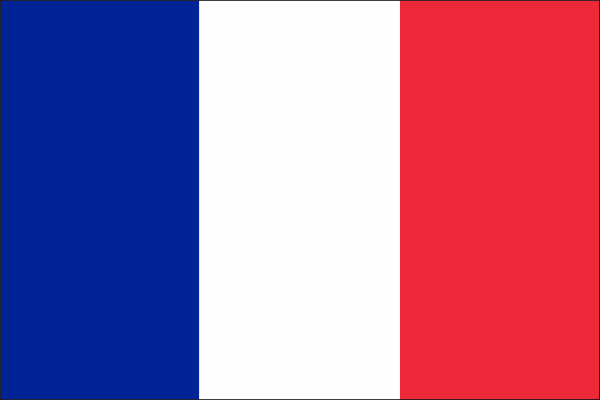
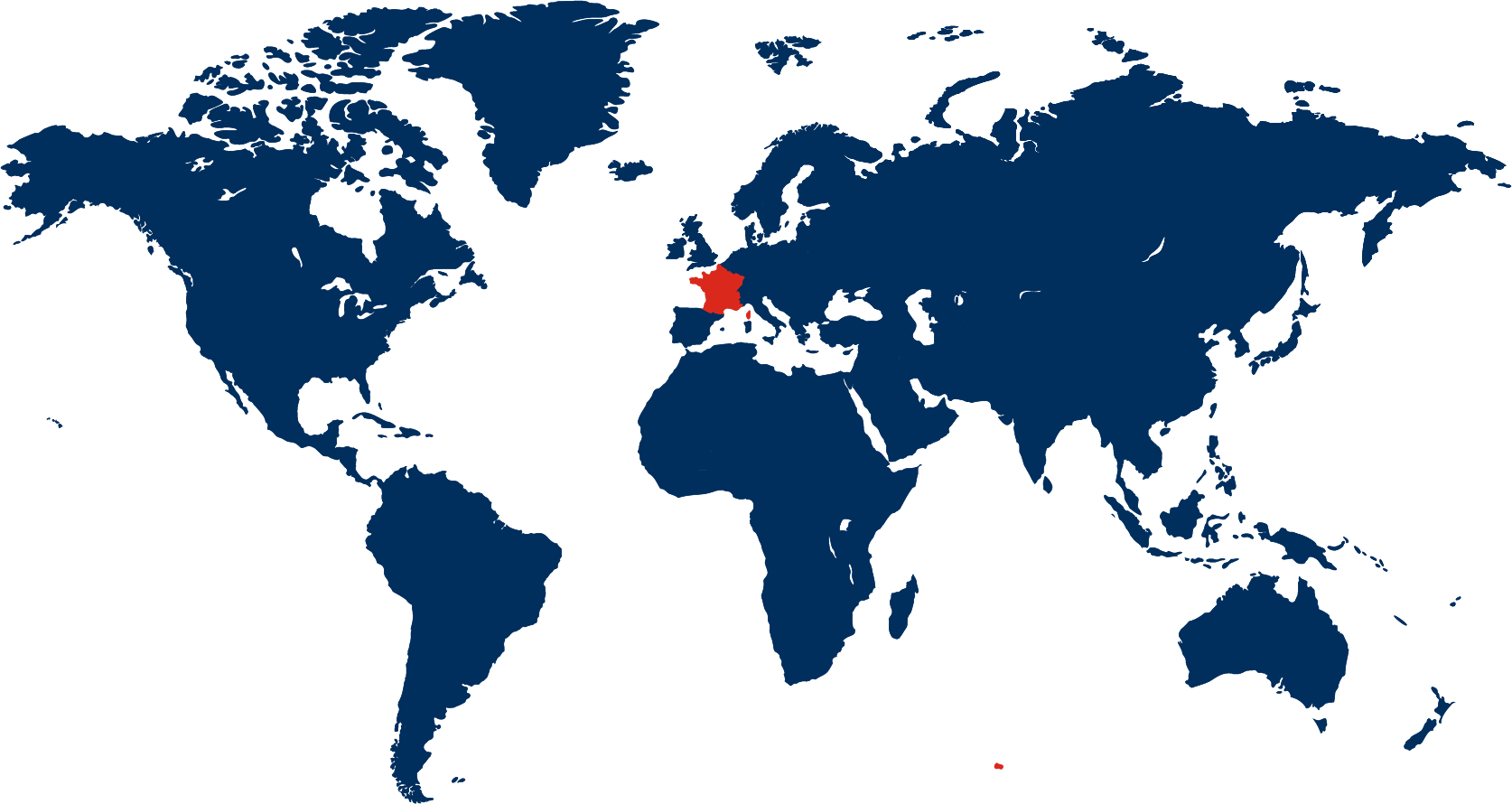
Capital: Paris
Population: 68 million
Highest point: Mont Blanc (15,781 feet)
Economic engines: Aerospace and auto manufacturing, agriculture, and tourism
Primerus Member: Jasper Avocats
Jasper Avocats, a full-service business law firm located in Paris.
France is also known as the birthplace of Enlightenment thinking, home to philosophers like Voltaire, Rousseau, and Descartes. The country has also contributed significantly to art, fashion, and gastronomy. Its impact on the world continues through its leadership in global diplomacy, the arts, and cultural preservation.
France has hosted the Olympic Games a total of six times: three Summer Games (1900, 1924, and 2024, all in Paris) and three Winter Games (1924 in Chamonix, 1968 in Grenoble, and 1992 in Albertville).
Five Must-See Destinations