

Trinidad and Tobago Travelogue
Articles
Travelogues
View more from News & Articles or Primerus Weekly

By Tom Kirvan
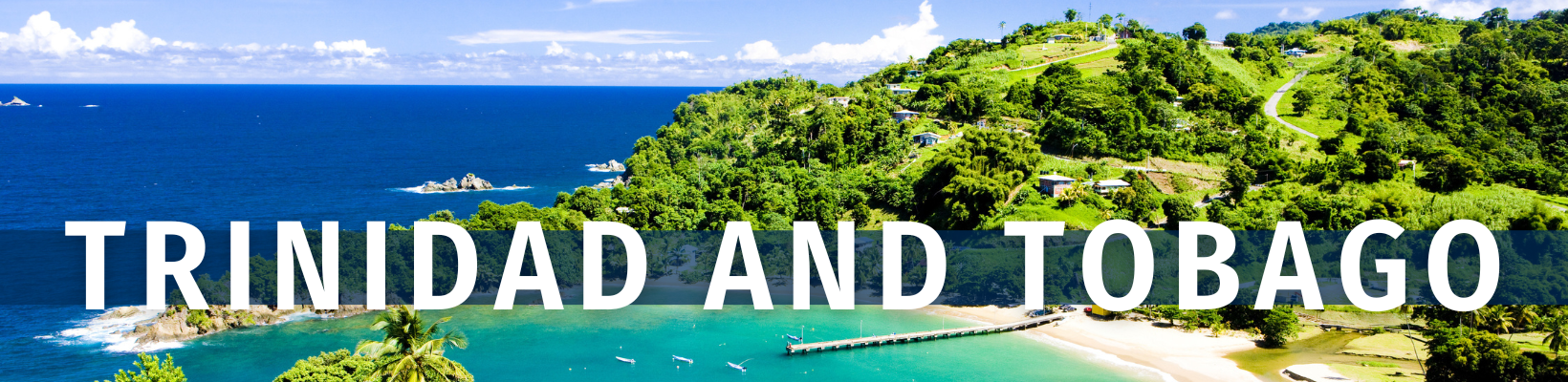
Situated just off the northeastern coast of South America, Trinidad is the larger of the two main islands that make up the Republic of Trinidad and Tobago. Known for its vibrant culture, diverse population, and rich biodiversity, Trinidad offers travelers a dynamic blend of natural beauty and cultural energy. With a population of approximately 1.3 million across both islands, most of whom live on Trinidad, this Caribbean nation has long been a crossroads of indigenous heritage, colonial legacy, and contemporary Caribbean life.
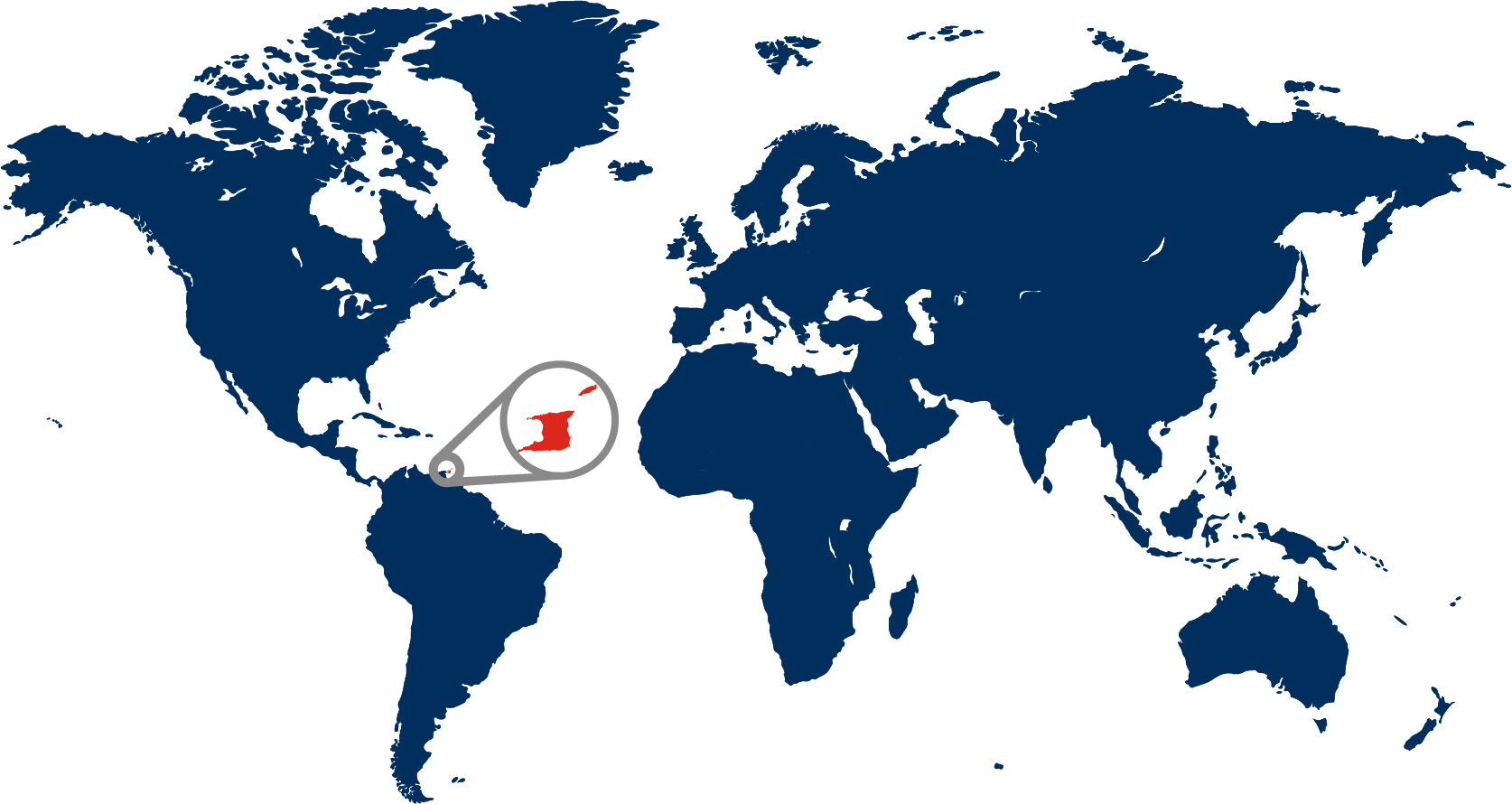
Trinidad lies just seven miles off the coast of Venezuela and is the southernmost island in the Caribbean. Unlike the region's more volcanic islands, Trinidad is geologically part of the South American continental shelf. This gives it a unique landscape of rolling plains, mangrove swamps, rainforest-covered hills, and offshore wetlands teeming with wildlife.
The capital city, Port of Spain, is located on the northwest coast of the island. It’s a bustling metropolis and cultural hub, known for its colonial architecture, lively street life, and as the home of Carnival, the island’s most famous celebration. From the business district to the vibrant art galleries, Port of Spain is the political and creative heart of Trinidad.
Trinidad’s highest point is El Cerro del Aripo, standing at 3,084 feet above sea level. Located in the Northern Range, the peak is surrounded by dense tropical rainforest and is part of the Aripo Savannas and Heights – a region rich in endemic flora and fauna. The area is a favorite among eco-tourists, bird watchers, and hikers seeking adventure and seclusion in one of Trinidad’s most pristine natural settings.
Trinidad's history is as complex and colorful as its culture. Originally inhabited by the Arawak and Carib peoples, the island was colonized by the Spanish in the 15th century, later changing hands to the British in 1797. The island’s sugar and cocoa plantations relied heavily on enslaved Africans until slavery was abolished in 1834, after which indentured laborers from India were brought in – leaving a lasting mark on the island’s culture, cuisine, and religion.
The population today reflects this diversity, with Afro-Trinidadian, Indo-Trinidadian, European, Chinese, and Middle Eastern communities contributing to the country's unique cultural mosaic. This fusion is especially evident during Carnival, a pre-Lenten festival marked by colorful costumes, soca and calypso music, and high-energy dancing in the streets.
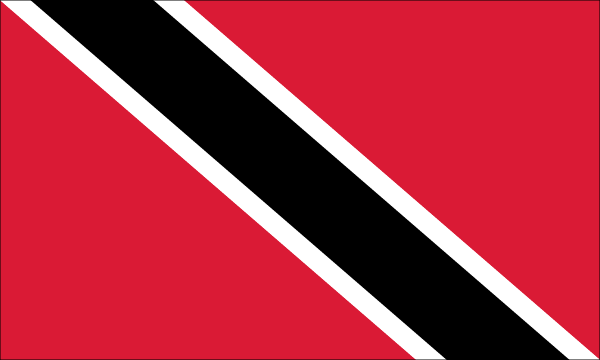
Capitals: Port of Spain (Trinidad) and Scarborough (Tobago)
Population: 1.3 million
Economic engines: Oil and gas production, agriculture, and tourism
Highest Point: El Cerro del Aripo (3,084 feet)
Primerus Member: Martin George & Company
Martin George & Company, a full-service law firm with offices in Port of Spain and Bacolet.
Trinidad gained full independence from Britain in 1962 and became a republic in 1976. Today, it is one of the Caribbean's most industrialized nations, buoyed by rich reserves of oil and natural gas, but remains deeply connected to its cultural traditions.
Five Must-See Destinations
Nestled in the southeastern Caribbean Sea, Tobago is the smaller and more serene of the two islands that form the Republic of Trinidad and Tobago. With a population of around 60,000 people, Tobago offers a peaceful alternative to its bustling sister island, blending laid-back island vibes with vibrant culture, lush landscapes, and rich history. It’s a place where rainforests meet coral reefs, and steelpan rhythms float on the sea breeze.
Tobago lies northeast of Trinidad, separated by about 20 miles of sea. At just 116 square miles, the island may be small, but its geography is diverse and breathtaking. Tobago boasts pristine beaches, rolling hills, protected rainforest, and coral reefs teeming with marine life. Its relatively undeveloped terrain makes it a paradise for eco-tourists and nature lovers.
The capital city of Tobago is Scarborough, located on the southwestern coast. While small in size, Scarborough is the island’s main commercial and administrative center. It features bustling markets, colonial-era architecture, and panoramic views from Fort King George, a restored 18th-century fort overlooking the harbor.
Tobago has one of the most contested colonial histories in the Caribbean. Between the 1600s and 1800s, it changed hands more than 30 times among European powers – including the Dutch, French, British, and Spanish. This turbulent history has left behind forts, place names, and cultural influences from across Europe.
Unlike Trinidad, Tobago was primarily an agricultural colony and relied heavily on enslaved African labor to work its sugar and cotton plantations. After emancipation in 1834, many formerly enslaved people settled in rural villages and maintained cultural traditions that remain strong today.
In 1889, Tobago was politically united with Trinidad, and in 1962, the nation gained independence from Britain. Tobago has retained a distinct identity, with its own local government and a strong sense of community rooted in tradition, storytelling, and celebration.