

Hawaii Travelogue
Articles
Travelogues
View more from News & Articles or Primerus Weekly

By Tom Kirvan
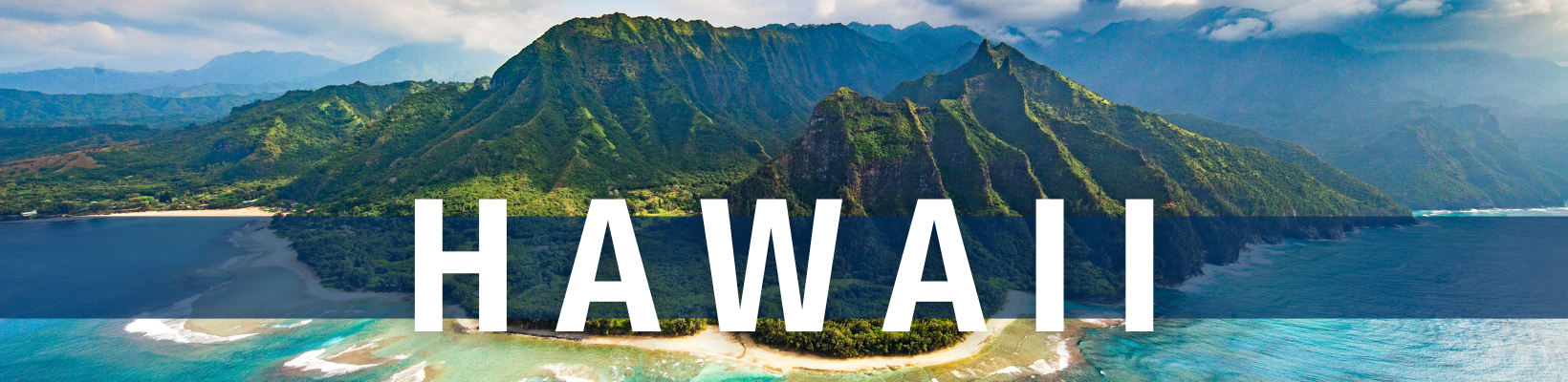
With its lush rainforests, volcanic peaks, golden beaches, and deep cultural roots, Hawaii is unlike any other place in the United States. This Pacific-island chain, located nearly 2,500 miles from the U.S. mainland, is both remote and inviting – a tropical paradise that blends natural wonder with a rich Polynesian heritage. Home to about 1.4 million people, Hawaii welcomes millions of visitors each year who come in search of beauty, adventure, and the spirit of aloha.
Hawaii is the only U.S. state composed entirely of islands, made up of eight main islands: Hawaii (The Big Island), Maui, Oahu, Kauai, Molokai, Lānai, Niihau, and Kahoolawe. The islands were formed by volcanic activity and still exhibit dramatic geological features, including craters, lava tubes, and black sand beaches. The Pacific Ocean surrounds the state on all sides, and its geography includes everything from snowy peaks and volcanic deserts to coral reefs and rainforests.
The state capital is Honolulu, located on the island of Oahu. As Hawaii’s largest city and the cultural, economic, and political center, Honolulu offers an exciting mix of urban energy and tropical charm. Iconic Waikīkī Beach, bustling nightlife, and rich historical sites like Pearl Harbor make it a top destination for visitors from around the world.
Rising to 13,796 feet above sea level, Mauna Kea on the Big Island is Hawaii’s highest point – and technically the tallest mountain in the world when measured from its base on the ocean floor. A dormant volcano, Mauna Kea is home to world-class astronomical observatories and offers breathtaking stargazing. The summit often sees snow, providing a surreal contrast to the island’s tropical climate below.
Hawaii’s history is as rich as its landscapes. The islands were first settled around 1,500 years ago by Polynesians who navigated thousands of miles from their homes of origin using only the stars and ocean currents. They established a complex society ruled by chiefs and rooted in traditions like hula, storytelling, and respect for the land.
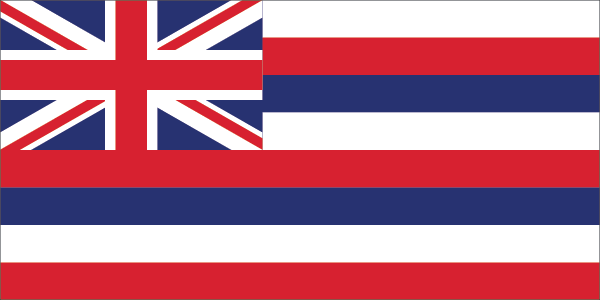

Capital: Honolulu
Population: 1.4 million
Economic engines: Tourism, agriculture, and defense spending
Highest Point: Mauna Kea (13,796 feet)
In 1778, British explorer Captain James Cook became the first European to arrive in Hawaii. By the late 19th century, American influence had grown, culminating in the controversial overthrow of the Hawaiian Kingdom in 1893. Queen Liliʻuokalani, Hawaii’s last monarch, remains a powerful symbol of resistance and cultural pride.
Hawaii became a U.S. territory in 1898 and was admitted as the 50th state in 1959. Today, movements to preserve the Hawaiian language, culture, and sovereignty continue, with many Native Hawaiians advocating for greater recognition and respect for their ancestral heritage.
Five Must-See Destinations