

Rhode Island Travelogue
Articles
Travelogues
View more from News & Articles or Primerus Weekly

By Tom Kirvan
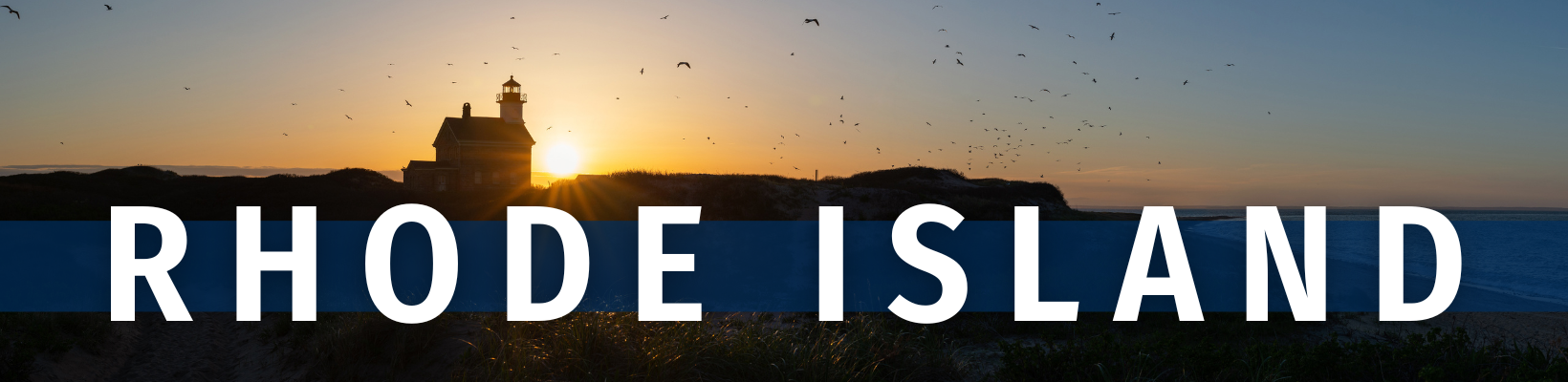
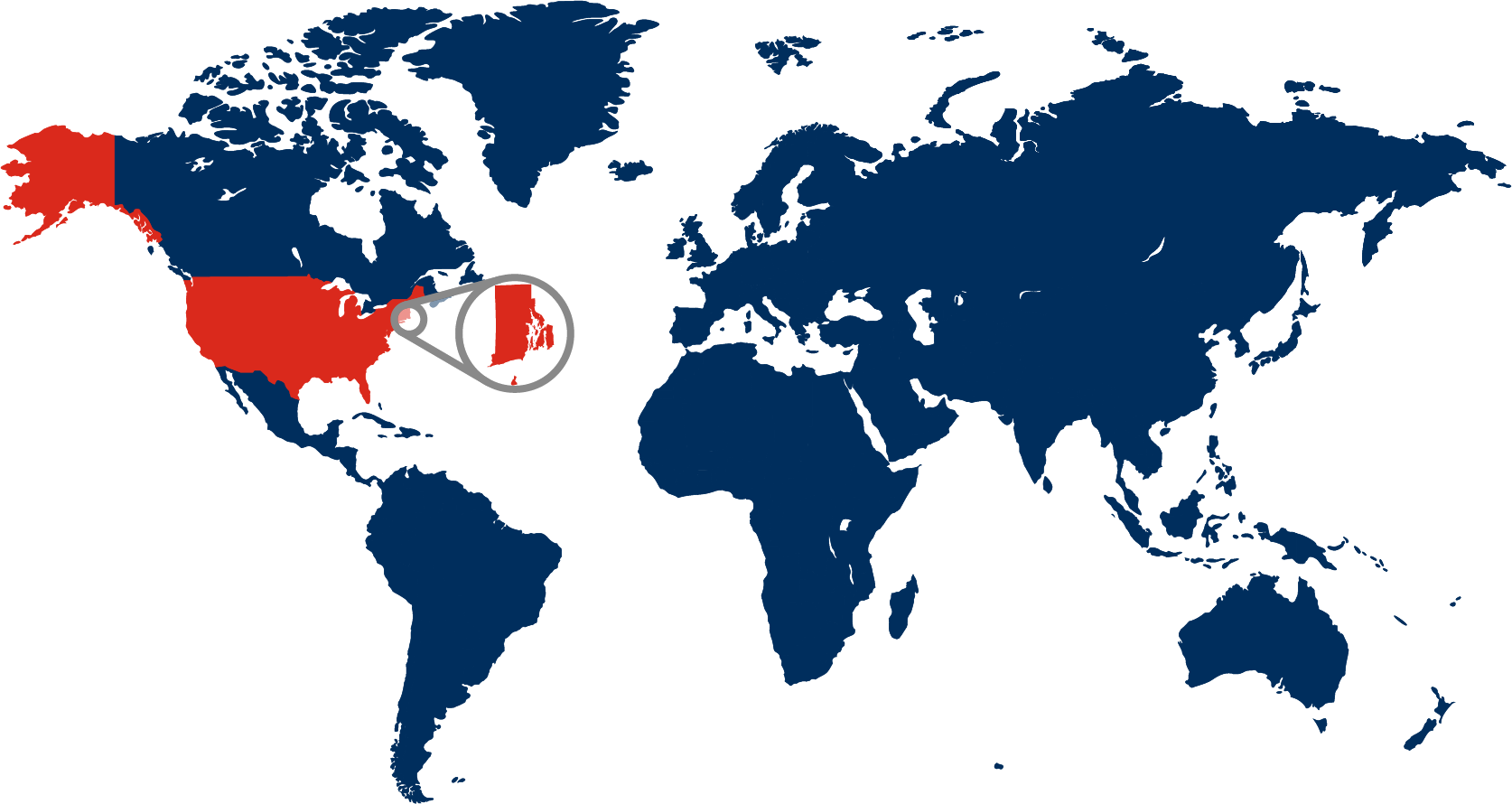
Though it may be the smallest state in the U.S. by land area, Rhode Island is rich in charm, history, and scenic coastal beauty. Known as the "Ocean State," this New England gem offers more than 400 miles of shoreline, picturesque seaside towns, and a cultural heritage that dates back to the colonial era. Whether you're strolling along historic wharves, relaxing on sandy beaches, or exploring architectural treasures, Rhode Island packs a surprising variety of experiences into its compact footprint.
Rhode Island is home to just over 1 million residents, making it the seventh least populous state. Despite its small size, the state is densely populated and highly urbanized in areas, especially around Providence and the Narragansett Bay. Its population is diverse, with strong Portuguese, Italian, Irish, and Cape Verdean communities, especially in urban centers.
Geographically, Rhode Island features a blend of coastal lowlands, saltwater bays, and inland hills. Narragansett Bay, a defining feature of the state, cuts into its eastern coastline and is home to numerous islands and inlets. The state's small size allows travelers to explore beaches, farms, forests, and cities all within a short drive.
Rhode Island has a proud and independent history. Founded in 1636 by Roger Williams, a religious dissenter who was banished from the Massachusetts Bay Colony, the colony became a haven for religious freedom and tolerance. It was the first of the original thirteen colonies to declare independence from British rule in 1776 and the last to ratify the U.S. Constitution.
The state played a significant role in the American Revolution and later became a hub of the Industrial Revolution in the 19th century. With numerous historic towns, preserved colonial architecture, and centuries-old institutions, Rhode Island continues to celebrate its legacy of independence and innovation.
Capital: Providence
Population: 1 million
Highest Point: Jerimoth Hill (812 feet)
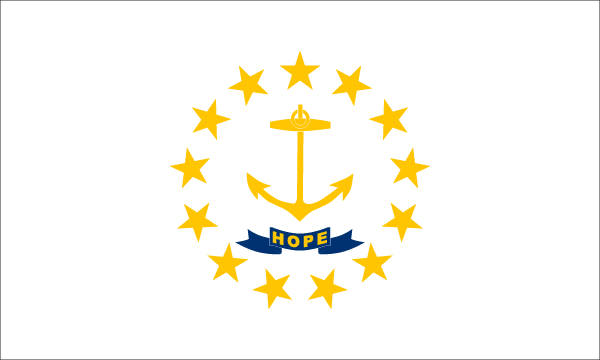
Motto: Hope
Rhode Island's economy is a mix of services, manufacturing, education, and tourism. In the past, the state was a center for textile manufacturing and jewelry production. While some traditional industries have declined, others like health care, higher education, and marine have grown.
Tourism is a major economic driver, particularly in the summer months when visitors flock to coastal destinations like Newport and Block Island. The state's numerous universities, including Brown University and the Rhode Island School of Design (RISD), contribute to a vibrant cultural and intellectual atmosphere.
Providence is both the capital and the most populous city of Rhode Island. It’s one of the oldest cities in the U.S., founded in 1636, and it has grown into a lively urban center that combines historic charm with modern vitality. Known for its riverside parks, colonial-era buildings, and thriving arts scene, Providence is also a college town, home to several prestigious institutions.
The city’s downtown area is a hub of culture and dining, while neighborhoods like Federal Hill (known for Italian cuisine) and College Hill (home to Brown University and RISD) showcase the city’s rich diversity and creative spirit.
Five Must-See Destinations