

Slovenia Travelogue
Articles
Travelogues
View more from News & Articles or Primerus Weekly

By Tom Kirvan
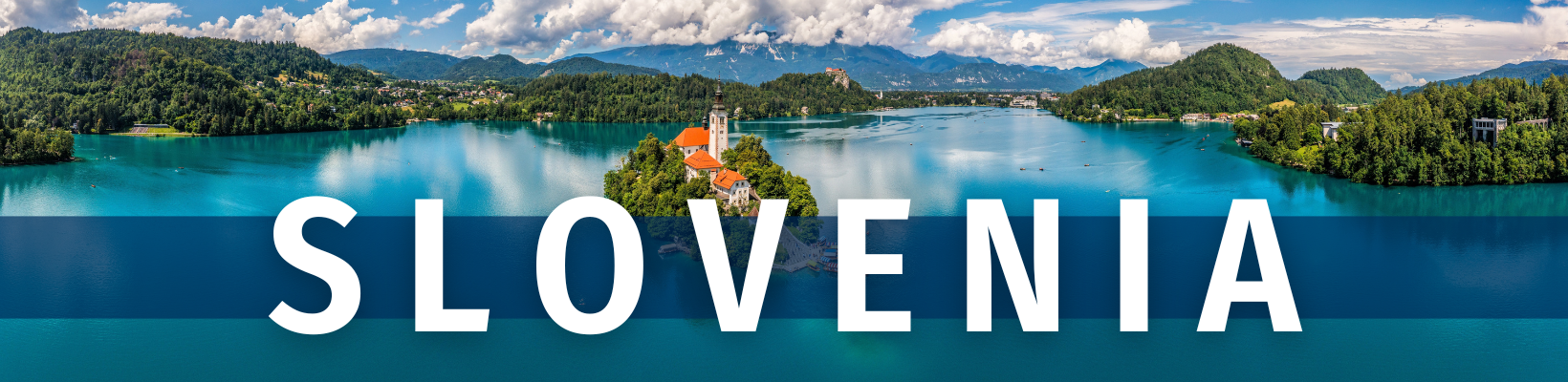
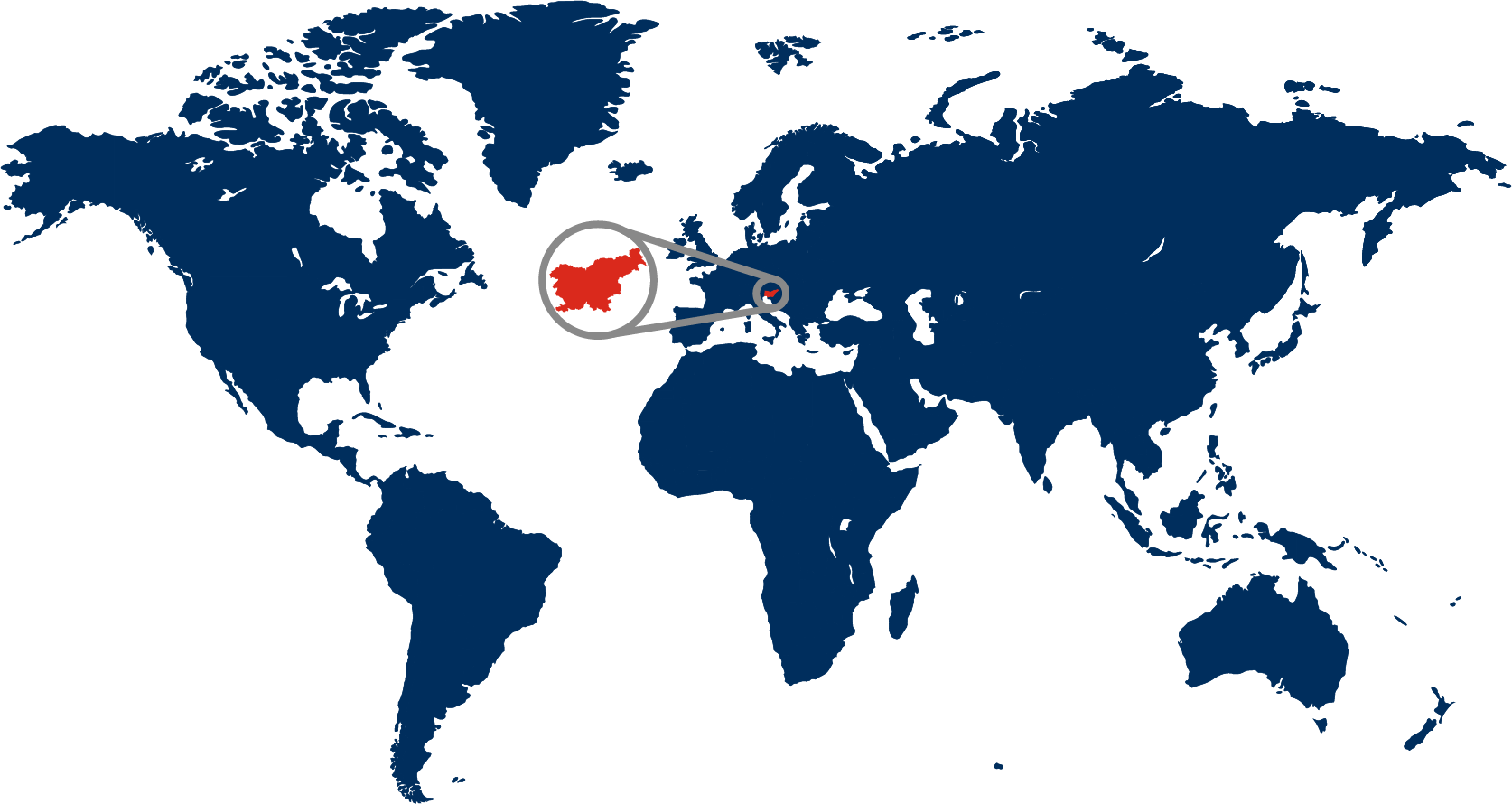
Tucked between the Alps and the Adriatic Sea, Slovenia is a small yet stunningly diverse country that often flies under the radar of mainstream tourism. With its charming medieval towns, vibrant cities, crystal-clear lakes, and majestic mountains, Slovenia offers a captivating experience for every traveler. Rich in culture, history, and natural beauty, Slovenia is the perfect destination for those seeking adventure, relaxation, and authenticity.
Slovenia has a population of around 2.1 million people. Despite its small size, the country is incredibly diverse, both culturally and geographically. Consisting primarily of ethnic Slovenes, the country is also home to Hungarian, Italian, and Roma minorities, particularly in the border regions.
Geographically, Slovenia is a treasure trove of natural beauty. It encompasses the Alpine mountains in the north, dense forests, rolling hills, picturesque valleys, and a small but stunning Adriatic coastline in the southwest. About 60 percent of Slovenia is covered in forest, making it one of the greenest countries in Europe. The country is also home to more than 10,000 caves, thanks to its extensive karst landscape.
Slovenia’s history is deeply tied to the broader narrative of Central Europe. It was once part of the Roman Empire, and later the Habsburg Monarchy for centuries. After World War I, it became part of the Kingdom of Serbs, Croats, and Slovenes, which later became Yugoslavia. Slovenia remained under Yugoslav rule until 1991, when it declared independence and became a sovereign nation following a notably brief 10-day war.
Slovenia has since emerged as a modern and stable democracy, joining the European Union and NATO in 2004. Its strategic location at the crossroads of major European cultural and trade routes has made it a melting pot of Slavic, Germanic, and Roman influences.
Slovenia boasts a high-income economy with strengths in manufacturing, services, and tourism. Key industries include automotive parts, pharmaceuticals, and electrical equipment. Tourism is increasingly important, with visitors drawn to Slovenia’s natural and cultural attractions.
The country is known for its commitment to sustainability and environmental preservation. It has made strides in green tourism, earning international acclaim for eco-friendly travel initiatives. Ljubljana, its capital, was named the European Green Capital in 2016.
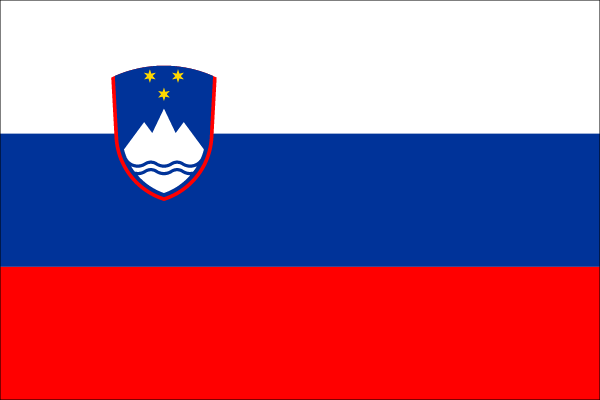
Capital: Ljubljana
Language: Slovenian
Population: 2.1 million
Religion: Christianity
Highest Point: Mt. Triglav (9,396 feet)
Primerus Member: JK Law Ltd.
JK Law Ltd. is based in Ljubljana, and specializes in immigration law, handling citizenship, deportation cases, and asylum claims.
Ljubljana is both the capital and most populous city of Slovenia. With a population of around 300,000, it manages to combine the feel of a small town with the amenities of a modern city. Ljubljana is known for its charming old town, Baroque and Art Nouveau architecture, and the meandering Ljubljanica River that divides the city.
The city is also a cultural hub, hosting numerous festivals, concerts, and exhibitions throughout the year. Its pedestrian-friendly center is filled with outdoor cafes, boutique shops, and public art, making it a delight to explore on foot or by bike.
Five Must-See Destinations